What It Means When Someone Stops Texting but Hasn't Blocked You
Someone goes quiet but leaves you unblocked. Here is what that gap can mean, how to read the pattern around it, and how to respond without overreaching.
An unblocked, silent contact is hard to interpret because it is the absence of a decision. Blocking takes a deliberate act and a small confrontation with their own feelings. Fading out takes nothing. Many people drift away from a conversation because replying feels like work, they are unsure what they want, or the thread got awkward and they would rather let it cool than face it. Plenty of people also simply forget. A message read on a commute and never answered can sit for days, then feel too late to answer, and the delay feeds itself.
What you are after matters before you type anything. If you want to know where you stand, a single clear message will tell you more than weeks of waiting. If you want them back in the conversation, you need a reason for them to re-enter that costs them very little. If you only want closure, you may not need to send anything. Be honest with yourself about which goal is yours, because each one calls for a different tone, and mixing them produces the muddled check-in that gets left on read.
Context changes the picture a lot. On Hinge or another dating platform, someone may be juggling several chats and quietly let the weakest one lapse, and your match staying visible is often just inertia. If you met in person, silence after a date reads differently than silence after a week of matching. Look at the clock too. A gap of two or three days after a slow day of replies is ordinary. A gap that follows a clear shift, such as long messages shrinking to one word, is more meaningful. A gap right after you asked to meet is meaningful in its own way.
Most of what backfires here comes from reacting to the silence instead of the situation. Messages that point at the silence, apologise for it, or ask for an explanation hand the other person a heavy emotional task, and people dodge heavy tasks. Stacking several texts in a row turns a quiet pause into pressure. Posting stories or reacting to their content as a nudge tends to look like surveillance. And a message that makes them guess your mood leaves them with nothing easy to answer, so they answer nothing.
When they do reply, read the shape more than the words. A response that picks up your thread, asks something back, or offers a plan is a real reopening. A reply that is polite, short, and closed, with no question and no follow up, is a soft goodbye even if it is friendly. A late reply with an easy explanation can be taken at face value once, but watch whether the engagement lasts past the first exchange. If they vanish again quickly, you have learned what the pattern is, and you do not need to test it a third time.
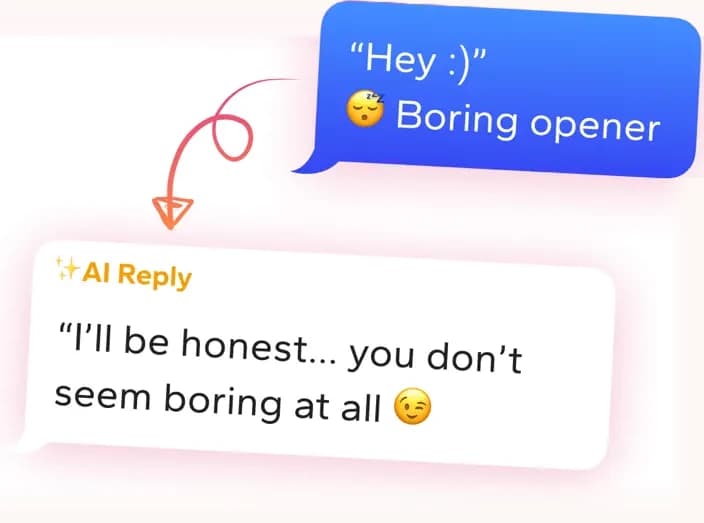
Get replies that sound like you
Screenshot the conversation in WingAI. It reads the vibe and gives you natural replies for this exact situation.
Try for freeTexting AI Screenshot the thread on your phone and get the next text.
Why these replies fail
“Hey, I noticed you've gone quiet. Did I say something wrong?”
It forces them to explain a silence they chose not to explain, and the guilt framing makes ignoring you the easier option.
“Wow, so you're just going to leave me on read but not block me? Make up your mind.”
Pointing at the unblocked status turns a loose pause into an accusation, and gives them a reason to block you.
“Hello? Are you there? Just checking again, hope everything is okay!”
A second and third nudge on top of an unanswered message reads as pressure and makes a late, easy reply feel like a trap.
Read the pattern before the silence
The few days before they went quiet tell you more than the quiet itself. If replies were fast and long, then stopped, something probably interrupted them: work, family, a bad week, or a decision to step back. If replies had already been thinning out, with shorter lines and fewer questions, the silence is more likely the end of a slow fade. Check who was carrying the conversation. If you were starting most threads, their quiet may be less a sudden change than a revealed baseline. Also look at where it stopped. A pause right after you suggested meeting up often means they are unsure about the plan, not about you.
Why leaving you unblocked costs them nothing
Not blocking is the lowest effort option available. It requires no explanation, no confrontation, and no risk of seeming harsh. Some people also keep contacts unblocked out of politeness, or because they might want the option later, or because they never think about it at all. So the missing block says very little about their feelings. It rules out strong dislike, but it does not suggest warmth. If you catch yourself building hope on that detail, notice that you are treating an absence of action as if it were a choice. It is more useful to judge them by what they do send than by what they have not done.
Make re-entry easy for them
If you decide to write after a decent gap, give them something light to respond to. A small, specific reference to something you both talked about works because it needs no emotional preamble from either side. Keep it short enough to read in one glance and leave room for a one line answer. Skip anything that requires them to account for the gap, defend themselves, or decide how they feel about you on the spot. Do not stack a second question onto the first. After you send it, put the phone away and carry on with your week, because your next move depends entirely on what comes back.
Common mistakes
- Reading the missing block as proof they are still interested, then building a plan around that one detail.
- Sending several messages in quick succession because the first one went unanswered, which turns a quiet pause into pressure.
- Using their social media activity as a signal, then writing as if you know what they are thinking.
Questions people ask
- Why would someone stop texting but not block me?
- Because blocking is a deliberate act and fading is not. They may be busy, unsure, or avoiding an awkward reply. Some people just never get around to answering. Not blocking tells you they have no strong objection to you, but it does not tell you they want to talk.
- How long should I wait before texting someone who went quiet?
- Give it at least a week if the silence came after regular texting. A shorter gap after a slow stretch can be normal, so judge by the pattern. Waiting longer lets any real busyness pass and makes your message feel relaxed instead of reactive.
- If you say no to someone on Hinge, do they come back?
- Sometimes, but do not count on it. A clear no usually ends the conversation, and a return depends on the person and whether they took the no as final. If you meant it, leave it there. If you were unsure, say so plainly instead of going quiet.
- How long before I can block someone for ignoring me?
- As soon as the silence is hurting you. You do not owe anyone a waiting period. If checking for replies is eating your attention, blocking or muting protects you, and you can always reach out again later if you choose.
What users say
“I overthink every text. Having three options and picking the one that sounds like me cut that spiral short.”
Sam R.
“I was skeptical at first. Then I tried it on a dry chat and the replies actually sounded like me, not a chatbot.”
Mazoonx
“She went cold mid-week and I had no idea what to say. The reply I sent felt natural and she picked the chat back up.”
Marcus T.
“Used it for a couple hours and set up a date the same night. Not even kidding.”
Nikola2214
Get replies that sound like you
Screenshot the conversation in WingAI. It reads the vibe and gives you natural replies for this exact situation.
Try for free