What it means when he withholds affection and how to respond
When he pulls back emotionally or physically, decode what's really happening and know whether to address it directly or give space.
Affection withdrawal is a signal, but it can mean different things depending on context. He might be stressed about work, losing interest, testing how you'll react, or processing conflict. Sometimes he's dealing with his own stuff and it has nothing to do with you. The pattern matters more than a single day.
A good reply either gives him a low-pressure way to return to normal connection, or it addresses the pattern directly if it's becoming a pattern. You're not trying to convince him to feel something. You're either removing barriers to closeness or naming what you're noticing so he can explain.
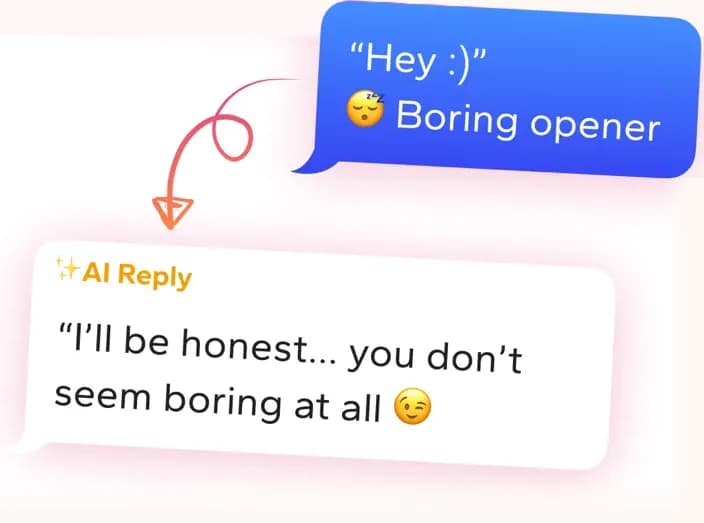
Get replies that sound like you
Screenshot the conversation in WingAI. It reads the vibe and gives you natural replies for this exact situation.
Try for freeHow long it's been matters more than how cold one message is
One short text or a quiet evening doesn't mean affection withdrawal. A pattern over three days or longer does. If he's been cold for a week straight, that's a shift. If he went quiet after a specific conversation or event, that's information too. Track whether this is new behavior or how he always is when stressed. A guy who goes quiet for two days during work crunch is different from a guy who suddenly stopped calling you 'babe' after you talked about the future. The timeline tells you whether this is temporary or intentional.
The reply needs to either lower the stakes or name the pattern
If it's early days in a pattern, a low-stakes reply that opens the door to normal connection works better than addressing it head on. Send something light that references something real between you, without commenting on his mood. This removes the pressure he might feel to perform affection.
If the pattern is clear and ongoing, naming it calmly is better than staying silent. Don't accuse. Say what you've noticed and ask if something's going on. This gives him a chance to explain instead of just pulling away more. The goal is information, not a fight.
Wait for consistency before you conclude anything
Don't reply immediately to coldness. Let a day pass if you can. If he warms back up on his own, you have your answer. If he stays cold, then you know it's a real shift. Sending a reply when you're upset will sound like you're upset, which makes him defensive.
If you do reach out and he doesn't engage, don't follow up for at least a week. One unanswered attempt to reconnect doesn't mean he's done. Multiple ignored messages do. Stop at two. After that, he's showing you his choice, and you're just adding to the pile.
Why these replies fail
“Everything okay? You seem really distant lately and it's making me feel bad”
This makes it about your hurt feelings, which puts him in charge of managing your emotions. So he pulls back more to avoid the responsibility.
“I don't appreciate being ignored. If you don't want to text me, just say so”
This accuses him before you know what's happening and forces him to either defend himself or ghost to avoid the confrontation.
“Hey! How was your day? Miss you tons and can't wait to see you :) :)”
Overcompensating with enthusiasm and emojis when he's withdrawn comes across as desperate and makes the distance feel bigger, not smaller.
Common mistakes
- Matching his coldness by withdrawing first, which confirms something is broken
- Asking 'Are you mad at me?' which puts him on the defensive and makes him pull back more
- Texting paragraphs explaining yourself or why he should want to be closer
- Ignoring it completely and pretending nothing changed, so the distance just widens
- Accusing him of 'playing games' before you know if something real is going on
Questions people ask
- Could he be losing interest if he's withheld affection for a week?
- Maybe, but not definitely. A week of distance could mean stress, burnout, a real issue between you, or him dealing with something personal. You won't know until you get information. Don't assume the worst interpretation. Ask directly in a calm way and listen to his answer.
- Should I give him space or reach out?
- If it's been less than three days, give space. If it's a clear pattern over a week or more and you haven't brought it up, reach out. When you do, keep it simple and low-pressure. 'Hey, I noticed things feel off between us. Everything good?' works. Then actually listen instead of defending yourself.
- What if he says nothing's wrong when clearly something is?
- He might not be ready to talk, or he might not realize he's pulling back. Don't push. Say something like, 'Okay, just want you to know I'm here if you want to talk about it.' Then drop it. Pushing harder will just make him withdraw more. Let him come to you.
- Is affection withdrawal ever a test to see if I'll chase him?
- Sometimes, yes. Some guys do pull back to see if you'll reassure them or prove you care. But you can't change that pattern by chasing him. If that's what's happening, a calm, unbothered response works better than pursuing him. You're not managing his insecurity.
What people say after using WingAI
“I overthink every text. Having three options and picking the one that sounds like me cut that spiral short.”
Sam R.
“I was skeptical at first. Then I tried it on a dry chat and the replies actually sounded like me, not a chatbot.”
Mazoonx
“My openers used to be boring. Now I reference something from her profile and people actually write back.”
Aiden K.
Get replies that sound like you
Screenshot the conversation in WingAI. It reads the vibe and gives you natural replies for this exact situation.
Try for free