What it means when he suddenly texts a lot after ghosting
He disappeared, now he's attentive. Learn what this pattern signals and how to respond without rewarding the behavior.
When someone ghosts then resurfaces acting engaged, it usually signals one of a few things. He was juggling other people and one option fell through. Something reminded him of you and he felt low-friction reaching out. Or he's testing whether you're still available. The sudden attentiveness isn't a sign he's changed his mind about you. It's a sign he's changed his situation.
Your reply here sets the tone for what happens next. You're not just responding to a message. You're deciding whether to reopen a door that he chose to close. A good reply protects you from false momentum while staying open if this time is actually different.
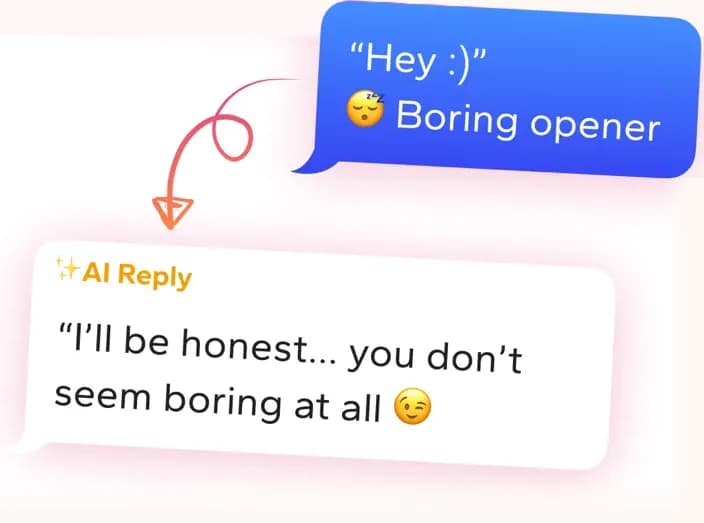
Get replies that sound like you
Screenshot the conversation in WingAI. It reads the vibe and gives you natural replies for this exact situation.
Try for freeRizz AI Screenshot the chat and get the next message for this person.
The ghosting part is the real message
Ghosting isn't an accident or a communication failure. It's a choice. When someone goes silent for weeks or months, they're telling you they don't prioritize you enough to send a text. That information doesn't change just because he texted you today.
The sudden attentiveness is likely driven by something external. A girl he was seeing didn't work out. He's bored. He had a few drinks. His schedule cleared up. None of this means he's changed how he values you. It means his available bandwidth shifted. Once it shifts again, so will his texts.
Stay measured while staying in the door
Your reply should do two things at once. Acknowledge the time gap without making it weird, and show you're interested but not desperate. You want to sound like someone who has a life and didn't spend weeks waiting for this text. Not cold, just present.
The second move is subtly raising the bar. Don't reward the ghosting by acting like nothing happened. A light, brief acknowledgment of the disappearance shows you noticed and aren't a soft landing. This also signals that you're not someone who accepts being deprioritized.
Send during the day and wait for him to drive
Reply within a few hours if you want to reply, but not immediately. Immediate replies suggest you were watching your phone for his message. Send during daytime hours when you're actually living your life.
After you reply, let him text next. If he's actually interested in catching up, he'll keep the thread moving. If your message sits unanswered for more than a day, that's your answer about how much he actually cares. Don't double-text. If he comes back with a vague "let's hang soon" with no actual plan, you can push for specifics once. If he flakes on a concrete plan, stop initiating and see if he reappears.
Why these replies fail
“OMG hi! I missed you so much! Yes I'm free, what did you want to do?”
You sound relieved and eager, which removes any social friction he might feel about disappearing and makes him feel forgiven without earning it.
“Where have you been? We haven't talked in like 2 months. What's going on?”
This opens the door for him to give you an explanation or excuse that softens the ghosting, and it puts you in the position of the person who was wronged asking for answers.
“Cool, I'm around but only if we actually make real plans this time.”
Too pointed and defensive. This reads like you're holding a grudge, which makes this feel like drama instead of a casual reconnect.
Common mistakes
- Acting relieved or excited, which makes him feel forgiven and removes any reason to treat you better next time
- Asking where he's been or why he disappeared, which gives him the chance to explain and reframe the ghosting
- Over-matching his energy and texting back quickly, signaling you were waiting for him
- Jumping straight into plans without addressing the gap, which normalizes the disrespect
- Being cold or hostile, which turns this into drama and actually makes the story more interesting to him
Questions people ask
- Does his sudden attentiveness mean he realized he made a mistake?
- Rarely. It usually means his circumstances changed, not his feelings about you. He might regret the ghosting now that he's bored or lonely, but that's different from actually valuing you more. Watch what he does over the next few weeks, not what he says in the first message.
- Should I call out the ghosting directly?
- No. Calling it out gives him a chance to apologize and explain, which can feel like closure even if nothing actually changes. It also flips you into the role of the person pursuing an explanation. Stay light and let your actions show you noticed.
- What if he actually does want to fix things?
- Actions will prove it over time, not words in a reunion text. If he's serious, he'll follow through on plans, stay consistent, and show up differently. Give him room to prove it, but don't lower your expectations based on one attentive message after weeks of silence.
- How long should I wait before deciding he's just cycling back?
- Two to three weeks of consistent contact and follow-through on plans. If his attentiveness drops off again or he ghosts a second time, that's your pattern. One good week doesn't erase months of unreliability.
What people say after using WingAI
“I was skeptical at first. Then I tried it on a dry chat and the replies actually sounded like me, not a chatbot.”
Mazoonx
“She went cold mid-week and I had no idea what to say. The reply I sent felt natural and she picked the chat back up.”
Marcus T.
“I overthink every text. Having three options and picking the one that sounds like me cut that spiral short.”
Sam R.
Get replies that sound like you
Screenshot the conversation in WingAI. It reads the vibe and gives you natural replies for this exact situation.
Try for free