What it means when he introduces you as just a friend
He introduced you as a friend instead of by your name or with romantic language. Here's what that signals and how to respond.
When someone introduces you as 'just a friend' or 'my friend' in a situation where romance seemed to be developing, it's a deliberate choice. He's either unsure about where things are going, cooling off, or testing your reaction. The phrasing matters because a neutral introduction gives him an out.
Your reply does two things at once. It signals whether you accept that label or whether you're expecting something different. And it shows whether you're going to sit with discomfort or address it directly. A good response doesn't pretend nothing happened, but it also doesn't explode the situation.
What you say next determines if this becomes a real conversation about where you both stand, or if you both just drift into the friend zone without ever saying it out loud.
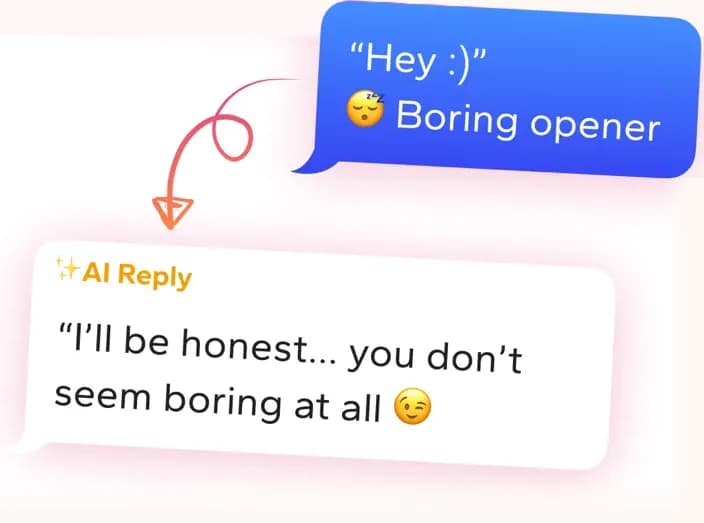
Get replies that sound like you
Screenshot the conversation in WingAI. It reads the vibe and gives you natural replies for this exact situation.
Try for freeRizz AI Screenshot the chat and get the next message for this person.
The introduction was a test, not a slip
He didn't accidentally call you his friend. He chose that word in front of someone, which means he was thinking about how to frame you. This usually happens when a guy is unsure whether to move forward or pull back, and he's testing your reaction to see if you'll demand clarity or just accept whatever he gives you.
Sometimes it's a sign he's losing interest. Sometimes it's a sign he's scared and needs you to make the first move. The introduction alone doesn't tell you which one. What matters is what happens in the next 24 hours. If he follows up with warmth and apologizes for the awkward framing, it was fear. If he goes quiet or acts different around you, it was cooling off.
Acknowledge it and create space for honesty
A good reply doesn't let this slide. It names what happened in a way that feels casual, not accusatory, so he doesn't immediately get defensive. Your message should signal that you noticed and that you're open to hearing what's actually going on.
The second move is to make it easier for him to tell you the truth than to keep dodging. If you sound hurt or angry, he'll either double down on the friend story or disappear. If you sound curious about his intentions, he has room to be honest about whether he's confused, scared, or actually checking out.
Wait for his reply before deciding anything
Send your message and then sit with the discomfort for 24 to 48 hours. Don't follow up. Don't triple text. Don't analyze his read receipts. This is the part where he gets to show you whether he cares enough to explain himself.
If he replies thoughtfully or with an apology and clarification, you have information and can decide what to do next. If he replies with excuses or vagueness, that's also information. If he doesn't reply at all, that's the loudest message of all. Once you get his response, you'll know whether this is something to work through or something to step away from.
Why these replies fail
“lol did you really just introduce me as your friend”
The lol makes it sound like you're okay with it, so he won't feel pushed to explain, and the accusatory tone makes him defensive instead of honest.
“That's cool, we can just be friends then”
This removes the pressure on him to clarify by accepting his framing immediately, which locks you into friendship territory without ever having a real conversation about it.
“I'm confused about what we are. Can we talk?”
This is too broad and puts him on the spot without referencing the specific thing he did, so he can deflect about 'not being sure' instead of explaining the introduction.
Common mistakes
- Pretending it didn't happen and carrying on as if you're dating, which locks you both into uncertainty
- Getting angry or sarcastic in your reply, which makes him defensive instead of honest
- Immediately saying 'okay, friends then' to seem cool, which removes any pressure for him to clarify
- Asking 'why would you say that' over text, which feels accusatory and gets defensive answers
- Staying silent and waiting for him to fix it, which just extends the ambiguity
Questions people ask
- Does introducing me as a friend mean he doesn't like me romantically?
- Not necessarily. It could mean he's scared, unsure, testing you, or actually cooling off. The introduction alone doesn't prove anything. What matters is his behavior over the next few days and whether he's willing to clarify what he meant.
- Should I wait for him to bring it up or say something first?
- You should bring it up. Waiting gives him the option to pretend it never happened, which just extends the confusion. A light acknowledgment opens the door for him to explain without making it weird.
- What if he says he was just being casual and didn't mean anything by it?
- If he says that after you point it out, ask him what he does mean by it. That's the real question. If he can't give you an answer beyond 'I don't know,' that's information too. You'll know where you stand.
- Is it bad if I sound upset about the introduction?
- Sounding upset makes him go defensive. Sounding casual and curious makes him actually answer. You can be honest about feeling confused without loading your message with anger. Save the upset conversation for voice or in person if you need to have it.
What people say after using WingAI
“I overthink every text. Having three options and picking the one that sounds like me cut that spiral short.”
Sam R.
“I was skeptical at first. Then I tried it on a dry chat and the replies actually sounded like me, not a chatbot.”
Mazoonx
“She went cold mid-week and I had no idea what to say. The reply I sent felt natural and she picked the chat back up.”
Marcus T.
Get replies that sound like you
Screenshot the conversation in WingAI. It reads the vibe and gives you natural replies for this exact situation.
Try for free