How to respond when a girl tells you her problems
Someone shares a hard thing with you and you want to answer well. Here is the tone, content, and timing that make the reply land, with no scripts.
When a friend, a date, or someone you are getting to know tells you what is going wrong in their life, they are usually carrying two questions at once: do you understand, and will you treat this carefully. The message you receive may be short and casual, but telling you took some nerve. They have weighed how it might sound, whether you would find it heavy, and whether you would use it later. Your reply gets read through that worry.
Your job in the reply is narrow. Show that you took in what they said, name the feeling underneath it, and leave room for them to say more. You are not there to repair their boss, their landlord, or their family. Most people who describe a rough week are processing, and an offered fix can feel like being handed a to-do list when what they wanted was company. If they want advice, they will usually say so, or they will ask a question that makes it obvious.
Texting changes the stakes in small ways. There is no face to soften your words, so a flat reply can read as colder than you meant. Short messages tend to land well, but too short can look like you skimmed. Aim for a few sentences that point to a specific detail, such as the argument with a coworker or the flight that got cancelled, rather than a general sympathy line that could be pasted under anyone's post. Timing matters too. A reply the same day feels attentive. A reply that arrives days later needs a brief, honest acknowledgment of the delay, without a long apology that makes the moment about you.
Plenty of replies backfire for predictable reasons. Jokes aimed at the problem tend to sting, even when you mean them kindly, because humor requires the other person to feel safe enough to laugh. Flirting at the moment someone is hurting reads as opportunism. Comparing their situation to something you went through pulls the spotlight away, and so does a motivational speech about silver linings. Pushing for a plan, or an invitation to meet before they have said how they feel, can come across as impatience with their emotions.
Watch what comes back. If they write more, share details, or thank you, the door is open and you can follow their lead with another question or a plain statement that you are glad they told you. If they answer briefly or change the subject, they may have said what they needed to say, and following along is the respectful move. Do not circle back to it repeatedly. If the topic returns on its own later, that is your chance to show you remembered, and that memory often matters more than anything you said the first time.
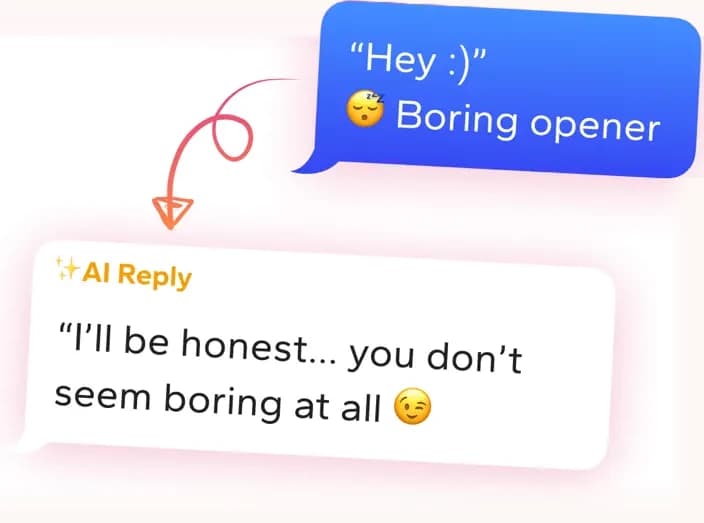
Get replies that sound like you
Screenshot the conversation in WingAI. It reads the vibe and gives you natural replies for this exact situation.
Try for freePick one detail to reflect back
A reply feels attentive when it contains something only a listener would know. Scan their message for the concrete piece, the meeting that went badly, the sibling who keeps cancelling, the exam they have been dreading since Monday. Mention that piece in your own words, then add a brief acknowledgment of how it probably feels, such as frustrating, exhausting, or lonely. Keep your guess modest. Naming an emotion too confidently can feel like being told how you feel. If you are unsure, say what it sounds like to you and let them correct you. A small correction from them is a good sign, because it means they are still talking.
Ask a question that opens things up
The best follow-up invites more story rather than more data. Questions that start with what happened next, how they are holding up, or what the hardest part has been give them room to keep going at their own depth. Avoid questions that sound like intake forms, such as asking for dates, names, or who is at fault. Those pull the conversation toward solving. Ask one question, not three. A stack of questions turns their confidence into homework. If they have already said plenty, you can skip the question entirely and simply say you are listening and there is no rush.
Read the reply you get back
After you respond, their next message tells you what they wanted. Long, detailed replies mean they are still venting, so keep acknowledging and asking small questions. A direct request such as asking what you would do means advice is welcome, though checking what kind of input helps is still wise. A quick thanks followed by a lighter topic means they have said enough for now, and meeting them there is kind. Silence for a day or two is not a rejection of what you said. People often feel exposed after sharing and need space. A warm, low pressure message later about something ordinary shows you are still around.
Why these replies fail
“That sucks. You should just quit and find something better, honestly.”
It treats a painful situation as an easy decision and hands down a verdict, which tells them their complicated circumstances were not really heard.
“Haha classic. Anyway, want to get drinks this weekend to cheer you up?”
It laughs at something they felt vulnerable sharing and then jumps straight to a plan, so the date reads as the real goal of the reply.
“I totally get it, my family is a nightmare too, let me tell you what happened at Christmas.”
It moves the attention to your story before theirs has been acknowledged, so the conversation ends up about you.
Common mistakes
- Answering with a joke about their problem, which can leave them feeling laughed at right after they took a risk by telling you.
- Moving quickly to a solution or a plan before they have said how they feel, which makes them feel managed instead of heard.
- Using their vulnerable moment as an opening to flirt or to steer toward a date, which makes the sharing feel transactional.
Questions people ask
- Should I give advice or just listen?
- Listen first and offer advice only if they ask for it. Many people sharing a problem want to feel understood before anything else. If you are unsure, ask what would help most, whether that is ideas, a sounding board, or a distraction. Their answer saves you from guessing wrong.
- What if I can't think of what to say?
- Say something short and honest about what you did hear, then ask a gentle question about how they are doing with it. You do not need clever wording. A plain acknowledgment that the situation sounds hard, tied to one detail they mentioned, beats a polished line that could apply to anyone.
- Is it bad if I take a day to reply?
- Not necessarily, but a quick reply usually feels better to someone who just opened up. If life got in the way, reply anyway and briefly mention you wanted to give it proper attention. Skip the long apology. Staying silent for days is the version that tends to hurt.
- What if they keep venting and I feel drained?
- It is fine to have limits. You can stay kind while saying you want to be useful but are running low tonight, and suggest picking it up later or doing something lighter together. If it becomes constant, gently mention that a friend, counselor, or other support might help alongside you.
What users say
“I was skeptical at first. Then I tried it on a dry chat and the replies actually sounded like me, not a chatbot.”
Mazoonx
“I overthink every text. Having three options and picking the one that sounds like me cut that spiral short.”
Sam R.
“Used it for a couple hours and set up a date the same night. Not even kidding.”
Nikola2214
“She went cold mid-week and I had no idea what to say. The reply I sent felt natural and she picked the chat back up.”
Marcus T.
Get replies that sound like you
Screenshot the conversation in WingAI. It reads the vibe and gives you natural replies for this exact situation.
Try for free