How to respond when she needs space for family issues
She said she's dealing with family stuff and needs space. Here is the tone to take, what to include and avoid, and how to read what she sends back.
When she tells you family stuff is happening and she needs room, she is usually triaging her own energy. A parent's illness, a divorce in the house, a sibling in crisis: any of these can eat every spare hour and leave her with nothing for banter or planning. Her message is often a small act of honesty, not a verdict on you. She may also feel guilty for going quiet, and a reply that asks nothing of her removes that worry.
Your goal is narrow. You want her to read your message and feel relieved, not managed. That means acknowledging what she said in plain words, accepting the request without a negotiation, and leaving a faint trail back to you that she can pick up on her own schedule. You are not trying to win points, prove devotion, or secure a promise about where things stand.
Timing and channel matter here. If she sent this by text, answer within a few hours rather than instantly or the next day. A fast, calm reply reads as steady. A reply that lands the following afternoon can read as sulking. Keep the message short enough to fit on one screen without scrolling. Skip voice notes and calls, because they demand her attention in real time, which is the thing she just said she can't give.
What tends to backfire is anything that converts her boundary into your project. Offering to be her rock sounds kind, but it hands her a new obligation to thank you or turn you down. Asking what happened pulls her into explaining something painful. Sounding wounded makes her comfort you. Going curt and cold teaches her that honesty about her limits costs her something. Even a long, warm message can feel heavy, because she has to read it, weigh it, and decide whether to answer.
Her response tells you plenty. If she thanks you and says she'll be in touch, take her at her word and stay quiet. If she sends a small, warm follow-up days later, match its size and don't inflate it. If she says nothing at all, that is not an insult. Grief, caregiving, and conflict at home run on their own calendar, and silence can simply mean she has nothing left to give.
What goes inside the message
Name what she told you in your own words so she knows it landed, and say you are fine giving her room. Add a brief, warm note that you are thinking of her, and nothing that needs an answer. If there is a natural callback, like a plan you two had or a joke from earlier, a very light mention can show you are still the same person. Keep it to a clause, not a paragraph. Leave out questions entirely, including polite ones like how she's holding up. The tone should sound like someone steady who has no agenda, not someone performing patience.
Three angles you can take
One angle is a plain acknowledgment: you heard her, you respect it, no reply needed. Another is a gentle callback, where you mention something small from your recent conversations that has nothing to do with the family situation, so the message feels like you rather than a script. A third is an honest, unfussy note that you will be around when she is ready, without over-apologizing for anything or promising to wait forever. Pick the one that fits how you two normally talk. If you usually joke, keep a trace of warmth, but drop the teasing for now.
Phrases that backfire with family stress
Avoid anything that implies her family trouble is a problem you can fix or that you are owed updates. Lines about being there anytime, wanting to help, or needing to know she's okay all create a debt. Avoid guessing at details, like assuming it is about a parent or a breakup at home, because you might be wrong and it will sting. Skip sarcasm and any hint that you feel dismissed. Also skip long paragraphs about your feelings for her. She has no room to receive that right now, and it can read as pressure dressed up as sympathy.
What not to send
“I'm always here if you need to talk. Seriously, call me anytime. I care about you and want to help.”
It turns her family crisis into a chance for you to prove loyalty and leaves her feeling obliged to respond or reassure you.
“cool, i'll leave you alone then”
It sounds irritated that she was honest about her limits, which makes her family stress feel like something she has to apologize for.
“Hey just checking in. How are you holding up? Anything I can do? Let me know if you want to talk about it.”
It ignores the exact thing she asked for and stacks three questions onto someone with no spare energy to answer them.
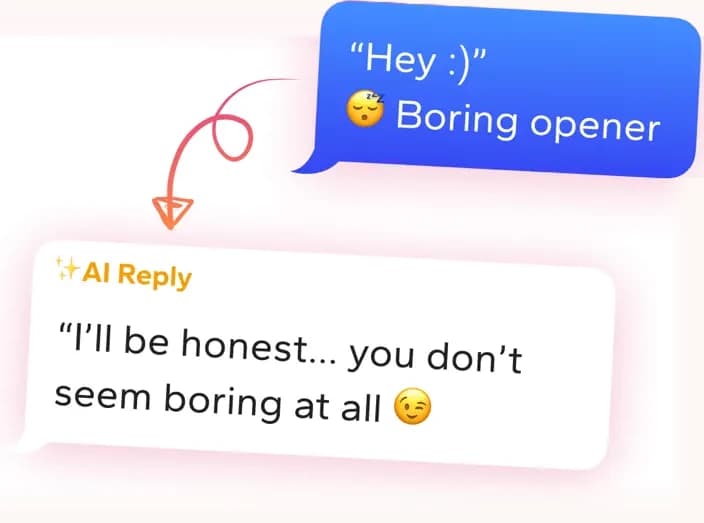
Get replies that sound like you
Screenshot the conversation in WingAI. It reads the vibe and gives you natural replies for this exact situation.
Try for freeFrequently asked
- Should I text her a few days later to see how she's doing?
- No. She asked for space, and a check in after a few days tells her the request was not heard. Family situations rarely settle in that time. Let your first reply stand and give her room to come back to you.
- What if she never reaches out again?
- Then the connection may have faded, and that is okay. Family crises can reshuffle someone's priorities for a long time. Your reply did what it could by being kind and undemanding, so you can move on without regret or a sense that you handled it badly.
- Is it wrong to say I'm here for her?
- It is fine as a passing phrase, but a poor main message. Leaning on it makes her comfort your responsibility and invites her to answer. A short acknowledgment that respects her request works better, with warmth mentioned lightly and no expectation attached.
- How long should I wait before texting her again?
- Let her text first if you can. If two or three weeks pass in silence, one low pressure message that needs no reply is reasonable. If that also goes unanswered, take it as your answer, stop initiating, and put your attention elsewhere.
Real user feedback
“I overthink every text. Having three options and picking the one that sounds like me cut that spiral short.”
Sam R.
“I was skeptical at first. Then I tried it on a dry chat and the replies actually sounded like me, not a chatbot.”
Mazoonx
“I always freeze on the first sentence. This gets me past that blank box so I actually hit send.”
joejoe4567
Mistakes to avoid
- Sending a long, emotional reply that makes her read and answer something heavy while she is already stretched thin by what is happening at home.
- Asking what the family situation is about, which pulls her into explaining something painful when she only wanted room.
- Treating her silence in the first week or two as a rejection and sending a follow up to ask whether things are still okay between you.
Get replies that sound like you
Screenshot the conversation in WingAI. It reads the vibe and gives you natural replies for this exact situation.
Try for free