Read between the lines: does she actually want date two
Not sure if her thank you text means interest or good manners? Learn how detail, timing, and openings separate a polite goodbye from a real yes to date two.
After a first date, a thank you text lands in an odd spot. Most people send one out of habit, because a night spent with a stranger deserves some acknowledgment, even if they already know they won't repeat it. So the message itself carries less information than you want it to. What matters is what she chose to include, how fast it arrived, and whether it points forward or simply closes the evening.
Your real goal here is not to decode her feelings through a screen. You can't. The goal is to give her something easy to accept or decline, so her behavior answers the question her words leave open. People who liked the date usually have no trouble stepping into a concrete plan. People who were lukewarm tend to stay agreeable and vague, because vagueness costs them nothing. Your job is to remove the cover vagueness provides.
Timing changes how much to trust any of this. A message sent that same night, while the restaurant or bar is still fresh in her memory, tends to reflect a reaction she hasn't had time to edit. A message the next afternoon is more likely a considered courtesy. Something that trickles in three days later reads as an obligation being cleared off a list. None of these is proof, but together with the wording they give you a rough picture, and you should weigh them loosely rather than treating any one as a verdict.
The most common way this goes wrong is over-investing in the reply. Men and women alike, after a date that went well, tend to send long, eager messages that bury the one thing that would move things forward. The opposite error is just as costly: a clipped, offhand response meant to look relaxed, which reads as disinterest and gives her no reason to continue. Both fail because they aren't built around a real proposal. A friendly acknowledgment followed by one specific idea beats a paragraph of enthusiasm every time.
When her answer arrives, read the shape of it instead of the warmth. A yes, a counteroffer with a day attached, or a clear no all tell you where you stand. A reply that thanks you for the idea but offers no alternative, or a promise to check her calendar that never comes back around, tells you something too. Warm but empty is still empty. If you sent something concrete and got nothing concrete in return, believe that. Treating a soft dodge as an open question mostly gives you a few more days of hoping, and the waiting is rarely rewarded.
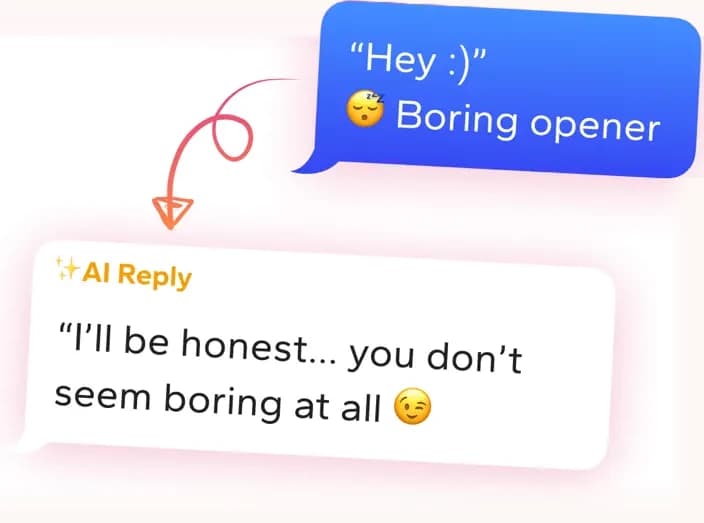
Get replies that sound like you
Screenshot the conversation in WingAI. It reads the vibe and gives you natural replies for this exact situation.
Try for freeDetails she picked on purpose
Look at what she chose to mention. Praise like "you're great" or "good company" fits any date with anyone, so it costs her nothing. A detail is different. If she brings up the argument you had about the best late night food, the name of the street where you walked, or the joke the waiter overheard, she was paying attention and replaying the evening afterward. That kind of recall usually comes from someone who wants more of it. Also notice whether she asks you anything. A question hands you the next turn of the conversation, and that is a far better sign than a tidy compliment that ends the thread.
Shape your reply around one idea
Pick a single plan you would enjoy and attach it to something from the first date. If you talked about wanting to try a ramen place, name it and offer a day. Keep the tone easy and the message short. A reply like this works because it's hard to answer politely without answering honestly. She can say yes, suggest a different time, or decline, and every one of those gives you information. Avoid stacking options or asking her to choose the venue, which hands her homework. One clear suggestion with a little flexibility built in is plenty to work with.
Reading a dodge after your invite
Once you've made a specific offer, the response tells you more than the thank you ever did. A real yes comes quickly and often with a small addition, like a preferred time or a question about the place. A busy week paired with a firm alternative is also good news. What deserves attention is the pattern of warm words with no date attached: she calls the idea fun, says things are hectic, and never names a day. One of those is life. A repeated version is an answer. If two days pass without any reply to a clear invitation, let it rest rather than chasing, because pressing on a quiet no tends to damage the good impression you left.
Why these don't work
“Last night was incredible, I can't stop thinking about you. When can I see you again?”
Her thank you was probably a courtesy, and an intense reply to a polite message makes her feel she has to manage your expectations instead of simply answering.
“Yeah, it was fine. Take care.”
She opened with warmth, and a flat sign off shuts the conversation, so even if she did want date two she now has no way back in.
“So glad you had fun! Let me know if you ever want to grab drinks again, no pressure at all.”
Pushing all the planning onto her and attaching no idea means a lukewarm person can reply with a smiley face and never reveal where she stands.
Pitfalls to avoid
- Counting the number of exclamation points or emojis in her thank you as proof of interest, when polite people use them freely and keen people sometimes text plainly.
- Replying with a long, emotional paragraph that buries the actual invitation, so she has nothing simple to say yes or no to.
- Following up a second time after a specific invitation went unanswered, which turns a quiet no into an awkward one.
People also ask
- How can I tell if her thank you text means she wants a second date?
- Check for a specific detail from the night, a fast send time, and any question or opening about next time. A generic compliment sent a day later with no forward pointing line is usually just manners. Confirm by suggesting something concrete and watching how she responds.
- Does a quick reply mean more than a slow one after a first date?
- Somewhat, but not by itself. Speed can reflect enthusiasm, yet plenty of interested people are slow texters. Weigh it alongside what she wrote. A prompt, detailed message with a question is encouraging, while a late, short one deserves less weight. Your specific invitation will clarify more than the timing.
- Should I answer a thank you text right away?
- Reply the same day or within a few hours if you can, since that matches the energy of a fresh message. Keep it warm and short, then include one concrete idea if the date went well. Answering a day late rarely ruins things, but it hands her a reason to cool down.
- What if she says she had fun but never suggests another meeting?
- That's common and doesn't settle anything. Some people leave planning to the other person out of habit. If you want to see her, send one specific proposal and let her answer. If she responds warmly with a day, great. If she stays vague, take the hint.
It doesn't sound like a bot
“She went cold mid-week and I had no idea what to say. The reply I sent felt natural and she picked the chat back up.”
Marcus T.
“I overthink every text. Having three options and picking the one that sounds like me cut that spiral short.”
Sam R.
“I was skeptical at first. Then I tried it on a dry chat and the replies actually sounded like me, not a chatbot.”
Mazoonx
Get replies that sound like you
Screenshot the conversation in WingAI. It reads the vibe and gives you natural replies for this exact situation.
Try for free