How to Ask Her Out When She Says She's Busy With Her Kids This Week
She's slammed with her kids' schedule this week. Here's how to read it, ask her out without pressure, and follow up without chasing.
When someone says she's busy with her kids' schedule this week, she's usually telling you two things. The first is literal: this week is packed and she can't commit to anything. The second is quieter: she's still interested enough to answer you, but she's not ready to plan around you yet. Most people hear only the first part and either sulk or push harder, and both reactions make the next step harder.
What a good reply does is accept the week as it is and move the conversation somewhere lower-stakes. You're not asking her to fit you in. You're letting her know you'd like to see her, and making it easy for her to say yes later without rearranging her life now. That means naming a loose window, not a specific night, and keeping the ask small enough that a yes doesn't require logistics.
The risk is treating her busy week as a rejection, or as an opening to negotiate. If you respond with a list of alternatives, or ask whether she'll find time anyway, you turn a scheduling fact into a test of her interest. Keep the message warm, brief, and easy to answer.
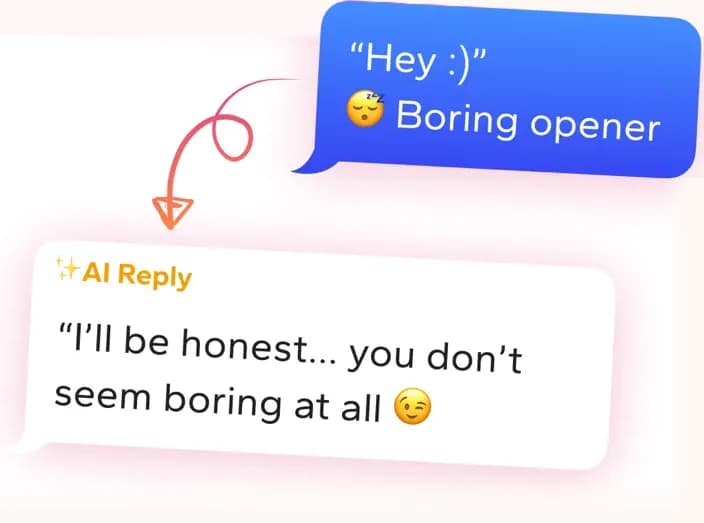
Get replies that sound like you
Screenshot the conversation in WingAI. It reads the vibe and gives you natural replies for this exact situation.
Try for freeRizz AI Screenshot the chat and get the next message for this person.
The busy week is information, not a verdict
When she says her kids' schedule is packed, take that at face value first. Parents with school pickups, practices, and appointments often can't plan evenings more than a day ahead, and saying so is her way of being honest. Notice whether she offered anything after the busy part, like a suggested time for next week or a question back to you. A person who's interested but overloaded usually leaves a door open, even if it's small. A bare "can't this week" with nothing else is closer to a polite pause, and you should match its size.
Look at what she did not say. She didn't say she isn't interested, she didn't cancel an existing plan, and she didn't go vague about the future. Those are the things that would signal a real no. Her message is about logistics, so your reply should stay in the logistics lane and avoid reading her mood into it. Keeping that distinction clear will stop you from overthinking every word of her next reply.
Name a window, then get out of the way
Good replies to a busy-week message do three things. They acknowledge the week in one line without overdoing sympathy. They express that you'd still like to see her, stated plainly and without drama. And they offer a loose window, like "sometime next week" or "after the weekend," rather than a specific time she has to check her calendar for. Naming a window also tells her you're not waiting on her to fit you into a slot that doesn't exist yet.
Keep the ask small. Something that could be a coffee, a short walk, or a drink with a clear end point is easier to say yes to than an evening that needs a sitter. If you want to mention a place, pick one she'd recognize, since that gives her something concrete without making her plan it. Then stop. Don't add a second question, don't ask whether next week works "or the week after," and don't add a line that explains how flexible you are. The message should leave her room to answer whenever she has the space.
Reply in daylight, follow up once, then let it sit
Send your message during a normal part of her day, not late at night when she's likely exhausted and not in the mood to make decisions. If she replied in the evening, a morning or early afternoon message usually lands better. Don't send it in the middle of a school run or during a stretch where she's clearly flat out. Timing matters less than avoiding the moment she's most likely to feel pressured.
If she doesn't answer the ask, wait at least two or three days before following up, and make the follow-up lighter than the original. A quick message about something unrelated, or a short note that you're still around for next week, works better than repeating the ask. If she still doesn't engage after one follow-up, stop pushing. Silence after a busy-week message is often just a sign she's out of bandwidth, but two unanswered attempts with no sign of interest is your cue to step back. You can always reopen the conversation later if she brings it up herself.
Why these replies fail
“No worries! What about Tuesday or Thursday night instead, or we could do lunch on Saturday if that's easier?”
It asks her to rearrange a week she already said is full by offering three new slots to check.
“Totally get it, but I'd really like to see you, so can you find an hour somewhere this week? It doesn't have to be long.”
It turns her stated limit into a request she has to solve, which puts pressure on her to justify saying no.
“Ok I'll just assume you're not interested then. Let me know when you're free.”
It reads her scheduling constraint as a verdict and adds guilt, which makes any reply feel like a defense.
Common mistakes
- Reading the busy week as a no and going quiet for days without saying anything
- Proposing three specific times for this week, which asks her to do scheduling work she already said she can't do
- Asking whether she'll make time anyway, which puts her on the spot about her priorities
- Sending a long message explaining why you want to meet, which feels like pressure on someone who's stretched thin
- Following up two or three times in a row before she's had a chance to reply
Questions people ask
- Should I ask her out for next week right away or wait?
- You can ask now, as long as the ask names a loose window like next week or after the weekend and not a specific slot. Asking now shows interest without making her plan anything this week. Keep it brief, offer one low-effort option like coffee, and leave the exact day to her. If she's still swamped and doesn't reply, that's a reason to wait a few days, not to escalate.
- What if she says this week is busy but suggests a time later?
- Take the later time and confirm it in one short message. Don't ask whether the time still works for her, and don't add new options. Something like confirming the day and place is enough. If she offered a time, she's telling you she wants to see you, so accept it warmly and keep the rest of the plan simple.
- How long should I wait before following up if she doesn't reply?
- Two to three days is a reasonable gap for a busy parent, since she may have missed the message in a rush. Your follow-up should be lighter than the original, like a casual note about something else or a quick line that you're still around for next week. Don't repeat the ask in the same words, and don't send a second follow-up unless she's replied to something else in the meantime.
- Is it a bad sign if she says her kids are her priority right now?
- Not by itself. Saying her kids come first is a normal and honest thing for a parent to say, and it tells you about her life rather than about you. What matters is whether she's still willing to talk and make small plans when she has room. If she stays warm and open to future plans, that's a good sign. If she stops engaging entirely, back off and let her decide when to pick it up again.
What people say after using WingAI
“I was skeptical at first. Then I tried it on a dry chat and the replies actually sounded like me, not a chatbot.”
Mazoonx
“Used it for a couple hours and set up a date the same night. Not even kidding.”
Nikola2214
“I overthink every text. Having three options and picking the one that sounds like me cut that spiral short.”
Sam R.
Get replies that sound like you
Screenshot the conversation in WingAI. It reads the vibe and gives you natural replies for this exact situation.
Try for free