How to politely end things after weeks of texting
Ending a weeks-long text thread without ghosting or a long speech. How timing, platform, and wording shape how the other person takes it.
A few weeks of steady texting builds a small routine. They know when you usually reply, they've told you things about their job or their weekend, and they've probably started reading your messages in a particular tone. So when you decide it's not going anywhere, you're not ending a relationship, but you are interrupting something they've been quietly counting on. Even people who half suspected it was fading tend to feel a small drop. Knowing that helps you pitch the message correctly.
What you're after is a clean stop. The other person should finish reading and understand that the conversation is over, without having to decode anything, and without feeling accused of something. You are not trying to be liked afterward, and you are not trying to manage how they feel about the decision. Aiming for gratitude or friendship usually produces a message that's too soft to be understood. Aim for clarity delivered with warmth, and accept that disappointment on their side is a normal outcome rather than evidence you did it wrong.
The platform matters more than people expect. If you met on Hinge or another dating app and the chat is still living there, closing it through the app's own unmatch or end chat option is a legitimate move, but after weeks of real back and forth, a short message first is kinder than a thread that simply vanishes. If you've since moved to regular texts or another messenger, the same logic applies in a plainer form. Timing counts too. Send it when they're likely to be awake and unrushed, not at midnight and not in the middle of their workday.
Most of the damage comes from a handful of predictable habits. Fading out slowly leaves them rereading old messages for clues. Stacking apologies makes you the one who needs comforting. Offering a vague reason like being busy or overwhelmed hands them a problem to solve, and they will often offer to wait or help. Giving a detailed list of incompatibilities turns a goodbye into a debate. Each of these keeps the thread alive by giving the other person something to respond to.
How they reply tells you a lot, but not everything. A short acknowledgment, even a cool one, means the message did its work. A question asking why deserves at most one brief, calm answer. Anger, bargaining, or a long wounded paragraph is usually a reaction to the loss, not a request you have to meet, and you can leave it unanswered. Silence is also an acceptable response. Their reaction is theirs to have, and your part ended when you sent a clear, kind message.
If you've already gone quiet
Slow replies over the past week or two change what your message means. They've likely noticed, and some part of them has already guessed. Pretending the gap didn't happen makes the message feel staged, as if you waited to see whether they'd quit first. Acknowledge it in a few words, then say what you came to say. Don't spend a paragraph explaining why you were distant or apologizing for it. That turns the message into a confession and shifts attention onto your behavior rather than the decision. Send it soon, because every extra day of silence makes the eventual message feel more calculated and gives them more time to build their own explanation.
Naming one specific thing you enjoyed
After weeks of conversation, they have real material to point to, so use it. A specific detail, like a running joke, a story they told about a trip, or the way they described their job, shows you were paying attention and that you aren't recycling a script. Generic praise such as 'you're great' reads as filler and can sting more, since it implies nothing about them stood out. Keep the compliment to a single sentence and keep it in the past tense, so it doesn't sound like an opening for another round of talking. It softens the landing without promising anything.
Stating the ending without a verdict
Say plainly that you don't see this going further. That's the whole content. Avoid framing it as a judgment on them, their values, or their timing, because a verdict invites an appeal. Avoid claiming you're not ready for anything if the truth is you aren't interested in them, since they may hold onto that and wait. You don't owe a reason, and a vague reason is worse than none. If they ask later, you can offer a little more detail, but volunteer nothing up front. Short and settled leaves less to argue with than long and careful.
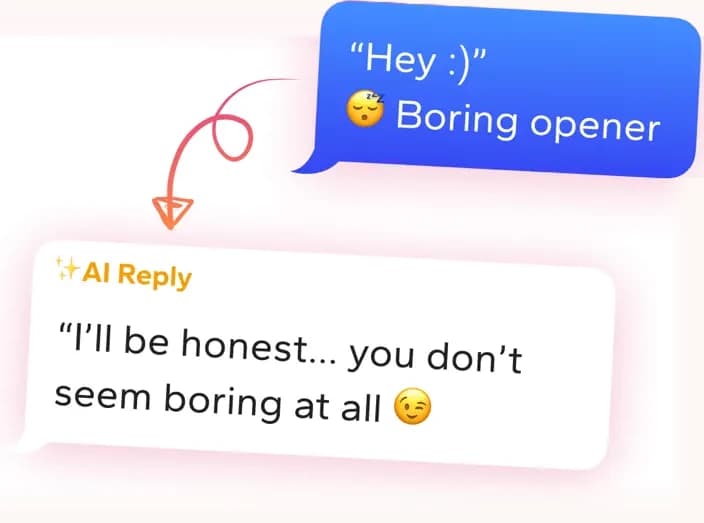
Get replies that sound like you
Screenshot the conversation in WingAI. It reads the vibe and gives you natural replies for this exact situation.
Try for freeTexting AI Screenshot the thread on your phone and get the next text.
Messages that backfire
“Hey, you're amazing and I love talking to you but I think I just need to figure myself out first. Maybe we can revisit this down the road?”
After weeks of texting, a door left open like this gives them a reason to keep checking in, and you've told them it might reopen.
“Sorry I've been so bad at replying lately, I feel terrible. Sorry. I think we should stop. Sorry again, I hope you're not mad.”
Repeated apologies make them either comfort you or wonder what you're guilty about, and the ending itself gets buried.
“I just don't think our communication styles or life goals line up, and I noticed you tend to double text a lot, which isn't really for me.”
Listing what bothered you after weeks of friendly chat reads as a critique of them, and it gives them specifics to defend or fix.
Common questions
- How do I tell someone to stop texting me politely?
- Say it directly in one or two sentences: you've enjoyed talking, but you don't want to keep texting. Skip the excuses and the maybe-later language. If they message again afterward, you don't have to reply, and a second short, firm reply is fine if they ignore it.
- Is it okay to just use the end chat option on Hinge?
- It's acceptable for a thread that barely started, but after weeks of real conversation a short message first is kinder. The in-app option works well as the step after you've said it clearly, or when someone is pushing past a clear no.
- How do I end a text conversation without being rude?
- Be brief, warm, and unambiguous. Mention one thing you liked, say you don't see it going further, and stop writing. Rudeness usually comes from silence or sharp reasons, not from a short kind message that clearly says it's over.
- What should I do if they reply asking why?
- Answer once, briefly and kindly, without a list of faults. Something like 'it just doesn't feel like the right fit' is enough. If they keep pressing, you can stop responding. You've been honest, and you aren't required to debate the decision.
Where people go wrong
- Letting replies get slower and shorter for a week or two, hoping they take the hint, which leaves them guessing and rereading old messages for clues.
- Citing being busy, stressed, or not ready as the reason when the real reason is lack of interest, since it invites them to offer to wait or to check back later.
- Writing three paragraphs of explanation and apology, which turns a quick closure into a conversation and makes them feel they need to respond in kind.
From our users
“I was skeptical at first. Then I tried it on a dry chat and the replies actually sounded like me, not a chatbot.”
Mazoonx
“I overthink every text. Having three options and picking the one that sounds like me cut that spiral short.”
Sam R.
Get replies that sound like you
Screenshot the conversation in WingAI. It reads the vibe and gives you natural replies for this exact situation.
Try for free