Why he said he likes you then pulled back
He expressed interest then disappeared. Learn what's really happening and how to respond without chasing.
When a man says he likes you and then withdraws, he's usually dealing with cold feet about the pace or commitment level, mixed feelings he's sorting through, or he's testing how you'll react. The withdrawal is deliberate, whether he knows it or not. It's a way of creating distance to see if you'll chase, panic, or hold steady.
Your reply here matters because it sets the tone for what comes next. A good response doesn't pretend the shift didn't happen. It also doesn't bargain or over-explain yourself. Instead, it holds your ground and gives him space to either step back in or confirm he's checked out.
The tricky part is that most replies either push too hard, asking what changed or demanding clarity, or fold too fast, reassuring him or lowering your standards to keep him interested. Neither works. You need something in between that's calm, clear, and doesn't reward the withdrawal.
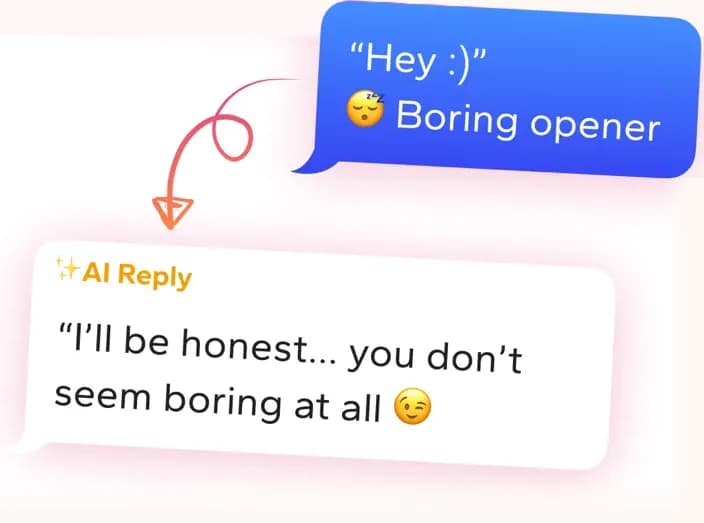
Get replies that sound like you
Screenshot the conversation in WingAI. It reads the vibe and gives you natural replies for this exact situation.
Try for freeRizz AI Screenshot the chat and get the next message for this person.
Cold feet looks like a pattern, not a one-off
The difference between someone who's busy or stressed and someone withdrawing from you is consistency. A man with cold feet doesn't just go quiet. He goes quiet, comes back briefly when you reach out, then goes quiet again. His messages get shorter. He stops making plans and starts giving vague responses when you suggest them. He says he likes you but his actions say he's managing distance.
Pay attention to whether the withdrawal happened right after he said something serious, like talking about the future or exclusivity. Cold feet often kicks in after intimacy or commitment talk. That's a real signal about his readiness, not necessarily about how he feels about you. The distinction matters because it tells you whether this is about you or about his own stuff.
A good reply creates the conditions for honesty
Your message needs to do two things without being clever or tactical about it. First, name what you're observing clearly and calmly, like you're just stating a fact. Not 'Are you pulling away?' but 'Things feel different.' This removes the shame or defensiveness that makes him shut down harder.
Second, give him one clean opening to either own what's happening or stay silent. Don't ask a question that begs for explanation. Instead, signal that you see the shift and you're waiting for him to either confirm he's out or explain what's real. This avoids the trap of him ghosting while you're still trying to figure out if he's even still there.
Wait three days, then move on if nothing changes
Send your message and then actually wait. Not two hours. Not until the next morning. Three days gives him time to sit with it without being so long that you're dangling in limbo. If he responds with real words about what's happening, you have something to work with. If he deflects, minimizes, or goes quiet again, that's your answer.
After three days with no real response, stop initiating. This isn't punishment. It's you accepting that he's already chosen his action even if he won't name it. Sometimes a man will come back weeks later when he's worked through his stuff. Let him. But don't spend that time waiting or checking your phone. Move forward.
Why these replies fail
“Did I do something to upset you? I'm sorry if I came on too strong. We can totally take things slower.”
This blames yourself and teaches him that withdrawal gets accommodation, which rewards the behavior.
“Ok I get it, you're not actually interested. Good luck with everything.”
It's a dramatic exit that gives him an easy out and leaves no room for him to actually clarify or step back in.
“Hey stranger, haven't heard from you in a bit. Everything ok? Miss you.”
It's light and playful but it ignores the shift entirely and puts the burden on him to fix things without naming what happened.
Common mistakes
- Asking 'What did I do wrong?' treats his withdrawal as your fault and teaches him withdrawal gets attention
- Over-sharing your feelings ('I really like you and hate this') puts the burden on him to manage your emotions
- Going quiet yourself sends a mixed signal that you're hurt or testing him back
- Reassuring him ('No pressure, we can take it slow') is actually accepting less than what he offered
- Texting multiple times or changing your tone signals you're unsure and willing to chase
Questions people ask
- Should I ask him directly what changed?
- Not in a way that demands explanation. Stating what you observe, 'Things feel different,' is better than 'Why are you pulling away?' The first gives him space to be honest. The second puts him on defense and usually gets a lie or silence.
- What if he says he's just busy or stressed?
- Busy or stressed people still make time for someone they're interested in, even a small text. If he's really that overwhelmed, he would say 'I'm going through something and I'm not available right now.' If he's vague about it, he's probably deflecting.
- Is it ever worth giving him a second chance after he withdraws?
- Only if he names what happened and shows change through action over weeks, not words. If he comes back saying he panicked but then goes quiet again three weeks later, that's a pattern and a signal to stop. One withdrawal can be circumstance. Two is habit.
- How long should I actually wait to hear back?
- Three days is the right window. It's long enough for him to process and respond if he wants to. After three days of silence following a clear message from you, you have your answer. Waiting longer doesn't change anything. It just costs you time.
What people say after using WingAI
“I overthink every text. Having three options and picking the one that sounds like me cut that spiral short.”
Sam R.
“I was skeptical at first. Then I tried it on a dry chat and the replies actually sounded like me, not a chatbot.”
Mazoonx
“Didn't think it would be this good. The funny options actually get responses, which is wild.”
Nico_dang
Get replies that sound like you
Screenshot the conversation in WingAI. It reads the vibe and gives you natural replies for this exact situation.
Try for free