What to Text When She Says She's Been Sick and Her Week Is Off
What to text when she says she's been sick and her schedule is off this week, how to read it, and when to follow up without pushing.
When someone tells you she's been sick and her schedule is a mess, she's giving you two things at once: a reason she's gone quiet or slow to reply, and a signal about how much bandwidth she has right now. Most of the time the illness is real and the disruption is real. It's rarely a rejection, but it can still stall a conversation that was just getting going.
A good reply does three things. It acknowledges the illness without turning it into a big production, it keeps the door open without asking her to commit to anything, and it leaves her room to come back when she has energy. The worst outcome is treating her sickness as a problem you need to solve or as a chance to ask about plans she can't make yet.
The tone should be warm and low-pressure. You're not trying to win the conversation back this week. You're trying to be someone she's glad to hear from when she's up to it.
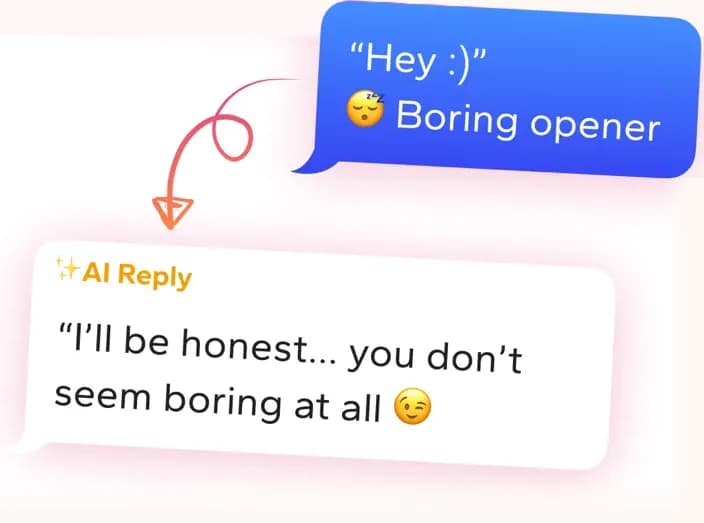
Get replies that sound like you
Screenshot the conversation in WingAI. It reads the vibe and gives you natural replies for this exact situation.
Try for freeRizz AI Screenshot the chat and get the next message for this person.
Read the week, not the single message
A line like "I've been sick and my schedule is all over the place" tells you two things. First, she's dealing with something unpleasant and probably tired. Second, her normal rhythm of replies and plans has been knocked off course. You can't tell from one message how long this will last, so don't try to guess. Look at what she's said before the illness. If she was engaged and asking questions, a dip this week is likely just logistics. If the conversation was already thin, the illness may be a convenient exit, and you'll see that over the next few days if she doesn't pick things back up.
Also notice how much she shared. A short, offhand mention usually means she doesn't want the topic to take over. A longer explanation with apologies suggests she feels she owes you an explanation, which is a good sign she values the conversation. Match her level. Don't respond to a casual mention with a big sympathy paragraph, and don't respond to an apology with a shrug.
Keep the reply light and leave the door open
Your reply needs to make it easy for her to answer later without any effort. Acknowledge the illness in a sentence, wish her a quicker recovery, and then stop. There's no need to ask a question, though a light, open one is fine if it doesn't require her to think or plan, like asking whether she's getting some rest. Avoid anything that asks her to schedule, decide, or reply at length. Those requests land badly when she's sick and drained.
The move that matters most is making clear you're not waiting on her. Show you have your own life going on. A one-line mention of something you're doing is enough. This tells her she can reply when it suits her, which is what she needs right now. It also keeps the conversation from feeling like a tab she has to keep up with while unwell.
Wait out the week before you chase
If she's sick, a day or two of silence is normal and tells you nothing. Let her reply on her own schedule. If you do need to send a follow-up, make it a few days later and keep it casual. Something that acknowledges she might still be catching up, plus an easy opening she can take or leave, works well. Pick a daytime window, not late at night, so it doesn't read as a late-night nudge.
If you've sent one gentle follow-up after a week of silence and she hasn't replied, let that be the end of the chasing for now. One more message after that starts to feel like pressure. If she comes back later with interest, pick it up naturally. If she never does, the conversation has told you what you needed to know, and you can move on without a dramatic exit.
Why these replies fail
“Oh no, that sounds awful! Are you feeling any better? We should get drinks this weekend once you're back on your feet, what do you think?”
It stacks a sympathy question, a plan, and a request for a decision onto someone who's sick and tired.
“Hope you feel better soon. Just checking in, did you see my last message?”
A check-in that points at an unanswered message makes her feel like she's behind on something while she's unwell.
“Ugh, sick is the worst. What were your symptoms? Did you get tested?”
It turns a casual mention into a medical interview, which is awkward and puts her on the spot.
Common mistakes
- Asking for a date or plan in the same message where you acknowledge she's unwell
- Sending several follow-ups in a row because she hasn't replied
- Making the illness the whole topic and asking detailed questions about her symptoms
- Reading her slow replies as disinterest before the week has even ended
- Going quiet entirely and then reappearing with a cheerful message as if nothing happened
Questions people ask
- Should I ask if she's feeling better?
- A light "hope you're feeling better" is fine and usually enough. Asking how she's feeling in detail makes her explain again, which takes effort she may not have. One short acknowledgement covers it, and she can add more if she wants to.
- How long should I wait before texting again?
- Give her at least two or three days, longer if she said she was really unwell. Silence in the first few days after she mentions being sick is normal and doesn't mean anything yet. If you send a follow-up, make it casual and keep it in daytime hours.
- Is it okay to suggest a plan once she's better?
- Wait until she's brought up getting back to normal or mentioned that she's recovering. Suggesting a plan too early puts pressure on her to commit before she knows what her week looks like. A soft line like "let me know when you're up for it" works better than a specific date.
- What if she never really replies after she's better?
- If she's been back on her feet for several days and still isn't engaging, take that as your answer. You can send one more low-key message if you want closure, but don't chase past that. A calm, unbothered approach keeps your options open without making things awkward.
What people say after using WingAI
“I was skeptical at first. Then I tried it on a dry chat and the replies actually sounded like me, not a chatbot.”
Mazoonx
“She went cold mid-week and I had no idea what to say. The reply I sent felt natural and she picked the chat back up.”
Marcus T.
“My openers used to be boring. Now I reference something from her profile and people actually write back.”
Aiden K.
Get replies that sound like you
Screenshot the conversation in WingAI. It reads the vibe and gives you natural replies for this exact situation.
Try for free