What to text when she says maybe coffee but won't commit to a day
She floated coffee but never named a day. Learn what tone to take, what to put in your text, what to skip, and how to read her answer before you move on.
A maybe about coffee is a low cost sentence. It costs her nothing to say, it sounds warm, and it keeps the door open without requiring her to check a calendar or decide how she feels about you. People say it when they like the conversation in the moment but haven't thought about an actual meeting. They also say it when they're busy, when their week is a blur of deadlines and obligations, or when they're ambivalent and don't want to deliver a flat no. From her side, the vagueness might be a mild yes, a polite hedge, or plain inattention. You can't tell which from the phrase alone, and you shouldn't pretend you can.
What you're trying to achieve is information, not a victory. A good follow up turns a floating idea into something she can accept or decline in a few seconds. You want her answer to tell you something, whether that's a day she proposes, a counter offer, or a soft fade. Your message should be light enough that a no doesn't sting her into silence, and specific enough that a yes costs her almost no effort. Think of it as handing her a small, easy decision rather than an open question she has to build from scratch.
Timing matters more than most people admit. If you text within hours, it can read as though you've been staring at the thread. If you wait two weeks, the original spark has cooled and you're basically starting over. A gap of a day or two, ideally landing at a time she's likely to be free to glance at her phone, keeps the idea warm. Weekday evenings and Sunday afternoons tend to be when people plan. Late night messages proposing daytime plans often get buried under the next morning's inbox.
Several instincts backfire here. Pointing out that she never picked a day makes her defensive, because it turns a casual remark into an accusation. Overexplaining your own availability makes the plan sound like a favor you're asking for. Stuffing the message with jokes avoids the question entirely and lets her laugh without answering. Apologizing for bringing it up tells her you expect to be a nuisance. And piling on three or four options hands her a menu, which sounds generous but actually makes choosing harder than saying nothing.
Reading her reply is mostly about effort. If she names a time, suggests an alternative, or asks a question about logistics, she's investing, even if the day she picks is a week away. If she answers warmly but adds nothing concrete, treat that as a lukewarm maybe and don't press harder. If she goes quiet, let it rest rather than sending a second nudge. One clear attempt that she can easily accept is a fair test of interest. A chase isn't.
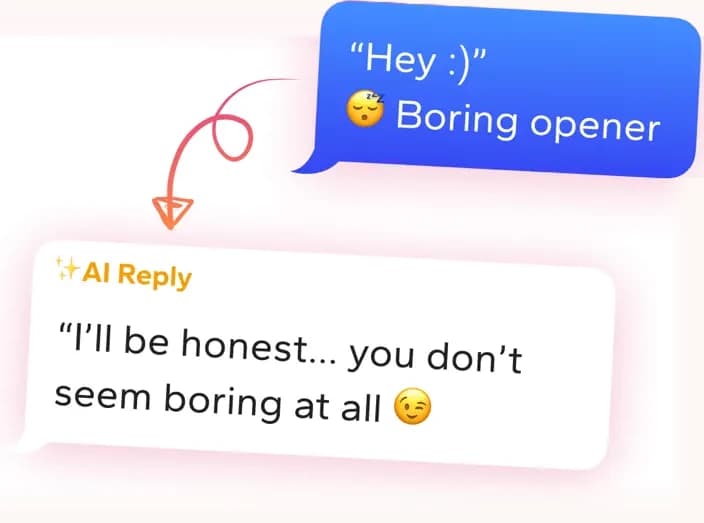
Get replies that sound like you
Screenshot the conversation in WingAI. It reads the vibe and gives you natural replies for this exact situation.
Try for freeTone that keeps it easy for her
Aim for relaxed and specific, the way you'd mention something to a coworker you like. Treat the coffee idea as a plan that's still alive, not a debt she owes you. Skip the heavy lead in, and skip any hint that you've been waiting. A short message with a clear proposal and a friendly close reads as confident because it doesn't need her to rescue it. Keep your punctuation and energy matched to how she texts. If her messages are brief and dry, don't answer with a paragraph and five exclamation points. If she's chatty, a little warmth is fine. The goal is that she reads it in two seconds and knows exactly what you're asking.
What to put in the message
Anchor it to something real from your earlier conversation, like a place she mentioned, a show she's watching, or a busy week she described. That tells her you listened and makes the invitation feel personal instead of copied. Then name one concrete window, a day and a rough time of day, and let her adjust it. Add a plain line that makes saying no comfortable, so she doesn't feel cornered. Keep the whole thing short enough to read on a lock screen. You don't need a venue yet unless a natural spot already came up. Details can wait until she's agreed to the basic idea.
Angles you can adapt to her reply
One angle is a light callback to something she said, followed by a single proposed day. Another is an honest, low pressure acknowledgment that schedules get hectic, paired with an easy offer she can tweak without apologizing. A third is a brief, playful nudge that treats the coffee as an inside joke between you, ending with a specific window. If she answers enthusiastically, confirm quickly and keep logistics simple. If she says she's slammed, ask for a rough timeframe once and let her set it. If she stays vague again, stop there and let the conversation drift without chasing.
Frequently asked
- How long should I wait before texting after she says maybe coffee?
- Wait a day or two, long enough that you don't look glued to your phone and short enough that the idea is still fresh. Past about four days, the original warmth fades and you're restarting the conversation instead of continuing it.
- Should I mention that she never picked a day?
- No. Pointing it out makes her feel accused and rarely gets a better answer. Treat the coffee as a plan still on the table and move it forward with a specific suggestion. Her reaction to that is more useful than any explanation she'd give.
- What if she replies warmly but still won't pick a time?
- Take it as a lukewarm maybe and don't push a second time. Enthusiasm without any logistics means she likes the idea more than the effort. You can leave the door open lightly, but keep your energy and attention on people who suggest times themselves.
- Is it okay to suggest a weekday over a weekend?
- Yes. Weekday coffee is shorter, lower stakes, and easier to fit around work or class, so many people agree to it faster. Weekends can feel like a formal date and raise the pressure. Pick whichever matches what you've learned about her schedule.
What not to send
“so are we ever actually getting that coffee or what?”
It calls out her vagueness with a sarcastic edge, which makes a casual remark feel like a complaint and invites her to get defensive or go quiet.
“Sorry to bug you again, I know you're busy, no worries if not at all”
Apologizing before you've even asked turns a friendly plan into an imposition and hands her permission to ignore it.
“Coffee tomorrow, Thursday, Saturday morning, or next week? Pick whatever, I'm totally flexible and free anytime”
A menu of options plus total availability makes the decision heavier for her and makes your interest look unfocused rather than easygoing.
Mistakes to avoid
- Sending a message so open ended that she has to invent the plan herself, which is exactly the step she avoided the first time.
- Filling the text with jokes and banter so she can respond to the humor and never answer the actual question about a day.
- Following up a second and third time after a vague reply, which turns one friendly attempt into pressure she'll want to escape.
Real user feedback
“I was skeptical at first. Then I tried it on a dry chat and the replies actually sounded like me, not a chatbot.”
Mazoonx
“She went cold mid-week and I had no idea what to say. The reply I sent felt natural and she picked the chat back up.”
Marcus T.
“My openers used to be boring. Now I reference something from her profile and people actually write back.”
Aiden K.
“I overthink every text. Having three options and picking the one that sounds like me cut that spiral short.”
Sam R.
Get replies that sound like you
Screenshot the conversation in WingAI. It reads the vibe and gives you natural replies for this exact situation.
Try for free