What to say when he says he moved too fast and got scared
How to respond when a guy admits he thinks things escalated too quickly and fear is holding him back.
When someone says they moved too fast and got scared, they're naming a real feeling but also testing whether you'll push back or give them space. This is a moment where panic is real for them, even if the speed was mutual. Your reply has to do two things at once: acknowledge that fear is legitimate without absorbing blame for it, and signal whether you're willing to slow down without collapsing into waiting around.
The mistake most people make is either over-reassuring ("don't worry, we can take it slow") or over-explaining (defending the pace or listing reasons it made sense). Both make it about managing his emotion instead of being direct about what you want next.
A solid reply stays grounded. It confirms you heard him, doesn't fight the fear, and names what slowing down actually looks like for you both going forward. It also leaves a door open without holding it indefinitely.
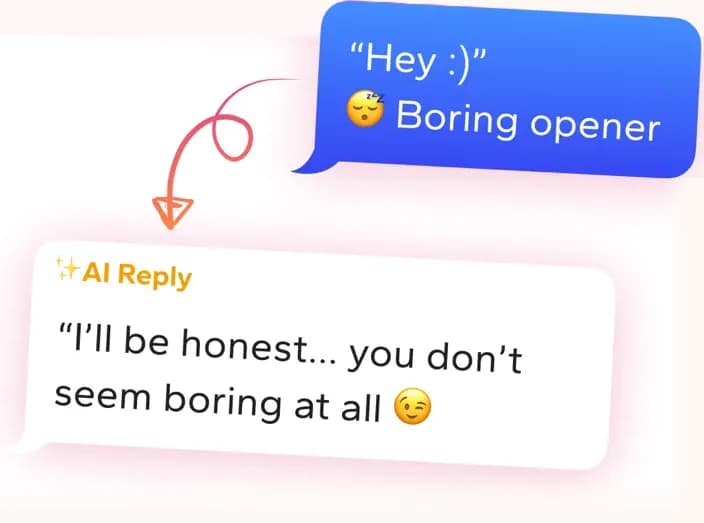
Get replies that sound like you
Screenshot the conversation in WingAI. It reads the vibe and gives you natural replies for this exact situation.
Try for freeRizz AI Screenshot the chat and get the next message for this person.
Fear of momentum is different from fear of you
When someone says things moved too fast, they might mean the relationship, the commitment talk, the time investment, or how vulnerable they felt. But they usually don't mean you're wrong for them. The fear is about losing control of their own life or getting hurt, not about you being a bad match. Separating those two things matters because his fear isn't information about whether you two should be together. It's information that he's anxious right now.
This also means his fear can be real and the pace can have been fine. Both things coexist. He can have gotten swept up and then hit a wall of panic. That's normal for people who have been hurt before or who struggle with commitment. It doesn't mean you were chasing or that you should feel bad for wanting more time together.
Name what slower actually means before he fills the blank
When you reply, don't just agree to take things slow. Say what that looks like. Does it mean fewer times per week? No sleep-overs for a while? No talking about the future for a month? No defining the relationship? The reason you do this is that "slow" means something different to everyone. He might think slow means seeing each other once a week and not texting as much. You might hear it as not progressing toward exclusivity. If you don't nail this down, you end up in a weird holding pattern where he thinks he bought himself space and you think you're building something.
Your reply should also make clear what you need to keep feeling secure. If you can't go backward on frequency or commitment level without feeling stuck, say that. It doesn't have to be combative. It's just the truth of what works for you.
Give him three days, then decide what silence means
Send your reply and wait at least three days before you follow up or reassess. If he responds within a day or two, you have a conversation starter. If he goes quiet after you've laid out what you need, that's also information. Silence after you've been honest is usually him either panicking harder or realizing the terms don't work for him. Neither is your job to fix.
After three days with no response, send one small follow-up if you want to. Keep it short. Something that shows you're still open but not waiting. Then step back. If he comes back after a week or two, that's his choice to make. But don't spend that time overanalyzing or staying available in a vague way. Date other people, make plans, move forward. He told you he's scared. You don't get to solve that for him while your own life stalls.
Why these replies fail
“hey, i totally get it. honestly we can slow down as much as you need. no pressure from me at all. just let me know what feels right to you”
This puts all control in his hands and makes you sound like you have no needs, which actually adds pressure for him to decide the pace while you wait passively.
“i don't think we moved too fast though? we've been talking for two weeks and seeing each other twice a week, which is pretty normal. i'm not sure where this is coming from”
Arguing about whether the pace was actually fast dismisses his feeling and turns this into a debate instead of a real conversation about what he needs.
“okay so if you got scared, what does that mean for us? like, are you still into this? because i need to know”
Immediately demanding reassurance or clarity puts him on the spot and makes this about getting him to commit to certainty he doesn't have right now.
Common mistakes
- Over-reassuring him that everything is fine and the pace doesn't matter, which makes you look like you're managing his anxiety instead of responding to his actual concern.
- Going defensive about whether things really were fast or pointing out it was mutual, which turns it into a debate instead of a conversation.
- Immediately agreeing to pump the brakes without naming what that means, leaving you both vague and confused about what changed.
- Disappearing or going cold to punish the honesty, which reads as you can't handle vulnerability even though he just showed you some.
- Asking him to explain or process his fear with you right away, which makes this about solving his emotions instead of your next move.
Questions people ask
- Should I apologize for moving too fast?
- Not unless you actually feel you pushed things. If the pace felt mutual or right to you, apologizing just absorbs blame that isn't yours. You can acknowledge his feeling without saying you did something wrong. Try: 'I hear that you're feeling scared about the pace' instead of 'I'm sorry I moved too fast.'
- What if he never responds to my reply?
- After three days, send one short follow-up. If he still doesn't respond, he's telling you something without words. His fear might be bigger than he can communicate, or he's realized slowing down doesn't solve what he's actually anxious about. Either way, you don't owe him more waiting or reassurance.
- Is it a red flag if he gets scared after moving fast?
- Not automatically. People with past hurt or attachment anxiety often move fast and then panic. If he owns it and you can talk about pacing, that's workable. If this becomes a pattern where he pulls back every few weeks, that's different. One conversation about pace is normal. Constant cycles of closeness and withdrawal suggest deeper issues he needs to work on.
- How do I slow down without losing momentum or feeling stuck?
- Be specific about what you're actually willing to adjust. You might see each other the same amount but talk less about the future. Or you might see each other less but keep the texts warm. The point is you're making a conscious choice together, not just putting everything in freeze mode and hoping he feels better.
What people say after using WingAI
“I overthink every text. Having three options and picking the one that sounds like me cut that spiral short.”
Sam R.
“I was skeptical at first. Then I tried it on a dry chat and the replies actually sounded like me, not a chatbot.”
Mazoonx
“I'm busy and half the profiles give you almost nothing to work with. WingAI gets me a solid first line fast without me staring at the screen for ten minutes.”
Ralph
Get replies that sound like you
Screenshot the conversation in WingAI. It reads the vibe and gives you natural replies for this exact situation.
Try for free