What to Say to a Bumble Match Recovering From a Cold
Reply to a Bumble match who says she's recovering from a cold: how to read it, what a good reply does, and when to follow up.
She told you she's recovering from a cold this week. That's a small, personal update, and it usually means she's sharing something about her day or her body rather than asking you to solve anything. Most people in this spot either ignore it and talk about something else, or overreact with a wall of sympathy. Both miss what she actually handed you.
A good reply acknowledges the detail like a person would, then gives her an easy thread to pull on. Your reply should show you were paying attention without turning her health into the whole conversation. A line about the cold, one light question, and a sign that you're easy to talk to is enough.
The cold also tells you something about timing. If she's under the weather, she may be slower to reply, less interested in long back-and-forths, or planning around rest. Read the reply pace as information, not a verdict on how you're doing.
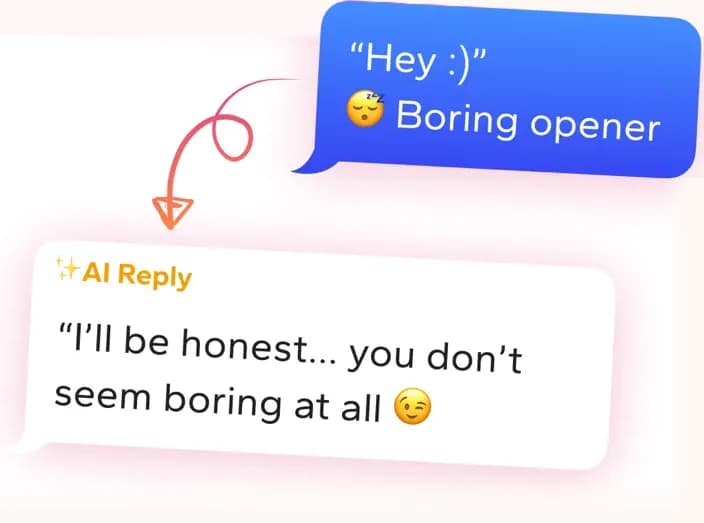
Get replies that sound like you
Screenshot the conversation in WingAI. It reads the vibe and gives you natural replies for this exact situation.
Try for freeBumble AI She already sent the first message. Screenshot it and get the reply.
The cold is a small window into her week
When someone mentions a cold in a first message, they're usually doing two things at once: explaining why their replies have been slow, and offering a bit of their real life. She isn't asking for help and she isn't asking you to be a nurse. She's giving you a snapshot of what her week has looked like, and that snapshot is pretty mundane, which is fine. The useful read is that she's tired, possibly low-energy, and probably spending time at home.
That tells you the kind of reply that fits. Something light and specific about rest or recovery matches her tone. Something that treats the cold as a crisis does not. Pay attention to how she described it. If she made a joke about it, joke back. If she was matter-of-fact, stay matter-of-fact.
Acknowledge it, then give her something to answer
The reply has to do three jobs. First, it has to show you read the detail, which means referencing the cold or the couch or the week of rest in a way that could only come from her message. Second, it has to be easy to respond to. A question about what she's been watching is better than a question about how she's feeling, because it lets her talk about something she enjoys while staying on her own terms. Third, it should lower the pressure on her replies. If you signal that you're comfortable waiting, she doesn't have to rush to match your energy.
Keep the message short. A cold week doesn't call for a long message back, and a short one shows you're not trying to take up her limited energy. Ask one question, leave a little room, and stop.
Reply when she's likely to be reading
Because she's been sick, don't read silence as a verdict. Give it a full day before deciding anything. If you sent a good reply on a Monday evening, a Wednesday response is normal. If she replies with something short and tired, match the length and don't push for a long exchange.
If she goes quiet entirely, one gentle follow-up after two or three days is reasonable, something that's easy to answer with a single word and doesn't reference the cold again. Hope she's feeling better is fine once. After that, let it rest. If she doesn't come back after one follow-up, move on without a third message, and keep your profile open in case she returns when she's feeling better.
Why these replies fail
“Oh no, that sounds awful. Have you tried taking vitamin C and getting plenty of fluids?”
It jumps straight to unsolicited health advice, which makes her feel managed rather than heard.
“Sorry you're sick. Anyway, what are you doing this weekend?”
It acknowledges the cold in a single phrase and then drops it, which signals you weren't really listening.
“Hope you're feeling better soon! Let me know when you're up for meeting up, I'm free any night this week.”
It pushes toward an in-person plan while she's still recovering, which puts pressure on her energy and timing.
Common mistakes
- Skipping the cold entirely and jumping to a generic question about your weekend
- Piling on medical advice or asking detailed questions about her symptoms
- Writing a long paragraph of sympathy that makes the chat feel like a bedside visit
- Treating her slow replies as a rejection and sending a follow-up within the hour
- Making a plan to meet in person that ignores the fact she's still recovering
Questions people ask
- Should I ask how she's feeling after she mentions a cold?
- You can, but keep it light and make it one question rather than a string of them. Something like hope the couch time is helping works better than asking for symptoms. Asking how she's feeling is fine, but it's more natural to mention the rest or the TV she described, since that gives her something easier to respond to without having to report on her body.
- How long should I wait to reply if she's been sick?
- Reply the same day you see the message if you can, since a timely response shows interest without pressure. Her own replies may be slow, so don't measure your timing against hers. If she replies later, respond within a few hours to a day, matching the energy of her message rather than writing a long reply to make up for lost time.
- What if she says she's still sick a few days later?
- Acknowledge it briefly and keep the conversation easy. A short line like sorry it's dragging on, rest up is enough. Don't suggest meeting, don't ask follow-up health questions, and don't offer to bring anything over. Let her decide when she has energy to chat more, and keep your messages short until she's back to normal.
- Is it too forward to offer to meet once she's better?
- It can be, depending on how the rest of the conversation has gone. If you've been chatting for a while and she's been warm, a light mention like when you're back on your feet, I'd like to hear more about the couch-and-TV week in person works. Keep it open-ended, avoid a specific date, and let her pick the timing once she's recovered.
What people say after using WingAI
“I was skeptical at first. Then I tried it on a dry chat and the replies actually sounded like me, not a chatbot.”
Mazoonx
“I overthink every text. Having three options and picking the one that sounds like me cut that spiral short.”
Sam R.
“I'm busy and half the profiles give you almost nothing to work with. WingAI gets me a solid first line fast without me staring at the screen for ten minutes.”
Ralph
Get replies that sound like you
Screenshot the conversation in WingAI. It reads the vibe and gives you natural replies for this exact situation.
Try for free