What to message when he says he likes you but fears getting hurt
He told you he likes you but he's scared of getting hurt again. Here's how to reply, how fast, and what to do if he goes quiet afterward.
When a guy tells you he likes you a lot and that he's scared of being hurt again, he is handing you something he probably rehearsed in his head first. A line like that usually follows a bad ending, a betrayal, or a relationship that taught him warmth can turn into damage without warning. He is not asking you to repair that history. He is checking whether admitting it makes you flinch, get defensive, or start auditioning for the role of the person who will finally prove everyone wrong.
Your goal is a reply that shows you registered the fear without turning it into the whole conversation. He should come away feeling heard, still liked, and under no obligation to perform confidence he doesn't have. You also want to protect your own footing. Wanting him doesn't mean agreeing to wait indefinitely or to carry the weight of his caution. A good reply can be warm and still quietly say what you need from him: honesty about where his head is, and the willingness to keep showing up when the nerves hit.
Timing matters more than most people expect, especially over text. He has just exposed something, and in the hours after, a lot of people replay the moment and wonder if they said too much. A reply that lands the same day tells him the disclosure was safe. A reply that arrives after two days of silence can read as discomfort, even if you were just overthinking the wording. Don't rush into sending something sloppy, but don't let drafting turn into avoiding. If he messaged late at night, a calm reply the next morning is fine.
Most of the backfires here come from overcorrecting. Promising he'll never get hurt sounds comforting but hands you a guarantee nobody can keep. Probing for details about his ex turns a moment of closeness into an interview. Going breezy and joking past it can make him feel dismissed, as though the thing he found hard to say was a minor detail. Heavy reassurance paragraphs tend to make people with guarded histories more nervous, because intensity can look like the same speed that burned them before.
When you read his response, look at behavior more than wording. A short, warm answer followed by normal contact is a good sign, since he is steadying himself in small doses. If he answers warmly and keeps making plans, the fear is being handled in motion. If he thanks you and then the messages thin out week after week, the fear may be doing the driving. A single quiet day means little. A pattern of going cold after every moment of closeness is information you are allowed to act on.
Why he told you this now
People rarely announce their fear to someone they've already written off. Telling you suggests he wants this to go somewhere and is trying to manage the risk out loud instead of silently pulling back. It's also a small test. He is watching whether you treat his caution as an insult, a puzzle to solve, or a fact about him. Your reply is the first evidence he gets. Keep it level. If you respond as though he confessed a flaw, he'll regret saying it. If you respond as though he made a reasonable statement about himself, he'll feel safe enough to keep being honest, which is the thing you actually want from him.
Say what you need from him
Most replies stay entirely on his feelings and never mention yours. Add one plain sentence about what helps you feel secure in this: that he tells you when he's pulling back instead of vanishing, or that he keeps making plans even on nervous days. It shouldn't sound like a demand or an ultimatum. It sounds like a person with preferences, which is attractive and also protective. It gives him something concrete to do with his fear besides hide it. Fear that has a task attached tends to shrink faster than fear that is simply soothed with promises.
The hours after you hit send
Once the message is out, leave it alone. No follow-up asking if he saw it, no second message softening the first one, no checking his last active time every twenty minutes. He may need an evening to settle before answering, and a poke interrupts that. Fill the time with your own plans so the waiting doesn't leak into your tone. If he replies slowly but warmly, keep your pace steady and don't match his delay on purpose. If two or three days pass with nothing, one light, low pressure message is reasonable. Past a week, treat the silence as his answer for now.
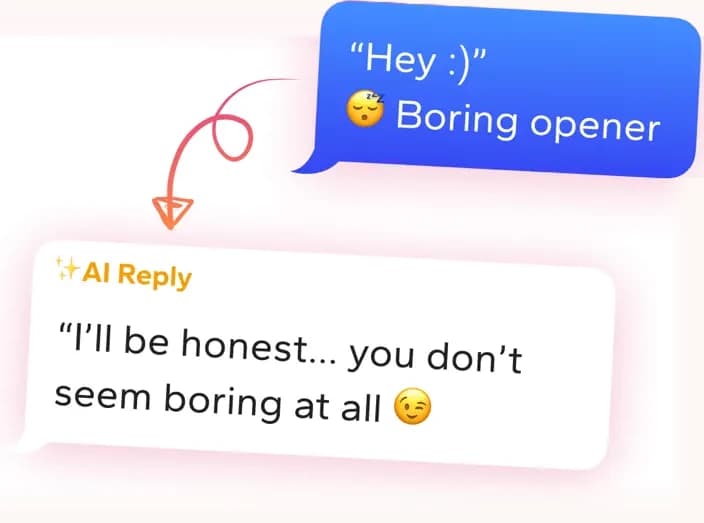
Get replies that sound like you
Screenshot the conversation in WingAI. It reads the vibe and gives you natural replies for this exact situation.
Try for freeWhy these replies fail
“Don't worry, I would never hurt you. You're safe with me.”
It promises an outcome you can't control and makes you the guarantor of his emotional safety before you've even been on enough dates to earn that.
“I'm so sorry that happened to you. Tell me everything about what she did, I want to understand.”
He told you the fear, not the story, and demanding the story makes a vulnerable moment feel like an interrogation.
“Haha well good thing I'm not like other girls, so you're fine!”
Joking past his admission tells him the thing he found hard to say didn't register, and the comparison to his ex-partners drags her back into the conversation.
Questions people ask
- How soon should I reply after he says he's scared of getting hurt?
- Reply the same day if you can, within a few hours is ideal. A prompt, calm answer tells him that opening up didn't create awkwardness. You don't need to answer in seconds, and a thoughtful reply the next morning is fine if he wrote late. Avoid waiting several days while you perfect the wording.
- Should I reassure him that I won't hurt him?
- No. Skip promises about the future, because he won't believe them yet and you can't fully keep them. Acknowledge what he said, say you like him too, and describe how you want to treat each other going forward. Steady behavior over weeks reassures far better than a sentence about safety.
- What if he stops texting after being vulnerable?
- A day or two of quiet can be him processing. Give him that space, then send one light message around day three. If a week passes with no real reply, take it as his answer for now. Some people retreat after opening up, and you aren't required to wait out their timeline.
- Is it okay to mention my own fear of getting hurt?
- Yes, if it's true and you can say it briefly. A single sentence shows you understand without turning the exchange into a contest of past pain. Skip it if you'd only be saying it to match him. Then bring the conversation back to the two of you and what you want next.
Common mistakes
- Writing a long, emotional paragraph that matches his vulnerability word for word, which can feel like pressure and makes a guarded person want to retreat instead of respond.
- Treating his fear as a project by offering to fix it, suggesting therapy, or quizzing him about his ex, when he only asked to be taken seriously.
- Sending a second and third message within the hour because he hasn't answered yet, which turns a patient reply into a chase and proves the worry that closeness gets intense fast.
What users say
“I overthink every text. Having three options and picking the one that sounds like me cut that spiral short.”
Sam R.
“I was skeptical at first. Then I tried it on a dry chat and the replies actually sounded like me, not a chatbot.”
Mazoonx
“I'm busy and half the profiles give you almost nothing to work with. WingAI gets me a solid first line fast without me staring at the screen for ten minutes.”
Ralph
“I always freeze on the first sentence. This gets me past that blank box so I actually hit send.”
joejoe4567
Get replies that sound like you
Screenshot the conversation in WingAI. It reads the vibe and gives you natural replies for this exact situation.
Try for free