Understanding the 3-6-9 rule in dating and relationships
The 3-6-9 rule is a dating timeline that marks milestones at three, six and nine months. Here is what it means, where it comes from and how to reply.
The 3-6-9 rule is a loose timeline people use to describe how a relationship tends to develop. The first three months are usually the infatuation stretch, when novelty and attraction make everything feel easy. Around month six, routines and differences surface. By month nine, many people judge whether the relationship is sturdy enough to continue, deepen or end. It is a popular piece of dating folklore, not a researched model, and nobody agrees on exact details. Some versions use days, some use weeks, and a few people mean something else entirely by the phrase.
When another person mentions it, they are usually telling you how they like to pace things. Maybe they have watched a fast relationship collapse after the glow faded. Maybe they simply want to see how you behave when the newness is gone. You cannot know which, and guessing wrong is easy. Treat the mention as a description of their preferences and ask them what it means to them instead of building a theory about their history.
Your goal is to show you can talk about relationship pacing without getting defensive or performing certainty. That means acknowledging the idea has some logic, since early attraction and long-term compatibility are different things, while staying honest that you cannot promise how month seven will look. Curiosity beats reassurance here. A question about what they have learned or what they would want the later months to feel like keeps the exchange two-sided and low pressure.
Timing and medium shape how this lands. In a text thread, a considered answer sent the same day usually reads as attentive, while a wall of text reads as anxious. If it came up on a date, a short follow-up message the next day referencing something they said shows you were listening. Skip bringing the rule up yourself in the first weeks of chatting. Introducing a framework about commitment milestones before anything has started can feel like you are scripting the relationship.
What tends to backfire is arguing with the idea, claiming to be an exception, or answering with your own breakup story. Each one turns their comment into a verdict on you or a stage for you. Read their response by its warmth and length. A follow-up question or a personal detail means the topic is welcome. A brief, flat reply or a subject change suggests they said their piece and want to move on, so let it rest and keep the conversation light.
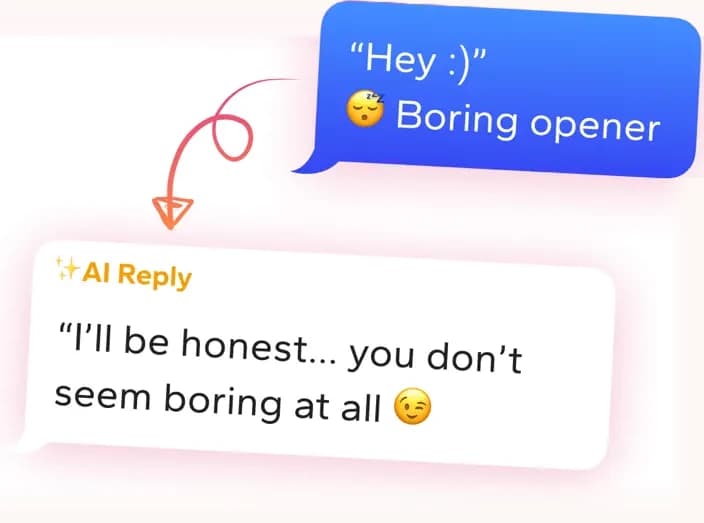
Get replies that sound like you
Screenshot the conversation in WingAI. It reads the vibe and gives you natural replies for this exact situation.
Try for freeWhere the rule comes from
There is no study, author or clinical source behind the 3-6-9 rule that anyone can point to. It spread through social media and dating conversation as a shorthand, and that is why versions differ. Some people attach feelings to each stage, such as infatuation, friction and decision. Others treat the numbers as checkpoints for exclusivity, meeting friends or saying I love you. Because there is no official definition, the most useful move is asking which version the person has in mind. Their answer tells you more than the numbers do. It also protects you from nodding along to a rule you have misunderstood, which can lead to awkward mismatches in expectations later.
Answering without defending yourself
A mention of the rule can feel like a quiet test, and the instinct is to prove you will pass it. Resist that. Agreeing that early chemistry fades and that you would want to be known beyond the first stretch is enough. You do not need to pledge anything about month six. If you like the pacing idea, say so in your own words and add something concrete, such as wanting to see how you both handle a stressful week. If you disagree with parts of it, say that calmly and briefly, framing it as how you tend to experience relationships rather than a correction of theirs.
When month four feels different
If you are already dating and the mood shifts, the rule is a useful prompt to talk, not a diagnosis. Early excitement settling into routine is common and does not mean something is wrong. Name what you notice in plain terms, like spending less time on plans or feeling busier, and ask whether they feel it too. Avoid pinning it on the calendar, as though the number explains everything. Compare notes on what each of you needs now, whether that is more time together, more space or simply a more honest check in. Decisions about the relationship should rest on what you both experience, not on which month it is.
Common questions
- What is the 3-6-9 rule in a relationship?
- It is an informal dating timeline. Roughly, the first three months are infatuation, months three to six bring reality and friction, and months six to nine show whether the bond holds. It is folk wisdom rather than research, and people define the stages in different ways.
- Is the 3-6-9 rule real?
- It is real as a popular idea, but not as a scientific finding. No study establishes those exact intervals. Relationships change at different speeds, so treat it as a conversation starter about early attraction versus lasting compatibility, not a schedule your relationship must follow.
- What does it mean if someone brings up the 3-6-9 rule?
- Most likely they are describing how they prefer to pace a relationship. It could reflect caution, past experience or simple curiosity about how you think. Ask what it means to them instead of assuming, since the same phrase can carry different intentions.
- Should I mention the 3-6-9 rule first?
- Usually not. Raising commitment milestones before there is a relationship can feel scripted. If the conversation turns to past relationships or how you each approach dating, it can come up naturally. Otherwise, let pacing show in your actions and wait for them to use the term.
Messages that backfire
“Honestly that rule sounds depressing, I just like to go with the flow and not overthink dating.”
It brushes off a pacing preference they chose to share and implies caution is a character flaw.
“I'm not like other people you've dated, so month three won't change anything for me.”
It asks them to take your word on a timeline you cannot yet prove, which makes a casual comment feel like a pressure campaign.
“Yeah, my ex seemed perfect for five months and then everything fell apart, so I get it.”
It turns their comment into a story about your past relationship and leaves their own view unexplored.
Where people go wrong
- Treating the rule as a fixed calendar and expecting a relationship to change on day ninety, when real shifts rarely follow a schedule.
- Guessing at the other person's history or motives from one mention of the rule instead of asking what they meant.
- Replying with a long defense or a list of promises, which makes a light comment feel like a trial.
From our users
“I overthink every text. Having three options and picking the one that sounds like me cut that spiral short.”
Sam R.
“I was skeptical at first. Then I tried it on a dry chat and the replies actually sounded like me, not a chatbot.”
Mazoonx
“My openers used to be boring. Now I reference something from her profile and people actually write back.”
Aiden K.
Get replies that sound like you
Screenshot the conversation in WingAI. It reads the vibe and gives you natural replies for this exact situation.
Try for free