What it means when a guy vents to you
When a guy shares his problems with you, it signals trust and emotional openness. Learn what this means and how to respond.
When a guy vents to you, he's letting you past his outer walls. Most men don't dump their stress on people they don't care about or don't trust. He's treating you like someone safe, someone who won't judge him or spread it around.
This can mean different things depending on context. Early dating, it might signal he's comfortable with you faster than usual. Further in, it means he sees you as a real partner. But venting isn't the same as asking for advice or asking you to fix things. He's processing out loud.
Your job is to match his trust without taking on his problems as yours. A good reply makes space for what he's feeling, shows you're listening, and doesn't try to solve or minimize. It keeps the door open for him to keep being real with you.
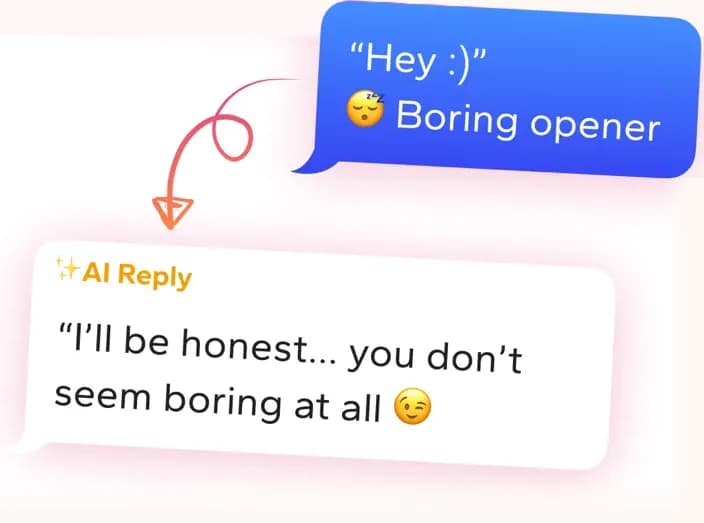
Get replies that sound like you
Screenshot the conversation in WingAI. It reads the vibe and gives you natural replies for this exact situation.
Try for freeRizz AI Screenshot the chat and get the next message for this person.
Why he chose to tell you this
A guy who vents to you has decided you're someone worth being vulnerable around. That's actually a big move for most men, especially early on. He's not looking for you to fix his job, his family drama, or his insecurity. He's looking for someone who can sit with the hard feeling without flinching or trying to turn it into a pep talk.
Venting to you means he sees potential in whatever this is. He's testing the waters of real intimacy, not just surface-level dating. If he's doing this early, he's either moving fast or he's someone who lets people in quickly. Either way, he's given you information about how he operates under pressure.
How to respond without taking on his load
A strong reply does two things at once. First, it shows you heard the weight of what he said. Not with toxic positivity, not with a lecture, just acknowledgment. Second, it creates space for him without pulling you into the middle of his problem.
You're not his therapist or his mom. You're the person he trusts. That means you can say 'that sounds really frustrating' without also needing to be the one who makes it better. Follow his lead on whether he wants to talk it through or just have it acknowledged. If he keeps sharing details, keep listening. If he stops, let it rest.
Send it while you're still present, not hours later
Timing matters here. A reply that comes back within a few minutes or an hour shows you're actually sitting with what he said. If you wait six hours, it reads like you forgot or didn't think it was important. You don't need to drop everything, but a prompt response tells him you took it seriously.
If he vents and then goes quiet, don't pile on more messages. Let him be in his feelings. If he comes back with another message or asks you something, that's your cue to keep the conversation going. If he disappears for the rest of the day, that's normal processing. Don't follow up on venting. Just be the person who was there when it mattered.
Why these replies fail
“Ugh, that's so annoying. My boss does that to me all the time, it's the worst. I swear I'm about to quit”
This makes his problem about you and your frustration, which shuts down his ability to keep talking about what he's going through.
“Well, at least you still have a job. You could always look for something new if you hate it so much”
It minimizes his feelings and immediately jumps to solutions when he's just trying to vent and be heard.
“Okay”
It's so bare that it reads dismissive or like you're not actually listening, which defeats the whole point of him opening up.
Common mistakes
- Jumping straight into advice or solutions when he just needs to be heard
- Saying 'at least' or 'it could be worse' which shuts down what he's feeling
- Making it about you and your bad day instead of staying with his
- Treating his stress as weakness or being annoyed that he's not 'handling it'
- Going silent or changing the subject instead of acknowledging what he said
Questions people ask
- Does venting mean he likes me more than I think?
- It means he's comfortable and trusts you. That's a good sign. But venting isn't a love confession. It just shows he sees you as someone safe to be real with. That's foundation for something actual, not proof of commitment.
- What if he keeps venting and I'm getting tired of it?
- That's fair. You can be supportive without becoming his emotional dumping ground. If it's constant, you can gently ask if he's doing okay and suggest he talk to a friend or professional. You're not responsible for solving his stress.
- Should I bring up his problems later or just let them go?
- Follow his lead. If he brings it up again, it's safe to ask how things went or if he's feeling better. But don't check in on his issues like you're tracking his homework. That moves into caretaker mode and creates an imbalance.
- Is there a difference between venting and complaining?
- Venting is him releasing stress and looking to be understood. Complaining is surface level and often repetitive without actually needing connection. If he's venting, he's inviting you into his inner world. That matters.
What people say after using WingAI
“I overthink every text. Having three options and picking the one that sounds like me cut that spiral short.”
Sam R.
“I was skeptical at first. Then I tried it on a dry chat and the replies actually sounded like me, not a chatbot.”
Mazoonx
“Used it for a couple hours and set up a date the same night. Not even kidding.”
Nikola2214
Get replies that sound like you
Screenshot the conversation in WingAI. It reads the vibe and gives you natural replies for this exact situation.
Try for free