What it means when they only text you when they need something
They're using you as a utility, not seeing you as someone worth investing in. How to read it and what to do about it.
When someone only reaches out when they need something, you're not in their life. You're a resource. They text for favors, advice, money, plans they need filled, or ego boosts, then disappear. There's no reciprocal interest, no random check-ins, no "thinking of you" moments.
This pattern tells you how they prioritize you. If you mattered to them as a person, you'd hear from them on their own terms, not just when they want something. It's the opposite of someone building a connection.
A good response does two things. It stops rewarding the behavior and creates friction for using you. You're not cruel about it. You're just no longer available on demand. The goal is to either make them actually invest in you, or to make them stop bothering.
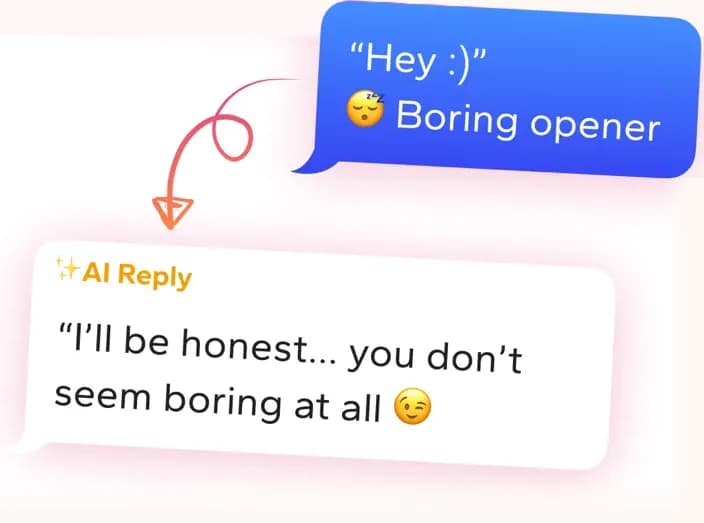
Get replies that sound like you
Screenshot the conversation in WingAI. It reads the vibe and gives you natural replies for this exact situation.
Try for freeRizz AI Screenshot the chat and get the next message for this person.
A favor request isn't a text conversation
Someone who only contacts you for tasks isn't texting you. They're placing an order. The absence of warmth, history, or actual interest is the message. They're not curious about your week. They're not sharing anything. They're not checking in. Then boom, they need something and suddenly you exist.
This is different from a friend who texts rarely but actually cares. That person, when they do reach out, shows they remember you. They reference past conversations. They ask about your life. Someone who only texts for favors does none of that. The pattern is pure transaction.
Stop being the answer machine
Your reply needs to do one job. Make it cost them something to use you. Not punishment. Just consequence. Either you decline clearly, or you say yes with terms that make the favor less convenient than finding someone else. You're not mad about it. You're just not free on demand anymore.
The second move is shorter replies. Shorter, slower, colder. No emojis. No warmth. No extra information. You answer what they asked, nothing more. This makes the conversation feel less rewarding to them. They start noticing the difference between talking to you and talking to someone who actually wants to talk to them.
Wait to see if they follow up with an actual conversation
After you respond to their request, especially if you say no or make it inconvenient, stop texting them first. Wait. If they ever reach out just to talk, that's a sign the pattern can shift. If they only text you again when they need something else, you have your answer.
Don't keep waiting forever though. After one or two cycles of them only asking for things, stop responding. Not dramatically. Just let the conversation end. They had the chance to text you like you matter. They didn't.
Why these replies fail
“Hey! Yeah I'd love to help you move. When works best for you? Also we should hang out soon, I miss catching up with you!”
You're saying yes and then adding emotional labor by suggesting hangouts, which puts you back in the driver's seat and rewards their original request.
“Honestly, I'm tired of only hearing from you when you need something. It hurts that you don't care enough to just check in on me. I'm here when you want to actually be my friend.”
This explains the pattern directly, which makes it about managing their guilt instead of changing the dynamic. It also stays open for them to apologize and repeat the cycle.
“I'm busy this weekend but maybe next time!”
The "but maybe next time" keeps hope alive for them and suggests you're still available on demand, just rescheduled.
Common mistakes
- Saying yes and staying silent about the pattern, which trains them to keep using you
- Blowing up with anger, which feels good but gives them attention and drama to react to
- Over-explaining why you're upset, which shifts the conversation to managing their feelings
- Offering a counter-proposal like "let's hang out first," which is still you doing the emotional labor
- Disappearing without a response, which leaves the door open for them to try again later
Questions people ask
- Should I bring up the pattern directly in a text?
- No. Direct conversations about feelings almost always fail here because they shift the focus to managing their reaction instead of them actually changing. Let your actions speak. Say no. Stop being easy to reach. If they want to talk about it, they'll ask. Most won't.
- What if they're just bad at staying in touch with everyone?
- If they're bad at staying in touch with everyone, you're not special. You're just convenient when they need something. The question isn't their texting style. It's whether they invest in you over time. Check if they ever reach out just because. If the answer is no, this is who they are to you.
- How many times should I say no before I stop answering altogether?
- If they ask for help or favors twice and never text you any other way, that's enough data. You don't need to say no multiple times to be sure. After the second transaction-only text, you can stop responding or keep replies brief and cold. You've tested it.
- What if they get mad that I won't help?
- Their anger is information. It means they saw you as someone who owes them, not as someone with their own needs. Let them be mad. This is the friction that either makes them change or makes them leave. Either way, you're not available to soothe that.
What people say after using WingAI
“I always freeze on the first sentence. This gets me past that blank box so I actually hit send.”
joejoe4567
“She went cold mid-week and I had no idea what to say. The reply I sent felt natural and she picked the chat back up.”
Marcus T.
“I overthink every text. Having three options and picking the one that sounds like me cut that spiral short.”
Sam R.
Get replies that sound like you
Screenshot the conversation in WingAI. It reads the vibe and gives you natural replies for this exact situation.
Try for free