What ghosting means and why people actually do it
Ghosting is sudden silence after connection. Learn why people disappear, what it signals, and how to respond if it happens to you.
Ghosting is when someone stops responding to your messages without explanation. They don't say they're not interested. They just vanish. It's different from slow fading because it's abrupt, and it stings because you were having real conversations.
People ghost for a few concrete reasons. Sometimes they met someone else and didn't know how to tell you. Sometimes they got scared of where things were headed. Sometimes they're dealing with their own stuff and checking their phone feels overwhelming. Sometimes they're just conflict-avoidant and deletion feels easier than a hard conversation. None of these are your fault.
When someone ghosts, it says more about how they handle discomfort than about your worth. A good response either gives you closure or keeps the door open depending on what you want, but it always protects your time and your headspace. You don't chase someone into thin air.
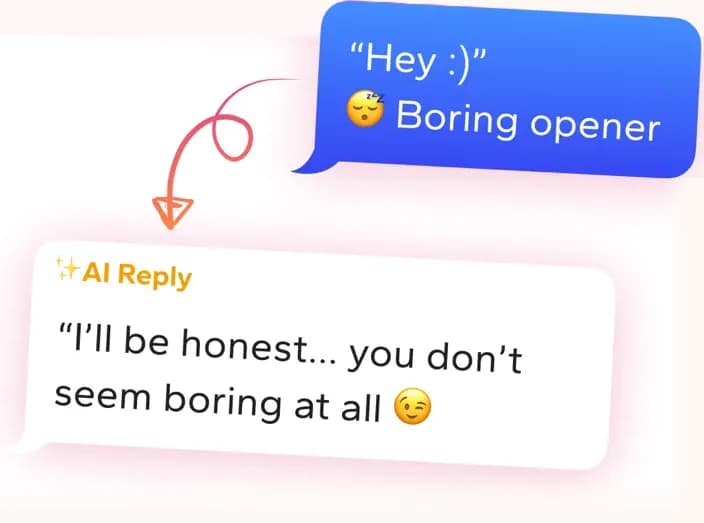
Get replies that sound like you
Screenshot the conversation in WingAI. It reads the vibe and gives you natural replies for this exact situation.
Try for freeRizz AI Screenshot the chat and get the next message for this person.
The silence after daily contact tells you exactly what happened
When someone ghosts you, the timeline matters. If you were texting every day or every other day and suddenly nothing for days, that's a deliberate stop. That's not busyness. Busy people send a quick 'swamped, catch you soon' message. Ghosters go silent.
The reason they come back after days or weeks is simple. They got bored, things cooled off with whoever else they were talking to, or they want validation. When they resurface with something casual like 'hey been crazy busy' or send a meme, they're testing whether you'll jump back in. They're not apologizing. They're not explaining the gap. They're acting like the silence never happened.
Your reply either resets expectations or closes the door
You have two moves here, and they depend on what you want. If you want to keep things open, you respond after a delay, keep it short and light, and don't address the ghost. You're not rewarding the behavior, but you're also not slamming it shut. You match their tone and energy, which is casual. You do not ask where they've been or act hurt.
If you're done, you don't respond at all. Silence back is clean. The second move is better if they ghosted multiple times or if the silence was over a week. The first move works if you actually like them and can accept that this is how they handle stress or uncertainty.
Wait for them to show they're back before you engage again
Don't send a message in response to their return. Wait at least as long as they ghosted before you reply. If they vanished for 5 days, don't answer in 2 hours. They need to see that your time has value. When you do reply, one short message that moves the conversation forward, not one that invites them to explain.
If they ghost a second time after you let them back in, that's your answer. They're telling you they can't commit to consistent contact. There's no good reason to respond the third time. Stop checking. They've shown you the pattern twice.
Why these replies fail
“Hey, haven't heard from you in a few days. Everything okay? Miss talking to you.”
You're giving them an easy out and making them feel wanted despite their silence, which teaches them it's fine to disappear.
“Cool so I guess you got tired of me lol”
This is sarcastic blame, which either triggers defensiveness or lets them off the hook with an apology that doesn't mean anything.
“I've been thinking about you and I'd love to take you out when you get back. No pressure though!”
You're chasing them and signaling that you'll wait around. This rewards the ghosting.
Common mistakes
- Sending multiple messages after they go silent, which trains them to ignore you longer
- Responding instantly when they come back, as if nothing happened
- Asking 'did I do something wrong?' which gives them a way back in without accountability
- Staying available and engaged after the ghost, hoping they'll feel bad and re-engage
- Assuming they're dead or in hospital rather than seeing the pattern for what it is
Questions people ask
- Is ghosting ever not that bad?
- Early on, after one or two dates, it stings but it's common. Three or more dates of connection, then silence, is intentional. The longer you talked and the more personal it got, the worse ghosting is. Duration and depth matter.
- Should I call them out for ghosting?
- No. Calling it out makes you sound bitter and gives them a chance to apologize without changing. They know what they did. If they come back with 'sorry I was crazy busy,' you can respond or not, but don't lecture them.
- What if they message me months later?
- That's a guilt pop-in or they're bored. You can respond if you're curious, but keep it short. Don't make them feel like they got away with it. If you want to see them again, make them earn the meet. If you're over it, you can ignore it.
- Does ghosting mean they weren't interested?
- Not always. Sometimes they were interested but scared, or they were juggling multiple people and you lost out. Sometimes they just got overwhelmed. What matters is they showed you they can't handle honesty. That's the real thing to know.
What people say after using WingAI
“I overthink every text. Having three options and picking the one that sounds like me cut that spiral short.”
Sam R.
“I was skeptical at first. Then I tried it on a dry chat and the replies actually sounded like me, not a chatbot.”
Mazoonx
“She went cold mid-week and I had no idea what to say. The reply I sent felt natural and she picked the chat back up.”
Marcus T.
Get replies that sound like you
Screenshot the conversation in WingAI. It reads the vibe and gives you natural replies for this exact situation.
Try for free