What breadcrumbing means and whether to respond
Breadcrumbing is sporadic low-effort contact to keep you interested without dating intent. Learn how to read it and decide if a reply makes sense.
Breadcrumbing happens when someone texts you occasionally, months or weeks apart, with no real conversation or plans. They react to your stories, send you memes, or check in just enough to keep you on the hook. The pattern matters more than any single message. One text could be nothing. A pattern of vague, effort-free contact over time signals they want your attention without giving theirs.
You should respond only if you're okay with that dynamic continuing. A good reply makes your actual availability clear without being angry or needy. You force them to either step up or fade. The goal is to stop being a backup option by accident. That means your message answers a simple question: are you actually interested in meeting, or are you just collecting responses?
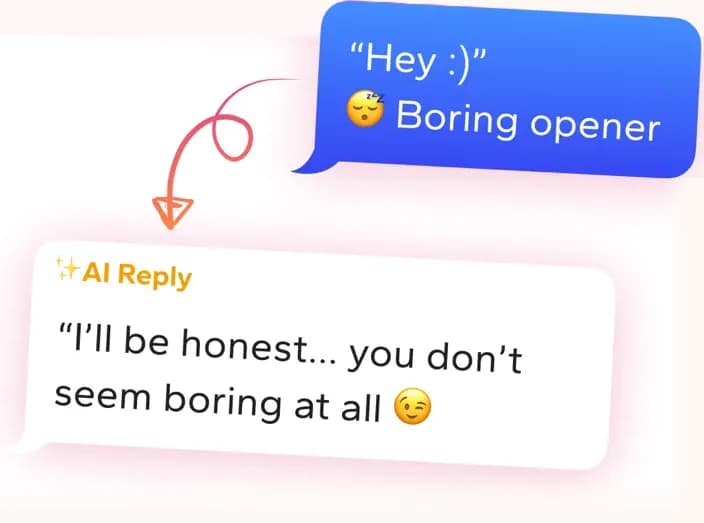
Get replies that sound like you
Screenshot the conversation in WingAI. It reads the vibe and gives you natural replies for this exact situation.
Try for freeRizz AI Screenshot the chat and get the next message for this person.
Weeks of silence between texts is the diagnosis
One flaky message is just a bad day. Breadcrumbing is a pattern: they disappear for three weeks, send you something low-stakes, you engage, they vanish again. You'll notice the contact comes when they're bored, after 11pm, or when they see you've moved on. They never ask questions about your life or suggest meeting. If you look back and see three or more instances of them reaching out after long gaps with no follow-up, you're being breadcrumbed. The time between messages matters more than what the messages say.
Your reply needs to make continuation hard
A solid reply does two things at once. First, it forces them to either engage with you as a person or drop off. Ask them something specific about what they said, or reference something real about them you remember. Don't just reply to the vibe. Second, mention an actual plan or your actual life in a way that makes it clear you're not sitting around waiting. The reply should feel like you're someone with things going on, not someone grateful they texted. The goal is for them to either invest or move on. Either way you win.
Wait a day, then let it go if nothing comes back
Send your reply when you're not thinking about them, ideally during the day. Don't reply at 11pm just because they texted at 11pm. Give them a week to respond with something real. If they come back with another low-effort message or take three days to reply, don't keep chasing. At that point you're choosing to keep being breadcrumbed. Stop initiating with them. If they message again weeks later with the same pattern, you already know what they want. Either set a boundary in that next reply or block them. Staying available to someone who only wants attention when it suits them is a choice you're making.
Why these replies fail
“hey! missed you”
Mirrors their low effort and makes you look like you've been waiting for them to reach out.
“lol funny how you only text when you want something”
Calls them out in a way that makes you look bitter and keeps the focus on your feelings instead of moving forward.
“hey, are you actually interested in getting to know me or...?”
Asks them to define the relationship and gives them an easy out without putting yourself out there first.
Common mistakes
- Matching their low effort with your own just extends the breadcrumbing indefinitely
- Over-explaining why they hurt you gives them attention they don't deserve
- Going silent hoping they'll miss you and come back harder almost never works
- Asking 'what are we?' turns you into the emotional one they can avoid
- Replying immediately every time trains them that you'll always be available
Questions people ask
- Is breadcrumbing always intentional?
- Sometimes. Some people do it on purpose to keep options open. Others are just bad at consistency or don't think about you between messages. Either way, the impact is the same: you're not their priority. Your response doesn't need to assume intent. Just respond in a way that makes it clear you need more than sporadic attention.
- Should I ever call them out directly?
- Only if you're ready to end the connection. A direct 'I feel like you only text when...' usually makes them defensive or they disappear faster. Your reply should show through actions, not words, that you're not available for crumbs. If they ask what's wrong, then you can be honest.
- What if they come back with a real effort after I set a boundary?
- Give it two or three exchanges to see if it's consistent. One good message doesn't undo a pattern. Watch whether they follow up, ask questions about you, and suggest meeting. Real interest shows up as sustained effort, not a one-time correction.
- How do I know if I should just ignore them completely?
- If your gut reaction to their message is annoyance or dread instead of curiosity, ignoring is fine. You don't owe them a reply that explains why you're moving on. One polite non-reply won't hurt them. If they keep trying after that, then a clear 'I don't think this is going anywhere' works. But silence is a complete answer too.
What people say after using WingAI
“I was skeptical at first. Then I tried it on a dry chat and the replies actually sounded like me, not a chatbot.”
Mazoonx
“I overthink every text. Having three options and picking the one that sounds like me cut that spiral short.”
Sam R.
“She went cold mid-week and I had no idea what to say. The reply I sent felt natural and she picked the chat back up.”
Marcus T.
Get replies that sound like you
Screenshot the conversation in WingAI. It reads the vibe and gives you natural replies for this exact situation.
Try for free