What a single period means in a text message
A period at the end of a casual message signals finality and distance. Learn what it means and how to respond without overreacting.
A single period is a tone marker. In casual texting, it creates a full stop that feels deliberate and cold compared to no punctuation at all. When someone writes "ok." instead of "ok" or "ok!", they're signaling they're done with the conversation or mildly frustrated. It's not always a rejection, but it is a door closing.
The period became loaded because most people don't use punctuation in casual texts. Your brain notices the absence of warmth and reads it as withdrawal. A good reply acknowledges the shift without making it bigger than it is. You're showing you read the temperature change and respond by either lightening things up or giving space. Either move works. Panic and over-explain does not.
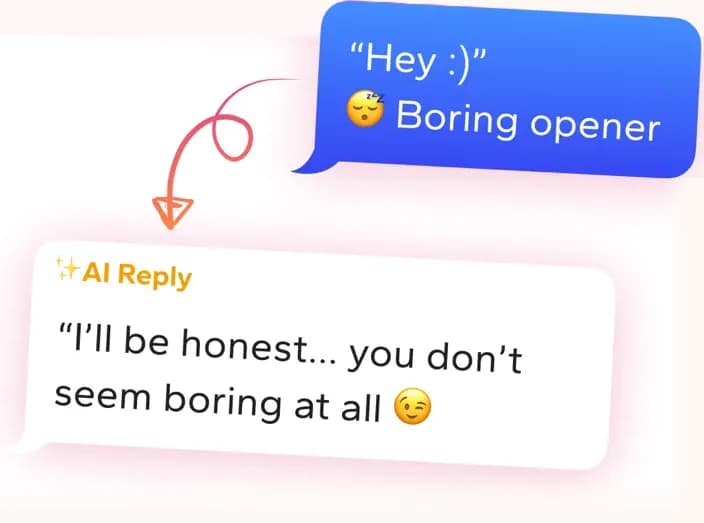
Get replies that sound like you
Screenshot the conversation in WingAI. It reads the vibe and gives you natural replies for this exact situation.
Try for freeRizz AI Screenshot the chat and get the next message for this person.
Why a period feels different than no punctuation
In text, punctuation is optional. When someone adds it anyway, it's intentional. A period at the end of a casual short message stands out because it mirrors how formal writing looks. Your brain reads it as the person being deliberate about ending the thought, and in casual context, deliberate often means distant or irritated.
This doesn't mean they hate you. It means the conversation has lost momentum or they're signaling they want to move on. Sometimes it's frustration. Sometimes they're just tired or distracted and hit send without thinking about tone. The period alone doesn't tell you which. Context matters. Is this the first time or a pattern? Did something just happen, or has the text chain been fizzling?
How to reset without chasing or matching their distance
A good reply does two things. First, it shows you're not fragile or reading too much into punctuation. Send something light and real that moves the conversation forward instead of dwelling on the awkwardness. Second, it keeps the door open without being needy.
You can do this by being direct in a low-pressure way, or by simply ignoring the period and sending something that invites them back in naturally. The goal is to signal you're still here and things are normal, without demanding they engage or over-explaining yourself. A throwaway comment about something else, a question they can answer, or a light callback to something you were discussing all work. You're essentially saying the period didn't phase you.
When to wait versus when to send another message
If the period ends a back-and-forth conversation, pause for a few hours. Let them reset their own mood. Sending another message immediately after looks like you're hurt or scrambling, which hands them control.
If a day passes with no new message and you have something real to say, send it. Don't wait longer than that hoping they'll come around. After three days of silence following a period, accept they're not that interested right now. A single follow-up message is a courtesy. A second one is chasing. If they want to engage, your first follow-up gives them the opening. If they don't respond to that, stop. Let them come back if they want to.
Why these replies fail
“hey I'm sorry if I said something wrong, I didn't mean to upset you”
This assumes you did something wrong and puts the burden on them to reassure you, making it about managing your anxiety instead of theirs.
“ok cool.”
Mirroring their curt tone back escalates the coldness and turns it into a real standoff instead of one person just being brief.
“??”
Calling out the period directly makes the awkwardness the whole conversation, when the move is to act like you didn't notice.
Common mistakes
- Sending multiple follow-up messages to explain yourself or reframe what you said
- Matching their tone by getting curt back, escalating the tension
- Writing a long message trying to restore warmth when they've signaled they need space
- Ignoring it and texting normally as if nothing happened
- Asking directly what's wrong or if you did something, putting pressure on them to manage your feelings
Questions people ask
- Does a period always mean someone is mad at me?
- No. It means they're done with that specific exchange. They might be tired, distracted, or just closing out the conversation. Mad is one possibility, but not the default. Look at the full context. Is this a new shift or part of a pattern? Did something just happen?
- Should I address the period directly and ask if everything is okay?
- No. Calling it out makes you look insecure and puts them on the spot to manage your feelings. If something is actually wrong, they'll tell you or show you through their actions. Direct questions when there's no real sign of trouble come across as needy.
- How long should I wait before sending another message?
- A few hours minimum. If you're the one sending the next message, wait until you have something real to add to the conversation, not just a filler follow-up. Sending multiple messages in quick succession looks like you're panicking.
- What if they keep using periods and short messages?
- That's a pattern, not a one-time tone shift. They're signaling they're not that invested right now. You can try once more with something that actually interests you both, but if it continues, accept they're pulling back. Don't keep trying to revive something they're losing interest in.
- Is a period worse than no response at all?
- A period is actually a response. It means they read your message and chose to send something back, even if brief. No response means they haven't engaged yet or don't want to. A period is still a connection, just a cold one.
What people say after using WingAI
“I overthink every text. Having three options and picking the one that sounds like me cut that spiral short.”
Sam R.
“I was skeptical at first. Then I tried it on a dry chat and the replies actually sounded like me, not a chatbot.”
Mazoonx
“She went cold mid-week and I had no idea what to say. The reply I sent felt natural and she picked the chat back up.”
Marcus T.
Get replies that sound like you
Screenshot the conversation in WingAI. It reads the vibe and gives you natural replies for this exact situation.
Try for free