How to text about exclusivity without pushing too hard
Texting advice for bringing up exclusivity with someone you're seeing: when the timing works, how to phrase it, and how to read what comes back.
Picture the person on the other end of your message. They may have been enjoying the ease of the last few weeks without ever naming it, and a text that raises exclusivity forces them to look at something they've been leaving blurry. Some people feel relief when it comes up. Others feel a small jolt, because a question about commitment arrives on the same screen as memes and dinner plans, and there's no face to soften it. Neither reaction means they dislike you. It usually means they need a moment to sort out what they feel before deciding what to say.
Your aim is clarity about where you stand, and the way to get there is to say what you want without attaching a deadline or a verdict to it. You're informing them, not auditing them. A message that states your own position leaves them free to answer from their own feelings. A message that demands an inventory of their other dates makes them defend themselves first and respond to you second. If what you want is a real answer instead of a polite stall, the first approach is the one that gets it.
Text changes the stakes in a few specific ways. There's no tone of voice, so a short line that sounds warm in your head can read as clipped on their end. They also choose when to open it, which means it might land while they're on a train, in a meeting, or halfway through a bad day. Timing matters more than wording here. Send it when they're likely to be unhurried, such as a weekend morning or an early evening, and avoid the hours right after a flaky or strained exchange. Also consider whether you'll see them within a few days anyway. If so, a text can simply open the door to talking in person, while the full conversation waits.
What backfires is usually a message that carries your anxiety instead of your preference. Hedging, stacking qualifiers, or wrapping the question in jokes tells them you expect a no, and people tend to mirror the energy they receive. Ultimatums fail differently. They produce a quick yes that means little or a defensive no that ends things before the real conversation starts. Sending several messages in a row is another trap, because the second and third texts read as pressure even if the first was calm. One clear message, then patience.
Reading the response takes some restraint. A fast, warm reply that engages with the question is the easy case. A slow reply that is thoughtful is also a good sign, since some people need to think before committing to words. Vague enthusiasm paired with no mention of exclusivity is a soft dodge, and it's worth gently asking about it once. Silence after the message, especially from someone who texted daily before, deserves to be taken as an answer after a reasonable wait. Look at how they behave over the following days, not just the wording of one reply.
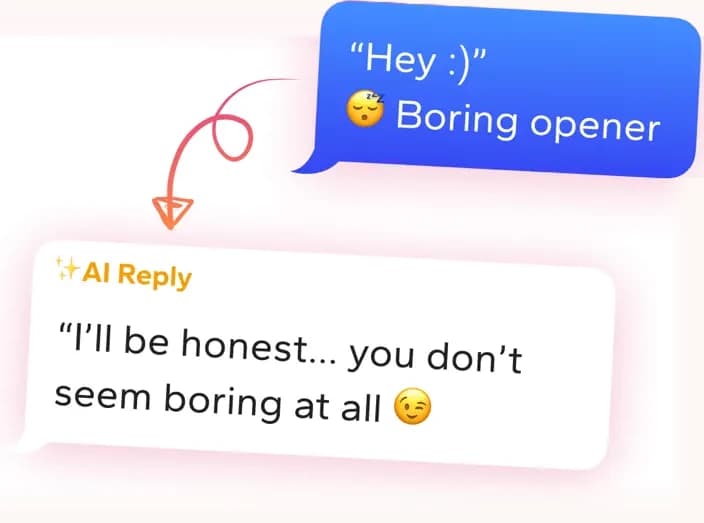
Get replies that sound like you
Screenshot the conversation in WingAI. It reads the vibe and gives you natural replies for this exact situation.
Try for freeTexting AI Screenshot the thread on your phone and get the next text.
Check the baseline before you text
A text about exclusivity lands well when the contact before it has been steady. If they've answered within a few hours most days, made plans in advance, and brought up future things like a concert next month, you have a foundation. If you're decoding every pause and wondering whether they like you at all, the message will carry that uncertainty and come across as a request for reassurance. Slower replies for a day or two are ordinary life. A sustained drop from daily contact to scattered contact is worth sitting with before you raise anything. Settle your own read first, then decide whether the question belongs in a text at all.
Say what you want, not what you suspect
The strongest version of this message is built from your own side: that you like them, that you aren't seeing other people, and that you'd like to be exclusive. Leave out guesses about what they might be doing. Asking whether they're dating others puts them on trial, and any answer sounds like an excuse. Stating your preference and then asking if they feel the same gives them an easy way to say yes and an honest way to say not yet. Keep it to a few sentences. A paragraph reads like a case being argued, and a short line reads like a relaxed person who knows what they want.
When to wait and when to pick up the phone
If you see each other weekly, the better move is often to say it in person, or to text only enough to arrange a call. If your schedules keep you apart for weeks, a short text is fair, because the alternative is months of drift. Pick the moment with care. Avoid sending it during their workday, late at night, or right after an awkward exchange. Once it's sent, don't hover over the thread. Go do something with your evening. If a full day passes with nothing, one light message that gives them a low pressure way back into the chat is enough. After that, let their behavior speak.
Questions people ask
- Is it okay to ask about being exclusive over text?
- Yes, when you rarely see each other or live far apart. Keep it short, state your own feelings, and ask how they see it. If you meet weekly, text only to set up a conversation in person, since tone is hard to carry in writing.
- How long should we date before asking to be exclusive?
- Often around the one or two month mark, after you've spent regular time together and know you want more. If you're already sleeping together, meeting each other's friends, or acting like a couple, the talk is overdue and waiting longer only adds confusion.
- What if they say they aren't ready to be exclusive?
- Ask what ready would look like for them, whether it's about timing or about how they feel about you. If it's timing, agree on a specific point to revisit. If they're unsure about you, that's useful to hear, and you can decide whether to keep waiting.
- What should I do if they don't reply after I bring up exclusivity?
- Give it a full day, then send one light message that makes replying easy and doesn't repeat the question. If nothing comes back after that, treat the silence as their answer. Chasing a third time rarely produces a better result and costs you dignity.
Why these replies fail
“So I don't want to waste my time if you're not serious. Are we exclusive or not?”
It frames the question as a threat to leave, so they answer the ultimatum instead of how they feel about you.
“I really like you and think we should be exclusive. When can we talk about this?”
Asking when to talk makes a simple preference sound like an emergency and leaves them dreading the call instead of answering.
“So are you dating other people right now? Because I'm not and I was wondering if maybe you weren't either?”
The pile of qualifiers hides what you want, so they have to guess at your meaning and a vague reply is almost guaranteed.
Common mistakes
- Sending the exclusivity text right after a stretch of slow replies, which makes it read as an anxious demand for reassurance instead of a calm statement of preference.
- Following up with extra messages within hours because they haven't answered, which turns one clear question into a pressure campaign.
- Asking for a yes or no on the spot, when they may simply need a day or two to sort out their feelings before answering honestly.
What users say
“I was skeptical at first. Then I tried it on a dry chat and the replies actually sounded like me, not a chatbot.”
Mazoonx
“I overthink every text. Having three options and picking the one that sounds like me cut that spiral short.”
Sam R.
Get replies that sound like you
Screenshot the conversation in WingAI. It reads the vibe and gives you natural replies for this exact situation.
Try for free