Ask questions or listen when meeting his friends
Balance asking and listening when you meet his friends. Know when curiosity reads as real interest versus when it makes you look nervous.
When you're meeting his friends for the first time, you're balancing two competing instincts: wanting to make a good impression by showing interest, and worrying that asking too many questions makes you seem anxious or like you're interviewing them.
The real signal here is whether you're asking questions to learn something or asking them to fill silence and prove you belong. His friends pick up on that difference fast. They notice if you're actually curious about their lives versus if you're rapid-firing questions like a checklist.
The move is simpler than it feels: ask one real question, then listen and build on what they actually say. When the conversation naturally dries up, you can ask another one. This looks relaxed and makes people want to talk to you.
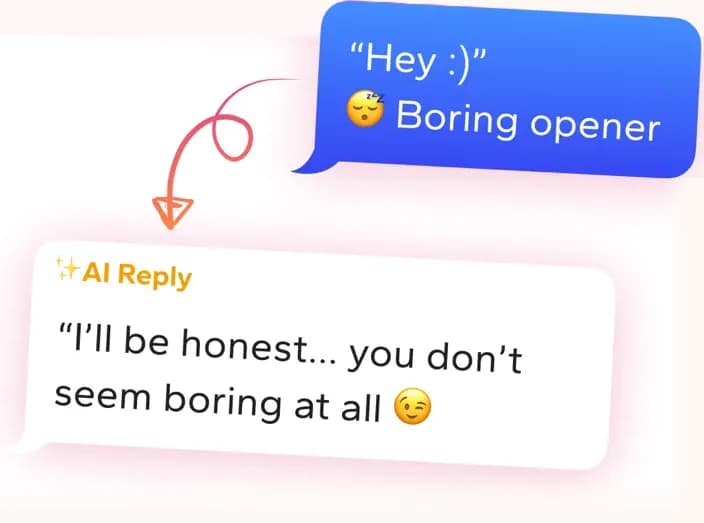
Get replies that sound like you
Screenshot the conversation in WingAI. It reads the vibe and gives you natural replies for this exact situation.
Try for freeRizz AI Screenshot the chat and get the next message for this person.
The difference between curiosity and nerves
A curious question grows from something someone just said. You heard them mention they took a trip, so you ask where. A nervous question is generic and disconnected, like asking someone what they do for work when nobody else brought up jobs yet.
His friends will feel the difference. One makes them want to keep talking. The other makes them wonder if you're okay. The tell is whether you're building on the conversation that's already happening or introducing a new topic because you need to fill space.
What listening actually does in a group setting
Listening isn't just being quiet. It's the stuff you do while someone's talking: reacting when they say something funny, making eye contact, nodding at points that matter. People remember how you made them feel way more than they remember what you asked.
When you actually listen and let a story play out, you don't have to force questions. You'll naturally ask follow-ups because you actually care where it's going. And when there's a lull, you can laugh about something that happened or mention something relevant. That reads as relaxed instead of desperate.
Stop asking once the conversation moves on naturally
If someone gives you a one-word answer or quickly moves the conversation elsewhere, that's a signal to drop the topic. Pushing another question in shows you didn't read the room. Just let it go and participate in whatever the group's talking about now.
If you're stuck and things feel awkward, it's fine to say something that adds to the moment instead. Comment on the venue, the food, something happening right then. That beats another question every time.
Why these replies fail
“Oh cool! So how long have you been doing that? And do you travel a lot for it? Have you always lived in the area? What's your favorite restaurant there?”
Machine-gun questions make you sound nervous and like you're checking boxes instead of having a real conversation.
“That's nice.”
Agreeing without adding anything to the conversation signals you're not actually interested or that you're uncomfortable.
“I probably shouldn't talk much since this is the first time meeting everyone. I'll just listen and not mess it up.”
Signaling your anxiety out loud makes everyone else uncomfortable and draws attention to your nervousness instead of past it.
Common mistakes
- Asking back-to-back questions without reacting to their answers, which makes you look anxious and stiff
- Staying completely silent because you're worried about asking the wrong thing, which reads as uninterested or cold
- Asking surface-level questions about jobs and hometowns instead of picking up on things they actually mention
- Treating it like a one-on-one conversation when it's really a group dynamic where listening and laughing matter more
- Following up every answer with another question instead of making statements or sharing a reaction
Questions people ask
- What if I don't know anything about their interests yet?
- Ask one thing tied to what's actually happening. If someone mentions work or a hobby, ask a real follow-up about it. If nothing's come up yet, comment on the moment instead of forcing a question. People warm up faster when you're present than when you're fishing for things to ask about.
- How do I know if I'm asking too many questions?
- If you're asking more than one question per person per conversation, that's too many. If you notice you're asking questions but not really listening to the full answer before the next one comes out, you're definitely asking too much. Real conversation flows back and forth.
- Should I ask his friends personal questions or keep it light?
- Start with light stuff that came up naturally, then let it deepen if they want it to. Don't dig into relationships or family drama right away. Let them decide how personal to get. People open up when they feel comfortable, not when they're being interviewed.
- What if there's an awkward silence?
- Don't panic and fill it with a question. Laugh at something that happened, mention something relevant to the group, or just let it sit for a second. Most silences feel longer to you than they actually are. A relaxed pause beats a desperate question every time.
What people say after using WingAI
“I was skeptical at first. Then I tried it on a dry chat and the replies actually sounded like me, not a chatbot.”
Mazoonx
“I overthink every text. Having three options and picking the one that sounds like me cut that spiral short.”
Sam R.
“Used it for a couple hours and set up a date the same night. Not even kidding.”
Nikola2214
Get replies that sound like you
Screenshot the conversation in WingAI. It reads the vibe and gives you natural replies for this exact situation.
Try for free