Should you apologize over text after a small argument
When to apologize by text after a disagreement, what to say, and what moves actually work to rebuild things fast.
After a small argument, text feels risky. You're not sure if apologizing looks weak, if she's still annoyed, or if reaching out will make it worse. The truth is simpler. She's waiting to see if you care enough to fix it, and text is actually the right move right now because it's fast and low-pressure.
A solid apology text does two things at once. It owns the part that was your fault without making it about your feelings. And it signals you're ready to move forward without needing to rehash everything. The goal is to break the tension, not win the argument or convince her you were right.
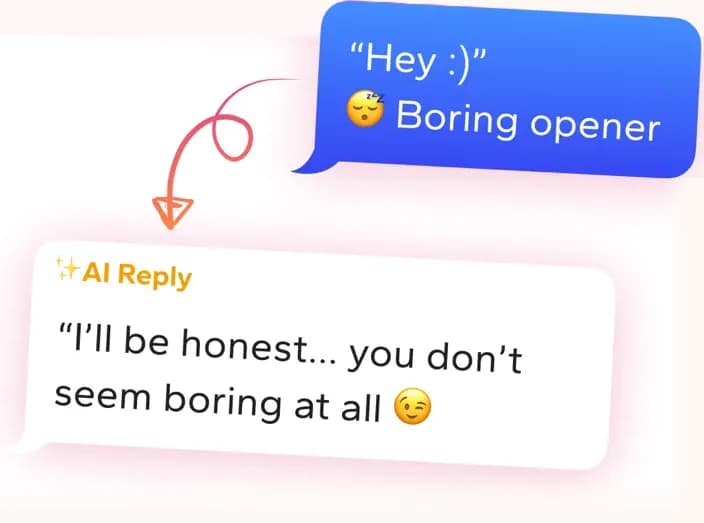
Get replies that sound like you
Screenshot the conversation in WingAI. It reads the vibe and gives you natural replies for this exact situation.
Try for freeRizz AI Screenshot the chat and get the next message for this person.
She's silent because she's waiting to see if you care
After a small argument, silence doesn't always mean she's furious. Often it means she's giving you space or waiting to see what you do next. She's testing whether you'll take it seriously or just let it blow over. If you don't reach out, the story she tells herself is that you didn't care enough to fix it. That's what turns a small thing into a real problem.
The timing matters because the longer you wait, the more she'll start assuming you're annoyed with her or that you've moved on without resolving it. Text her within a few hours, while you both still remember why it mattered.
Apologize for the specific thing you did, not your feelings
A good apology text names what you did wrong and stops there. Don't defend yourself, don't explain your mood, and don't make her comfort you. Just be specific about the behavior that landed badly. 'I was dismissive when you brought that up' works. 'I hate fighting with you' doesn't, because it shifts focus to how you feel.
After you've said what you did, add one forward-looking line that shows you're ready to move past it. This isn't about promising never to mess up again. It's about showing her you understand why it mattered and you're not going to dwell on it. Keep it short enough that it feels confident, not pleading.
Send it immediately and respect how long she takes to reply
Send it as soon as you've decided to apologize. Don't sit with it or overthink the wording. A text sent within a few hours shows you care about fixing it fast.
If she responds right away, she's ready to move forward. If she takes a few hours to reply, give her that space. Don't send a follow-up or try to restart the conversation before she answers. If she doesn't reply by the next day, she might still be cooling off. In that case, one simple check-in message works. Anything beyond that is chasing, and it signals desperation, not care. After that, wait for her to come back.
Why these replies fail
“I'm sorry you felt that way, but I was just being honest and you took it the wrong way”
The 'but' erases the apology and makes it about her being too sensitive instead of your behavior being the problem.
“I hate that we fought. You mean so much to me and I don't want to lose you over something stupid.”
It centers your feelings and fear instead of acknowledging what you actually did wrong, so it feels like you want reassurance instead of making amends.
“Okay look, I'm sorry for getting defensive. I was stressed about work and wasn't thinking straight. Can we just move past this?”
Explaining your mood sounds like an excuse and the 'can we move past it' asks her to comfort you instead of letting her feel heard first.
Common mistakes
- Over-explaining or defending your side instead of just apologizing for how you acted
- Waiting more than a few hours, which turns a small fight into a bigger rift
- Making it about your feelings ('I hate when we fight') instead of her experience
- Apologizing but adding 'but' or conditions that take it back
- Sending a long paragraph when a short, clear one does more work
Questions people ask
- Should I apologize over text or wait to talk in person?
- Text first. Waiting to talk in person can feel like you're avoiding it and gives tension more time to build. A text apology breaks the ice fast and shows you're not letting the argument sit. You can talk in person later, but don't wait for it.
- What if I'm not sure what I did wrong?
- Think about what you said or did that made her react, not whether you think you were right. Apologize for that specific action or tone. If you're unsure, ask. 'I want to make this right. What part bothered you most?' is honest and shows you actually care about her perspective.
- How long should the apology text be?
- Two to three sentences max. One sentence identifying what you did. One sentence showing you understand why it mattered or how it affected her. One line moving forward. Anything longer reads like you're trying to convince her you're sorry, which contradicts actually being sorry.
- What if she doesn't respond to my apology?
- Wait until the next day before assuming she's still upset. If she doesn't reply by then, one short check-in message works. After that, drop it. She either needs time or the message landed wrong. Sending more will only make it worse.
What people say after using WingAI
“I was skeptical at first. Then I tried it on a dry chat and the replies actually sounded like me, not a chatbot.”
Mazoonx
“She went cold mid-week and I had no idea what to say. The reply I sent felt natural and she picked the chat back up.”
Marcus T.
“I overthink every text. Having three options and picking the one that sounds like me cut that spiral short.”
Sam R.
Get replies that sound like you
Screenshot the conversation in WingAI. It reads the vibe and gives you natural replies for this exact situation.
Try for free