Should you delete dating apps after things end badly
When to keep apps vs delete them after a breakup or rejection. What deleting signals and whether it actually helps you move on.
After things fall apart with someone you met on an app, you face a choice: leave the apps installed or delete them. The question matters because deletion can feel like a reset or a punishment, but it can also look like you're running from dating entirely. What you're trying to accomplish is the real issue here.
Good responses to this do two things. They help you separate your feelings about what happened from what actually serves you going forward. And they give you a clear frame for deciding: are you deleting because you need space to heal, or because you're blaming the apps for a bad outcome that wasn't really the app's fault.
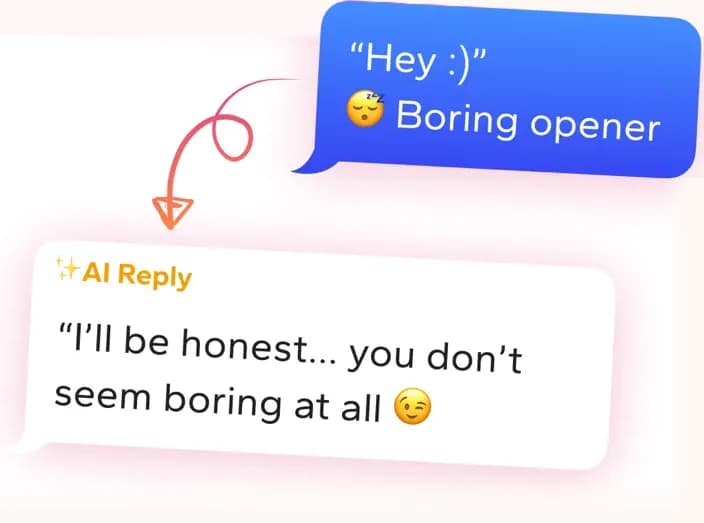
Get replies that sound like you
Screenshot the conversation in WingAI. It reads the vibe and gives you natural replies for this exact situation.
Try for freeRizz AI Screenshot the chat and get the next message for this person.
Ghosting doesn't mean the app failed you
Ghosting happens on apps because ghosting happens. It's not unique to dating platforms. Deleting the app won't change someone's character or their ability to disappear. What matters is whether you're conflating two separate things: your pain about what happened with the app being the problem.
The app gave you access. What someone did with that access is on them. If you delete because you're hurt, that's honest. If you delete because you think it will prevent future rejection, you're outsourcing control to an object. The work you need to do is internal. It's about learning to read signals earlier, deciding what you want from matches faster, or accepting that some people will leave without explanation no matter where you meet.
Deletion works only if it's about recalibration
Staying off apps for a week or two after a painful situation can be valuable. It gives you time to stop refreshing for messages, to feel the full weight of what happened without the distraction of swiping, and to remember who you are outside of dating. That's worth doing.
But deletion as a permanent response to one bad outcome usually backfires. You come back in six months or a year, re-download, and encounter the same internal issues that caused problems before. The real move is taking a break if you need one, then returning with changed behavior. Are you swiping while bored or lonely? Are you messaging too fast? Are you ignoring red flags because someone is attractive? Fix those first. Deleting won't.
The timing of when to delete matters more than whether
If you delete apps in the first 48 hours after rejection, you're making a decision from pain. Wait at least a week. By then you'll know if you need space because dating feels overwhelming, or if you're just angry and want to punish yourself.
If after a week you still feel relief at the thought of apps being gone, delete them. Reinstall when you feel curious about meeting someone again, not when you feel like you 'should' be dating. If you delete and come back within days to check messages, you know deletion wasn't the answer. You need to address the pull itself. That usually means getting busy, talking to friends, or being honest that you're not ready to stop looking.
Why these replies fail
“Honestly apps bring out the worst in people anyway. I'm deleting mine forever. Dating is better offline.”
Generalizes from one bad experience to all platforms and all people, sounds like you're avoiding rather than healing.
“I'm deleting my apps right now so I can focus on myself and come back better.”
Deletion is a gesture, not a practice. Coming back better requires work, not app deletion. This skips the actual change.
“Maybe I should just give up on dating apps entirely and wait for it to happen naturally.”
Conflates apps with dating itself, and 'naturally' usually means passive hoping rather than active choices about what you want.
Common mistakes
- Treating app deletion like a moral choice rather than a practical one about your own headspace
- Deleting apps immediately after rejection when you haven't had time to process what actually went wrong
- Keeping apps active as a way to 'prove' you're over it, when you're actually not ready to engage
- Confusing needing a break from dating with needing a break from apps specifically
- Assuming deletion will change your dating outcomes rather than looking at what patterns repeat
Questions people ask
- Is deleting apps after a breakup a healthy way to move on?
- Only if you're using deletion as a bounded break, not as a permanent solution to a painful outcome. A week or two off apps can help reset your emotional state. Permanent deletion usually means you're blaming the tool rather than examining your own patterns in dating.
- What's the difference between taking a break and deleting for good?
- A break is time-bound and purposeful. You know when you'll return and what you'll do differently. Deletion for good often feels like punishment or escape. The healthier move: uninstall apps, stay off for a set time, then return when your curiosity about meeting someone outweighs your fear of being rejected again.
- Will deleting apps help me stop thinking about the person who ghosted me?
- No. Time and distance help. Deleting the app just removes the object you refresh for messages. The rumination happens in your head, not on your phone. You process ghosting by accepting that someone chose not to show up, not by hiding the app where they contacted you.
- Should I tell the person I'm deleting apps because of them?
- No. If they ghosted you, they've already made their position clear by leaving. Telling them you're deleting apps either looks like you're making it their responsibility to care, or like you're hoping they'll respond. Neither is yours to manage. Handle deletion silently.
What people say after using WingAI
“Used it for a couple hours and set up a date the same night. Not even kidding.”
Nikola2214
“I overthink every text. Having three options and picking the one that sounds like me cut that spiral short.”
Sam R.
“I was skeptical at first. Then I tried it on a dry chat and the replies actually sounded like me, not a chatbot.”
Mazoonx
Get replies that sound like you
Screenshot the conversation in WingAI. It reads the vibe and gives you natural replies for this exact situation.
Try for free