Is texting every day too much in a relationship
Daily texting in relationships is normal for most couples. Learn what frequency actually signals and how to respond when it feels like too much.
Daily texting in established relationships is standard. Most couples do it. The real question is what the pattern means and whether you're comfortable with it.
When someone asks if daily texting is too much, they're usually dealing with one of a few things. The frequency feels suffocating. The emotional tone is draining. Or the expectation of constant availability is creeping up on them. These are different problems with different solutions.
Your reply needs to either reset the baseline (daily is normal, here's how we make it work) or name what's actually bothering you. It's not the frequency. It's the intensity or the pressure. Being vague about it makes the other person guess, and they'll usually guess wrong.
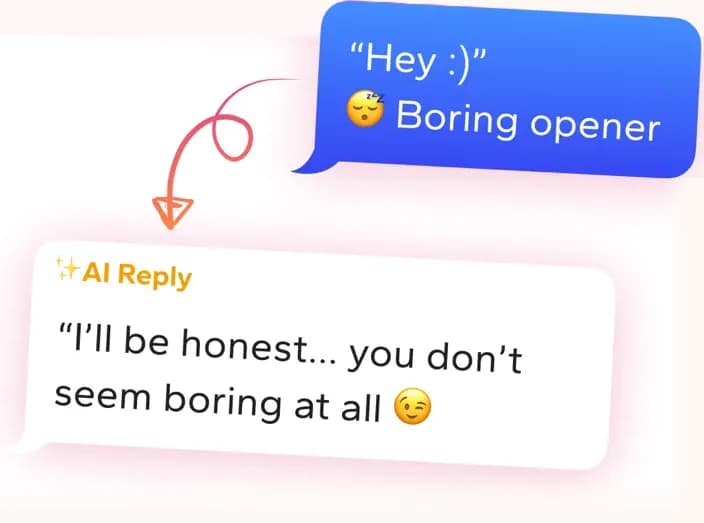
Get replies that sound like you
Screenshot the conversation in WingAI. It reads the vibe and gives you natural replies for this exact situation.
Try for freeTexting AI Screenshot the thread on your phone and get the next text.
What daily texting usually means in an established relationship
Daily texting is not a red flag. It's background noise in most relationships. People text because they have something to say, they want to stay in the loop, or they like the other person. In early dating it's often sparse. Six months in or longer, daily contact becomes the default.
The frequency itself is not the problem. What matters is whether the texting feels collaborative or demanding. Are you both bringing things to share, or is one person carrying the conversation. Is there an unspoken expectation that you reply within minutes, or is it fine to check in when you have time. The tone and rhythm matter way more than the number of messages.
Separating frequency from pressure in your response
Before you reply, figure out what's actually bothering you. Is it the volume of messages or the expectation attached to them. Is it that you feel like you should be constantly available, or is the other person's tone becoming needy. These need different replies.
If it's pure frequency, name that clearly and suggest a rhythm that works for both of you. If it's the pressure or intensity, say so directly. Do not dodge the real issue by just texting less. That creates confusion and resentment. A straightforward reply that says what you're feeling and what you actually need is much harder to misread.
When to bring it up and how long to let it sit
Do not have this conversation over text if you can help it. The person asking about texting frequency probably wants some reassurance, and reassurance lands better when you can actually talk. If you need to text first, keep it short and suggest a call.
If they raised it because they're feeling anxious or insecure, going silent to avoid the topic will backfire. Reply within a few hours. If you need to change your texting habits together, give it at least a week before deciding it's not working. Patterns take time to shift. If after two or three weeks you're still feeling drained or suffocated, bring it back up with specifics about what's not landing for you.
Why these replies fail
“Lol yeah it's fine, lots of couples do it. Doesn't really mean anything”
It dismisses their concern without addressing whether they actually want to change anything, leaving them still confused about the expectation
“If you don't want to text every day we don't have to. I'm fine either way”
It puts the ball entirely back on them without saying what you actually need or prefer, which forces them to make the call alone
“I miss you when we don't text, is that bad?”
It reframes their concern as something wrong with them instead of answering their actual question about what's normal
Common mistakes
- Reassuring without clarifying what normal actually looks like, so they still feel confused
- Agreeing it's too much without finding out what specifically feels heavy
- Making it about missing them instead of addressing the actual complaint
- Going silent to prove a point instead of saying what you need
- Treating daily texting as a relationship problem when it's just a preference thing
Questions people ask
- Is texting every day unhealthy in a relationship?
- Not by itself. Daily texting is normal once you're past the first few weeks. What matters is whether it feels mutual and whether there's pressure attached. Some couples text constantly, others check in once a day. The health part is whether you both feel okay with the rhythm, not the frequency itself.
- How do I know if I'm texting too much?
- You're texting too much if the other person is taking longer to reply, giving shorter answers, or has said they're feeling overwhelmed. If they're matching your energy and responding at a similar pace, you're probably fine. Pay attention to their behavior, not the clock.
- What if I want to text less but they want to text more?
- Tell them directly. Say something like 'I like staying in touch, but I need some space during work' or 'I do better with fewer, longer conversations than constant checking in.' A real compromise is both people shifting toward the middle, not one person sacrificing what they need.
- Does texting every day mean the relationship is serious?
- Not necessarily. Daily texting often starts early because it's convenient, then just becomes habit. Serious relationships can have sparse texting if that's what both people prefer. The frequency is less about commitment and more about how you two like to communicate.
What people say after using WingAI
“I was skeptical at first. Then I tried it on a dry chat and the replies actually sounded like me, not a chatbot.”
Mazoonx
“I overthink every text. Having three options and picking the one that sounds like me cut that spiral short.”
Sam R.
“She went cold mid-week and I had no idea what to say. The reply I sent felt natural and she picked the chat back up.”
Marcus T.
Get replies that sound like you
Screenshot the conversation in WingAI. It reads the vibe and gives you natural replies for this exact situation.
Try for free