Is she interested if she only texts when she needs something
How to tell if she's just using you or actually interested when she only reaches out with requests.
When someone only contacts you to ask for something, it's a real pattern to notice. She might like you but treat you like a utility. Or she might see you as an option when convenient. The difference shows up in what happens after you help her.
A good reply here does two things at once. It answers her request without complaint, then creates a reason for her to reach out that has nothing to do with needing something. You're testing whether she stays gone or comes back when there's no favor involved.
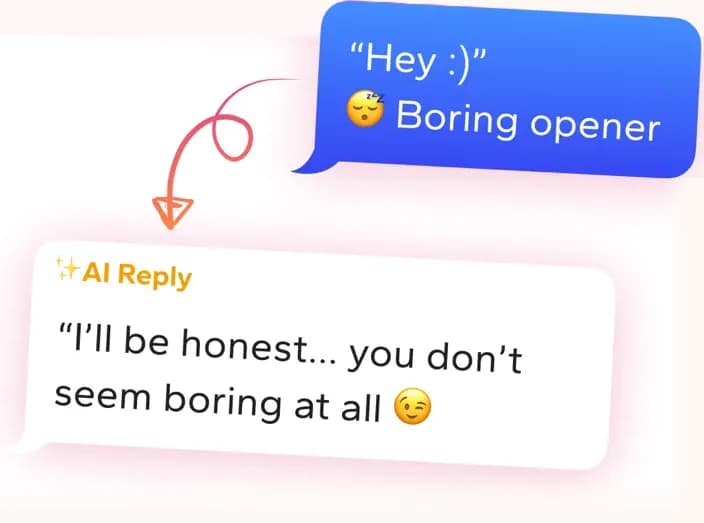
Get replies that sound like you
Screenshot the conversation in WingAI. It reads the vibe and gives you natural replies for this exact situation.
Try for freeRizz AI Screenshot the chat and get the next message for this person.
The only-reach-out pattern and what it actually signals
One text every two weeks asking for a favor is different from one text every two weeks with a mix of favors and just-checking-in. The first is transactional. She's using you as a resource, not a person she wants in her life.
But read the gaps too. If she only texts when she needs something and never responds to your messages otherwise, she's not interested. If she only texts when she needs something but then actually engages when you reply, she might be interested but stuck in a helper habit with you. That's fixable. The way to know the difference is to be helpful once, then step back and watch what she initiates next.
Help her, then shift the dynamic in your reply
Say yes to the request. Not with enthusiasm, not with a long explanation. Just a straight yes and the logistics. Then add a separate thought that has nothing to do with the favor. A comment about something you both like. A question about her life that isn't related to moving boxes. Something that creates a conversational reason to keep talking after the favor is done.
This move accomplishes two things. You're not being used successfully, because you're not punishing her for asking or making it weird. You're also not reinforcing the idea that texting you means getting something without reciprocal interaction. The shift tells her you see her as someone to talk to, not someone to transact with.
Wait after you deliver, then track what comes next
After you help her, give it three to five days. If she texts during that window and it's not about the favor or a new request, she's interested. If she goes silent and only comes back when she needs something else, you have your answer. That's not interest. That's a pattern.
If silence is the response, you can send one more message unrelated to favors about a week later. Something light about your day or hers. If that gets ignored or gets a one-word answer, stop initiating. You've done the test twice. At that point, only respond when she reaches out, and watch whether the requests ever stop.
Why these replies fail
“Sure, I can help. Just let me know the time and I'll be there. Also, I've been thinking about you a lot lately and would love to hang out just the two of us sometime soon.”
It's too eager and makes the favor into a bargaining chip for what you actually want, which reads as needy and makes her feel guilty.
“Actually no, I'm not available this weekend. Let me know if you want to just get coffee and catch up instead though.”
Refusing the favor to redirect her into what you want signals you're keeping score and only willing to help if she dates you.
“Cool, I can help. By the way, I've noticed you only text me when you need something. What's up with that?”
It makes the conversation defensive and puts her on the spot instead of letting the pattern show itself through her actions.
Common mistakes
- Saying yes immediately without any condition, which signals you're fully available as a helper with no boundaries
- Refusing the request to prove a point, which just creates conflict instead of clarity
- Asking accusatory questions about why she only texts when she needs things, which puts her on the defensive
- Being helpful but then ghosting after, which wastes the data you just gathered
- Over-explaining your availability or apologizing for being busy, which reads as low value
Questions people ask
- If I help her with this favor, will she think I'm okay with only being texted when she needs something?
- Only if you help and then disappear or act resentful. If you help and then actually engage in conversation afterward, you're redefining the dynamic. She learns that texting you has social consequences, not just transactional ones.
- How many times should I test this pattern before I give up?
- Test it twice. Help once, shift the dynamic in your reply, and wait to see if she initiates non-request contact. If she doesn't, try one more non-favor message a week later. If that also dies, stop. You have your answer.
- What if she does engage after I help her, but then asks for another favor a week later?
- Two favors in a row with engagement in between is different from only favors. She's interested enough to talk but might not see you as someone for actual dating. That's worth a direct conversation about what you both want, not more testing.
- Should I say yes to every favor request to seem helpful?
- No. Say yes when you actually want to help. If you're saying yes just to test her or keep her around, she'll feel it and it wastes both your time. Honest availability is way more readable than fake enthusiasm.
What people say after using WingAI
“I overthink every text. Having three options and picking the one that sounds like me cut that spiral short.”
Sam R.
“Used it for a couple hours and set up a date the same night. Not even kidding.”
Nikola2214
“She went cold mid-week and I had no idea what to say. The reply I sent felt natural and she picked the chat back up.”
Marcus T.
Get replies that sound like you
Screenshot the conversation in WingAI. It reads the vibe and gives you natural replies for this exact situation.
Try for free