Is leaving someone on read rude? Here's what actually matters
Leaving someone on read isn't automatically rude. Here's how timing, pattern and context change the meaning, and what to do if you're the one waiting.
Start with what the other person is probably experiencing. A read receipt only records that a screen was opened, and people open messages while walking into a meeting, stirring a pot, or half listening to a friend. Many intend to answer properly and then lose the thread. Some read a message, feel it deserves more than a quick reply, and park it until they have the energy. None of that is contempt. It is ordinary friction, and it happens to people who like each other a great deal.
Now think about what you want from the exchange. If you are the one who left the message on read, you want to avoid hurting someone while protecting your own time. If you are the one waiting, you want clarity without looking anxious. Both goals pull toward the same practice: answer when you have something real to say, and do not treat silence as a verdict until it has lasted long enough to be a pattern. A single unanswered text is a data point so small it barely counts.
Platform and timing change the reading a lot. A message seen late on a Tuesday night carries different weight from one seen at noon on a Saturday. Messaging apps show you when someone was last online, and that creates a trap, because you start measuring their silence against their activity. Someone can post a story in thirty seconds and still lack the focus to write a thoughtful reply. Posting is passive and cheap. Replying to a person you are unsure about takes effort. That gap explains a lot of what feels like a snub.
What tends to backfire is the correction text. Asking why someone has not replied, or announcing that you noticed, turns a neutral silence into a small trial. The other person now has to defend themselves or apologise, and neither is a pleasant start to a conversation. Sending several follow ups in a row has a similar effect, because it replaces curiosity with pressure. Going cold on purpose, to punish a slow reply, backfires too. It teaches both of you to keep score.
Reading their eventual response is mostly about attention. A reply that picks up a detail from your message, even a small one, means they actually took it in. A late answer with a real apology and a fresh question is usually a good sign. A reply that is short, generic, and arrives days later, with no question back, tells you where you rank for now. Compare it with how they behaved earlier, not with an imagined ideal. If they used to answer within an hour and now take three days, that shift matters more than any single gap.
When a gap means nothing at all
Most unanswered messages sit in a boring category: the person was occupied and meant to reply later. If this is the first time, or it happens once in a while across weeks, treat it as weather. Early in a conversation, people are often unsure how much effort a reply deserves, so they wait until they can give it properly. Late night messages are the classic case. Someone reads it in bed, feels too tired to write well, and the next morning it has slid down the list. Give it a day before you form any opinion, and spend that day on something else so you are not refreshing the screen.
Spotting the pattern that stings
The version that does feel dismissive has a shape. Messages sit for days, but the person keeps posting stories, answers a group chat quickly, or replies to you only when they need something. Look at how long their gaps were in the first couple of weeks compared with now, because a slow fade tells you more than one slow reply. Also look at whether they ever start a conversation. If every exchange begins with you and ends with a few flat words from them, that is a steady lack of effort, and no clever message will repair it.
Writing back after you ghosted yourself
If you were the one who went quiet, the longer you wait, the more awkward the apology feels, so skip the elaborate explanation. Acknowledge the delay in a short phrase, then respond to what they actually said. Pick one detail from their message and answer it properly, because that proves you read it with care and not just glanced. Do not blame being busy for a week of silence, and do not overpromise a long catch up. If you no longer feel interested, say so kindly and plainly. A clear, brief ending is easier on them than another month of hovering.
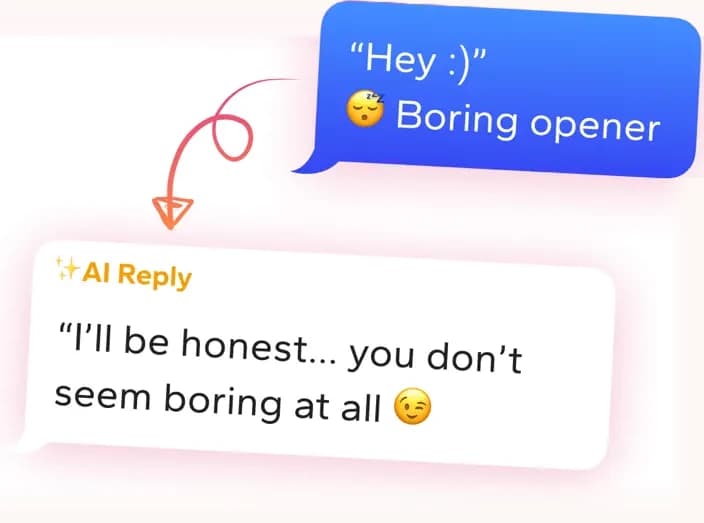
Get replies that sound like you
Screenshot the conversation in WingAI. It reads the vibe and gives you natural replies for this exact situation.
Try for freeWhy these don't work
“I see you read my message lol”
Pointing at the read receipt turns an ordinary silence into an accusation, and the playful tone does not hide that you are keeping track.
“Wow, you can post a story but you can't text me back?”
Using their online activity as evidence puts them on trial, and it tells them you have been watching when they are online.
“Fine, I won't bother you again then”
It forces them to either chase you or confirm you are right, and it ends a conversation that was only quiet, not over.
People also ask
- Is it rude to leave someone on read?
- Not when it is occasional. People read messages at bad moments and plan to answer later. It becomes rude when it is a habit, especially if you reply to others quickly but let one person wait for days. A few hours is normal. Repeated long silences with no explanation feel dismissive.
- Is it rude to keep a crush on read when the conversation has naturally ended?
- Usually not. If the last message was a closing line, like a goodnight or an agreed plan, no reply is expected. Silence there is a natural pause. It only feels rude if their message asked a question or invited a response and you let it hang with no word at all.
- How long is too long to leave a message unanswered?
- Within a day is ordinary for most people. After two or three days with no explanation, it starts to feel like a choice. If you need more time, a short note saying you will answer properly later costs almost nothing and spares the other person guessing.
- What should I do if someone leaves me on read?
- Wait at least a day, then decide if one follow up is worth it. If you send one, make it light and specific, such as a plan or a question about something they mentioned. If that also goes unanswered, stop messaging and let them come to you.
Pitfalls to avoid
- Reading a read receipt as proof of how much the person cares, when it only shows that a screen was opened.
- Sending a second and third message within hours, which turns patient interest into visible pressure.
- Comparing their silence to their story activity and treating the mismatch as an insult instead of a difference in effort.
It doesn't sound like a bot
“I overthink every text. Having three options and picking the one that sounds like me cut that spiral short.”
Sam R.
“She went cold mid-week and I had no idea what to say. The reply I sent felt natural and she picked the chat back up.”
Marcus T.
“I was skeptical at first. Then I tried it on a dry chat and the replies actually sounded like me, not a chatbot.”
Mazoonx
Get replies that sound like you
Screenshot the conversation in WingAI. It reads the vibe and gives you natural replies for this exact situation.
Try for free