Ghosting vs slow fade: how to tell the difference
Learn to spot the gap between ghosting and slow fade. Know what each pattern means and when to move on.
Ghosting is sudden radio silence after consistent contact. A slow fade is gradual withdrawal over weeks: longer gaps between texts, shorter replies, less enthusiasm. The difference matters because slow fade often signals loss of interest rather than a hard rejection, and your response changes based on which is happening.
Good replies to a slow fade acknowledge the pattern without drama, give her space to either engage or exit cleanly, and protect your own time. With ghosting, there is no reply that works. With slow fade, you still have a narrow window to reset the dynamic or bow out with grace.
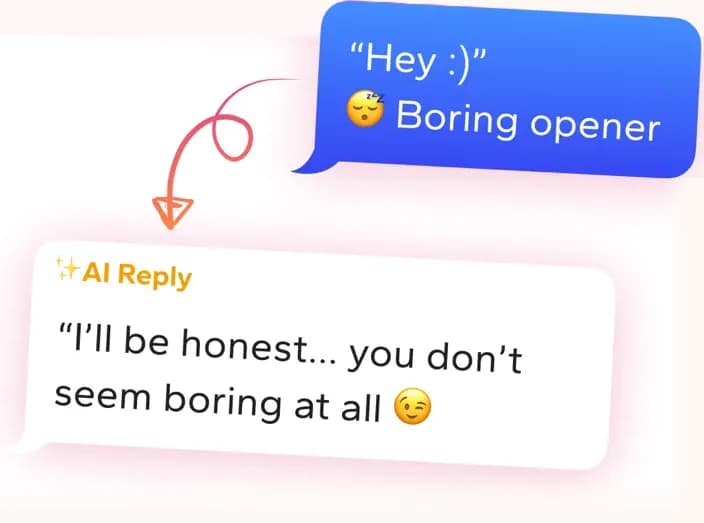
Get replies that sound like you
Screenshot the conversation in WingAI. It reads the vibe and gives you natural replies for this exact situation.
Try for freeRizz AI Screenshot the chat and get the next message for this person.
The timing gap tells you which one is happening
Ghosting: you had steady contact, then nothing. Radio silence starts immediately after a real conversation or date. She was engaged, now she is gone. No taper.
Slow fade: the gaps grew. Two days became five. Her texts got shorter. She stopped asking questions. It started 1 to 2 weeks ago, not yesterday. The pattern is visible only if you look back at the thread. She is still technically responsive but with less energy each time. Slow fade shows up in the trend line, not the current message.
One message that opens the door without chasing
A good reply to slow fade does two things. First, it names the pattern without accusation. Not 'why are you ignoring me', but something that signals you see what is happening. Second, it gives her a clear path forward: either re-engage on a small, easy ask, or don't. You are not demanding answers or promising change. You are not trying to convince her back. You are testing whether she has actually lost interest or just got busy. If she is busy, a light opening works. If she has checked out, no amount of energy from you changes that.
Wait a full week before deciding it is over
Send one message that opens a door. Then stop. If she takes it within a week and engages again, you know the fade was temporary. If nothing comes back or she sends something polite but brief, she is out.
Do not send another message during that week. Do not like her social posts or find reasons to text. After seven days of no real engagement, move on. Do not send a 'goodbye' message. Just stop initiating. Slow fade often ends with mutual silence, and that is fine. You freed up the mental space she was taking up.
Why these replies fail
“Hey, I feel like you are ghosting me and it really hurts. Can we talk about what happened?”
Puts pressure on her to manage your feelings instead of giving her space to either step back in or out cleanly.
“Cool, I get it. Good luck with everything.”
Sounds passive aggressive and closes the door yourself, which defeats the purpose of testing if she is actually done or just distracted.
“Hey! What are you up to this weekend? We should grab drinks and catch up like old times!”
Ignores the signal she is sending by pretending the dynamic has not changed, which makes her pull back faster.
Common mistakes
- Treating slow fade like ghosting and going silent back, which just makes it mutual avoidance
- Sending multiple messages in quick succession, which speeds up her exit
- Asking 'what did I do wrong' or 'are you okay', which puts pressure on her to console you
- Pretending nothing changed and resuming normal banter, which ignores the signal she is sending
- Waiting for her to come back on her own, which wastes weeks of your time
Questions people ask
- How long does slow fade usually last before it ends?
- Most slow fades resolve in 2 to 4 weeks. If someone is actually interested but busy, they usually re-engage within that window. If nothing changes after 3 weeks of your backing off, she is gone. Do not wait months hoping she comes back.
- Is slow fade better or worse than ghosting?
- Slow fade is easier to read and less harsh, but it is still rejection. Ghosting leaves you wondering. Slow fade just drags it out. Both end the same way. Slow fade does give you a clearer signal to act on sooner.
- Can slow fade turn back into real interest?
- Yes, sometimes. People get busy, stressed, or distracted and check out for a bit. If you give space and she re-engages with real effort, the fade reverses. But this is rare. Most slow fades are one direction.
- Should I call out the slow fade directly or keep it light?
- Keep it light. Calling it out directly ('I notice you are pulling away') feels accusatory and speeds up the exit. A casual message that tests engagement works better. If she is interested, she will step back in. If not, you will know fast without making it awkward.
What people say after using WingAI
“I overthink every text. Having three options and picking the one that sounds like me cut that spiral short.”
Sam R.
“I was skeptical at first. Then I tried it on a dry chat and the replies actually sounded like me, not a chatbot.”
Mazoonx
“She went cold mid-week and I had no idea what to say. The reply I sent felt natural and she picked the chat back up.”
Marcus T.
Get replies that sound like you
Screenshot the conversation in WingAI. It reads the vibe and gives you natural replies for this exact situation.
Try for free