How to tell someone to stop texting you politely
How to tell someone to stop texting you without being cruel: why a clear, kind, final message works better than a soft one, and what to do after you send it.
The person texting you has usually built a small story in their head. Every reply you sent, even a polite one, got stacked into a pile of evidence that something might be developing. They are not being annoying on purpose. From where they sit, a daily check-in feels like effort toward a goal, and your occasional answers feel like progress. That is why gentle fading rarely works. Slow replies and short answers are easy to read as busy, shy, or playing hard to get.
What you are trying to achieve is narrower than it feels. You are not trying to make them understand your reasons, agree with you, or feel fine about it. You want the texts to stop, and you want to leave without a knot in your stomach later. Those two aims can coexist, but only if the message is short, calm, and closed. The urge to cushion it with praise, apology, and explanation comes from wanting to be seen as a good person. It is understandable, and it is also the main reason these messages fail.
Text changes the dynamics in your favour. Nobody can see your face wobble, argue in real time, or talk you down across a table. A written boundary also sits there on their screen, which makes it harder to reinterpret than a mumbled remark. The flip side is that text invites immediate back and forth. If you send it while you are free to watch your phone, you may get pulled into a thread. Send it when you can set the phone down afterwards, and keep notifications for that contact quiet for a day.
The most common way this backfires is leaving a hook in the wording. Phrases about timing, busyness, or your own headspace give them something to wait out. Jokes and exclamation marks make it read as casual, so they treat it as an opening to banter. Over explaining hands them points to rebut, and a person who feels hurt will rebut. Even a kind compliment can be quoted back to you later as proof that you liked them. Keep it plain and let the plainness do the softening.
How they respond tells you what to do next, and mostly the answer is nothing. A short acknowledgement means it landed, and you do not need to reply to it. A hurt or angry message is a feeling, not a question, so it does not need an answer either. A request for a reason is the one place a single, brief restatement is fine, as long as you add nothing new. If they keep going after that, you are no longer dealing with a misunderstanding. At that point muting or blocking is a fair next step, not a failure of politeness.
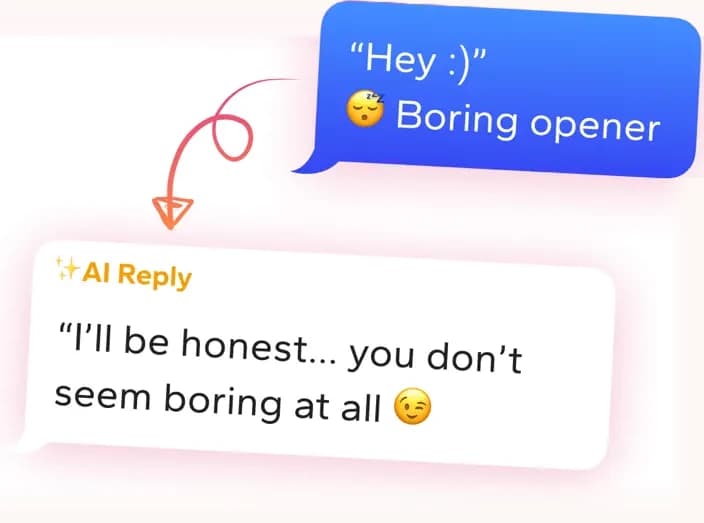
Get replies that sound like you
Screenshot the conversation in WingAI. It reads the vibe and gives you natural replies for this exact situation.
Try for freeTexting AI Screenshot the thread on your phone and get the next text.
Why vague kindness gets more texts
When you soften a refusal, the other person fills the gap with the most hopeful reading. A reply like "things are hectic right now" becomes "she is interested but swamped," and so they check in again in a week to see if things calmed down. You have not been cruel, but you have created a waiting game. A clear message removes the thing they would be waiting for. It can still be kind. Thank them for the conversations if that is true, say you do not want to continue, and stop there. The kindness lives in the tone and the brevity, not in leaving a maybe.
Choosing the moment to send it
Pick a time when you are not already mid conversation, since an abrupt shift inside a warm exchange feels like a bait and switch. Midday or early evening on an ordinary day works well. Avoid late at night, when you might be tired and they might read it as a mood rather than a decision. Avoid sending it right before something stressful for you or for them, like a work deadline or a birthday. Once it is sent, silence the thread for a day so you are not tempted to monitor it or respond to the first reaction.
What to do if they text anyway
Expect some people to test the boundary, especially in the first few days. A hurt reply like "wow ok" deserves no answer. A question asking why can get one short restatement that adds no new reasons, because new reasons are new things to debate. If they pop up weeks later with a casual hello, treat it as the same conversation you already closed. You can send one line saying your answer has not changed. If they continue after that, stop responding entirely, mute the thread, and block if it keeps coming. Protecting your peace is not rude.
Why these don't work
“I'm so sorry, I've just been swamped at work and don't have room for anyone right now. Maybe down the road!”
Blaming your schedule and adding "down the road" gives a hopeful texter a reason to wait a month and try again.
“Haha you're sweet but I think I'm just not in a good place for this, no hard feelings!”
Making it about your mood suggests the problem is temporary, and the laugh makes it sound like a conversation to continue rather than an ending.
“Honestly I'd rather keep things light and just chat sometimes, is that ok?”
Offering a reduced version of the contact asks them to negotiate, and someone already invested will take any scrap of continued texting as a win.
Pitfalls to avoid
- Replying to their goodbye message with a friendly sendoff, which restarts the thread and gives them a new opening to answer.
- Sending the message while still half in conversation, so the shift feels like a trick and invites an immediate argument.
- Adding a second explanation after they sound hurt, which offers new points to debate instead of ending the exchange.
- Using "maybe later" or "right now" to spare their feelings, leaving a date they will mentally circle on the calendar.
- Ghosting for weeks and then sending the message in a guilty rush, so it comes out apologetic and muddled instead of calm.
People also ask
- How do I politely tell someone to stop texting me?
- Send one short message that says you do not want to keep talking, thank them if it is true, and leave out excuses. Keep the tone warm but settled. Then stop replying. The politeness comes from honesty and brevity, not from softening the answer until it sounds like a maybe.
- How do I get someone to stop texting me without being mean?
- Be kind in tone and firm in content. Skip insults, sarcasm, and blame, and also skip hedges like "for now." A clear, calm sentence is less hurtful than weeks of dwindling replies, because they are not left guessing or hoping. Mean is cruelty, and clarity is not cruelty.
- Do I have to give a reason for not wanting to text?
- No. You can say you are not interested in continuing and leave it there. A reason gives them something to argue with or fix. If you do share one, make it a true, stable one such as not feeling a match, never a temporary one like being busy.
- What if they keep texting after I told them to stop?
- Stop replying. One short restatement is fine if they ask why, but after that, silence is your answer. If messages keep arriving, mute the conversation, and block them if it continues. Persistent contact after a clear no is their choice, not a conversation you owe them.
It doesn't sound like a bot
“I overthink every text. Having three options and picking the one that sounds like me cut that spiral short.”
Sam R.
“She went cold mid-week and I had no idea what to say. The reply I sent felt natural and she picked the chat back up.”
Marcus T.
“I was skeptical at first. Then I tried it on a dry chat and the replies actually sounded like me, not a chatbot.”
Mazoonx
Get replies that sound like you
Screenshot the conversation in WingAI. It reads the vibe and gives you natural replies for this exact situation.
Try for free