How to respond when someone says they've been better
Someone says they've been better. Here's the tone to take, what to include, what to skip, and how to adjust once you see how they reply.
A match who says they've been better is usually handing you a small piece of real information while keeping the door only half open. They picked a phrase that sounds casual but is slightly off script, and that choice tells you something. Maybe the week has been rough. Maybe they are curious whether you will bother to ask a follow-up. Maybe they just typed the truth without thinking about it. You can't tell which yet, and you don't need to.
Your aim is modest. You are not trying to rescue anyone, diagnose anything, or become their confidant by Thursday. You want them to feel noticed as a specific person and to feel free to say as much or as little as they like. That is a low bar, and plenty of people still miss it by reaching for a greeting card or by hauling the conversation back to themselves.
Timing and setting matter here. On a dating platform you are often talking to someone you have known for a day or a week, and the history is thin. That thin history works in your favor, because a stranger's sympathy carries less weight and less risk than a friend's. It also means your tone has to do more work. Warm but unhurried tends to land better than intense. If your message arrives hours late or reads like it was drafted by committee, it will feel like avoidance. Same day is plenty, and a short message beats a polished one.
The common failures are predictable. Cheerleading tells them their mood is a problem to be fixed. Matching their misery with your own story steals the spotlight. Rapid fire questions turn a soft moment into a deposition. Each of these puts your comfort ahead of theirs, which is exactly what they will pick up on, even if they could not name it.
Reading the response is where the skill shows. If they open up, follow their lead and stay on their topic rather than steering toward a plan. If they answer in a few words, take that as a real answer and ease off. If they go quiet, give it room. Silence after a vulnerable moment often means they said more than they planned to, and pressure makes retreat more likely, not less.
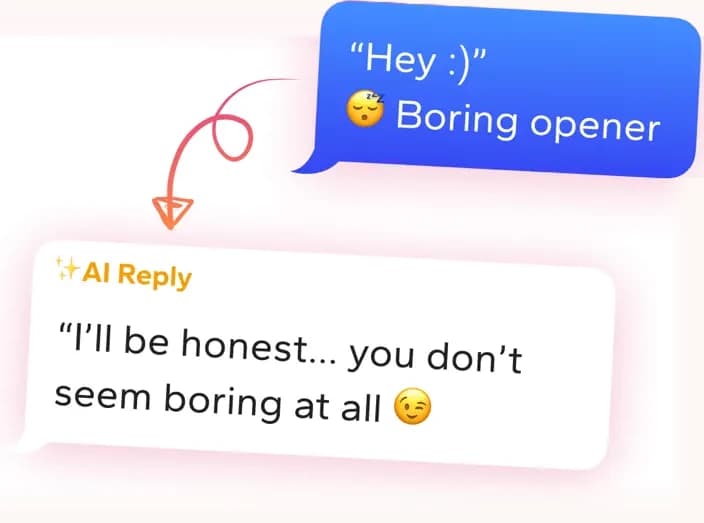
Get replies that sound like you
Screenshot the conversation in WingAI. It reads the vibe and gives you natural replies for this exact situation.
Try for freeWhat a short reply is hiding
People rarely announce a bad stretch in full. They compress it into a phrase small enough to retract. That is why this one is easy to mishandle. If you respond to the words alone, you will sound polite and distant. Respond to the compression instead. Notice that they chose to say it at all, and let your message reflect that you registered the choice. A brief, plain acknowledgment works better than a long one, because a long one implies the thing is heavier than they made it sound. Match their size. If they said it lightly, stay light but warm. If their earlier messages were chatty and this one is flat, the contrast is worth a gentle mention in your own words.
Giving them a way to opt out
The most useful thing you can build into your message is an easy exit. They should be able to go deeper or step sideways without feeling they are letting you down either way. That means one open question, phrased so that a vague answer is acceptable. It also means leaving a little air after it rather than stacking a second and third question behind it. Offering to talk or to be a distraction is fine, but say it the way you would to someone across a table, not like a menu. Think about what you already know from the chat. A callback to something they enjoy can serve as the lighter option without feeling like a subject change.
What to do with their answer
Their reply decides your next move, so read it before you plan one. A long, detailed answer means stay with the problem. Reflect back what they said, ask about the part that sounds heaviest, and resist the urge to offer solutions unless they ask. A one-line answer means they gave you the headline and want to leave it there, so thank them for telling you and return to easier ground. A joke in response usually means they are fine with lightness, so follow it. A long gap means leave it alone. Chasing after silence can turn a moment of trust into a reason to pull away.
Why these don't work
“Aw, sorry to hear that! Things always get better, just stay positive!”
It brushes past what they said with a slogan, so they learn that admitting a rough patch earns advice instead of attention.
“Same, this week has been brutal for me too. Let's grab a drink and forget it all.”
It takes over their moment with your own week and jumps to a plan before you know whether they want company or space.
“Why? What happened? Was it work or something else? Tell me.”
Stacked questions feel like being cross-examined by someone they barely know, which makes a half-opened door swing shut.
Pitfalls to avoid
- Answering with encouragement meant to fix the mood, which tells them their feelings are a problem to be solved rather than something you are willing to hear.
- Sending several questions in one message, so a casual admission ends up feeling like an interview they did not agree to.
- Turning the exchange toward your own bad week or a date plan before you know what they actually want from the conversation.
People also ask
- What do you say when someone says they've been better?
- Acknowledge it briefly and plainly, then ask one open question that lets them choose how much to share. Keep the tone warm and unhurried. Skip advice, skip your own story, and skip anything that sounds like a slogan. Short and specific beats long and sympathetic.
- Should I ask what's wrong or just change the subject?
- Ask, gently, and let them decide the depth. Changing the subject immediately reads as dodging what they said. Asking for details outright can feel like pressure. A soft open question covers both, since they can answer fully or lightly without it being awkward.
- What if they don't explain after I ask?
- Take it as their answer and back off. They may not want to get into it with someone new, and that is reasonable. Move to something easier, perhaps a callback to an earlier topic. Pushing a second time tends to confirm that sharing with you costs more than it is worth.
- How soon should I reply to a message like this?
- The same day is a good target, and sooner is fine. A long delay after someone admits they are struggling can look like avoidance. You do not need to craft anything impressive. A short, sincere message sent promptly beats a polished one that arrives after the moment has passed.
It doesn't sound like a bot
“I always freeze on the first sentence. This gets me past that blank box so I actually hit send.”
joejoe4567
“I was skeptical at first. Then I tried it on a dry chat and the replies actually sounded like me, not a chatbot.”
Mazoonx
“I overthink every text. Having three options and picking the one that sounds like me cut that spiral short.”
Sam R.
Get replies that sound like you
Screenshot the conversation in WingAI. It reads the vibe and gives you natural replies for this exact situation.
Try for free