How to Respond When Someone Ghosts You and Comes Back
When someone who disappeared suddenly texts you again, learn the right way to reply without looking desperate or bitter.
Ghosting followed by a return message is a specific pattern. They went silent for weeks or months, then reappeared without explanation. This isn't a normal pause in conversation. It signals either they were juggling other people, got busy with someone else, or saw your life move on and felt curious.
Your reply needs to do two things at once. It has to set a boundary so you're not a backup option they text whenever they're bored. And it has to actually give them a real chance if they're trying to reconnect for the right reasons, not shut them down out of pure hurt.
The stakes are low here because you already know what happened once. A good reply protects your time without being performative about anger. It's factual, brief, and doesn't pretend the gap didn't exist.
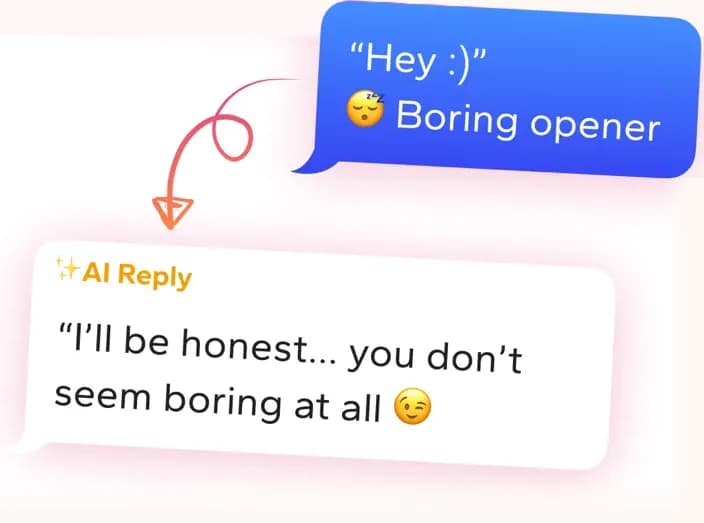
Get replies that sound like you
Screenshot the conversation in WingAI. It reads the vibe and gives you natural replies for this exact situation.
Try for freeRizz AI Screenshot the chat and get the next message for this person.
Why they came back now, not before
Someone who ghosted you didn't suddenly develop a conscience. They either had something end on their end, they realized you were more interesting than they thought, or they're cycling through people and you're available again. The timing always matters more than their words.
Look at when they messaged you. Did something significant happen in your life that they could have seen on social media? Did they just get out of something? This isn't about being paranoid. It's about reading the pattern so you don't misinterpret their reason for coming back as something it's not.
Your reply should reset the clock, not restart it
You want your response to signal a few things. First, you didn't sit around waiting. Second, you're willing to talk to them, but on a different footing than before. Third, the burden is on them to explain the disappearing act, or at least acknowledge it existed.
This doesn't mean writing about the ghosting directly. It means taking space before you reply, at least a day or two. Keep your response short and ask a question that makes them step up. You're not being mean. You're just treating them like someone who needs to rebuild trust, not someone you were talking to yesterday.
Don't answer their question until you answer theirs
They asked you to coffee or to hang out. Don't say yes or no yet. You need one piece of information first. A simple, curious ask about where they've been or why they disappeared now. Not accusatory. Just factual.
Their answer tells you everything. If they dodge it, minimize it, or pretend it didn't happen, you have your answer about what kind of person they are. If they own it directly and give you a real reason, you can decide from there. Most people will feel uncomfortable being asked and either overexplain or get defensive. That's useful data too.
Why these replies fail
“OMG hey! I was literally just thinking about you too. Coffee sounds amazing, I'm free literally whenever!”
Erases the ghosting and makes you look like you have no other options, so they know they can disappear again without consequence.
“Interesting timing. I guess I wasn't interesting enough before, but now you're bored so you're back? Nah.”
This is you venting your hurt as a way to punish them, which keeps you emotionally entangled and gives them proof they got under your skin.
“Yeah sure, coffee could be cool. What day were you thinking?”
You're answering their question before they answer yours about the disappearing act, which means you've already given them the green light with no stakes.
Common mistakes
- Jumping at the chance to reconnect like the ghosting never happened, resetting all trust
- Sending a paragraph about how much they hurt you, making it about your pain instead of their pattern
- Not replying at all, which keeps you stuck in their head as someone they got away with hurting
- Being cold or sarcastic just to prove you're unbothered, which comes across as still wound up about it
- Answering their question immediately without any time delay, showing they still have priority access
Questions people ask
- Should I bring up the ghosting directly in my reply?
- Not as an accusation. Ask a real question instead, like 'Where'd you go?' or 'Been a minute, what's new with you?' This makes them address the gap without you sounding bitter. Their response tells you if they're capable of acknowledging what they did.
- How long should I wait before responding to their message?
- At least 24 to 48 hours. They can wait that long. It shows you weren't sitting by your phone and that your life didn't stop when they disappeared. This also gives you time to actually think instead of reacting from emotion.
- What if they never explain the ghosting and just act like it didn't happen?
- That's your answer. People who can't acknowledge hurting you, even casually, won't change. You can still meet up if you want, but do it with clear eyes knowing this is who they are. Don't expect accountability later.
- Is it okay to say yes to hanging out if their explanation seems reasonable?
- Yes, but on your terms. Pick a public place, keep it short, and watch for their behavior over the next few weeks. One good coffee doesn't erase a pattern. Let them actually rebuild trust through follow-through before you invest again.
What people say after using WingAI
“She went cold mid-week and I had no idea what to say. The reply I sent felt natural and she picked the chat back up.”
Marcus T.
“I overthink every text. Having three options and picking the one that sounds like me cut that spiral short.”
Sam R.
“I was skeptical at first. Then I tried it on a dry chat and the replies actually sounded like me, not a chatbot.”
Mazoonx
Get replies that sound like you
Screenshot the conversation in WingAI. It reads the vibe and gives you natural replies for this exact situation.
Try for free