How to Reply When She Says She Doesn't Like Long Texting
She says she doesn't really like long texting? Here's how to read it, what your reply needs to do, and how to follow up without chasing her.
When someone says she doesn't really like long texting conversations, she is usually telling you how she wants to spend her attention, not rejecting you. Some people find text chains draining, some are bad at keeping a thread going on a phone, and some want to save the real conversation for a call or a date. Most of the time she is giving you a preference you can work with.
A good reply takes the information at face value, does not argue with it, and shows you can keep things light and short. It also quietly moves the conversation toward something that suits her preference, like a specific plan. Long, earnest paragraphs in response to her saying she dislikes long texts will confirm the thing she just told you.
If you handle this well, you show that you listen, you adapt, and you are not going to make her carry a conversation she does not want to carry.
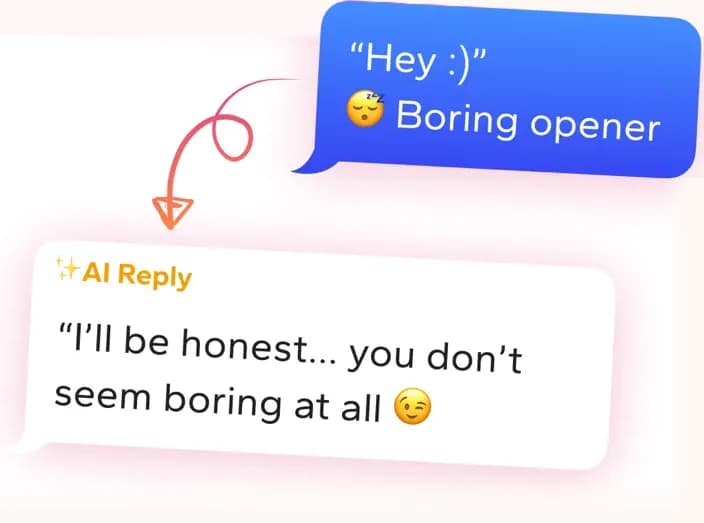
Get replies that sound like you
Screenshot the conversation in WingAI. It reads the vibe and gives you natural replies for this exact situation.
Try for freeTexting AI Screenshot the thread on your phone and get the next text.
Read the preference, not the rejection
When she says she doesn't really like long texting, look at what she actually did. Did she answer your question in a line and leave it there, or did she stop replying to you entirely? If her replies are short but still arriving, she is probably fine with the conversation and simply does not want it to be a marathon. If the replies have thinned to nothing, she may be disengaging, and the texting preference is a polite way of saying so.
Also notice whether she offered something in return. People who want to move off the phone often hint at a time or a place, even just with "we should grab a drink sometime." If she has not offered anything, you have room to propose it yourself. Her words tell you about her style. Her next message tells you whether she is still interested.
Keep your side short and make it easy to follow
Your reply has to do three things. It has to acknowledge her preference in a single line so she knows you heard it. It has to match her length so the conversation feels comfortable rather than heavy. And it has to give her an easy next step, such as a specific day or a question that is simple to answer.
Keep the acknowledgement light. Something that treats the point as ordinary will land better than something that makes it a big deal. Then move to a concrete suggestion, ideally one that names a time window and a rough place. Vague offers like "we should meet up" are easy to let slide. A specific, low-effort plan asks her for a yes or no, which is exactly the kind of exchange she has just said she prefers.
The week of silence matters more than the text
Once you have sent your reply, the next move is mostly about waiting. If she answers with a plan or a clear yes, great, confirm the details and stop there. If she answers with a short acknowledgement and nothing else, that is still a reply. Respond briefly and warmly, and let the next step come from her side or from a specific plan you propose once.
If there is no answer, give it about three to five days before following up, and make that follow-up shorter than anything you have sent before. One short check-in is reasonable. Two is pushing. If a second attempt also goes unanswered, let the thread drop. Continuing to text after she has signalled she wants less of this will make the whole thing feel like pressure, even if your intent was friendly.
Why these replies fail
“Totally fair! I'm sorry if my messages have been too long, I guess I just get excited talking to someone new. I hope that's not annoying. Anyway how was your week?”
The apology and self-doubt put her in the position of reassuring you, and the long message repeats the exact habit she just asked you to ease off.
“Oh really? Why don't you like long texts? Is it a phone thing or do you just not find conversations over text interesting?”
Asking her to explain her preference turns a simple statement into a question she now has to justify, and the stack of questions makes the reply feel like an interview.
“Got it! So I'll stop sending you the paragraphs, but I've got a really good story about my trip to Lisbon that I think you'd love, so I'll just tell you that in one go and then we can switch to something else.”
It promises to keep things short and then immediately sends a long story, which shows she cannot trust the boundary you just acknowledged.
Common mistakes
- Apologising at length for the texting style, which turns a simple preference into something she has to reassure you about.
- Sending a message of the same length as before, as if she had not said anything.
- Asking her why she doesn't like long texts, which can feel like being asked to justify herself.
- Going silent for a long stretch to show you are not needy, then coming back with an unrelated paragraph.
- Treating the preference as a challenge and trying to win her over with a long, clever message.
Questions people ask
- Does she not like me if she says she doesn't like long texting?
- Not necessarily. Many people find long text threads tiring, especially on a phone with other things going on. Her saying so is more often a preference about how she spends her attention than a verdict on you. Look at her next reply to see whether she is still engaged, and give her the chance to show you that.
- Should I stop texting her completely?
- No. Keep messages short and make them lead to a plan. You don't need to go silent, and you shouldn't stop talking to her altogether unless she indicates she wants that. Shorter, more specific messages usually work better than none at all, because they respect her preference while still moving things forward.
- How long should I wait before texting again?
- If she replied and the conversation paused naturally, a few hours to a day is normal. If she has not replied to your last message at all, wait three to five days before sending one short follow-up. If that also goes unanswered, let the thread drop rather than sending more.
- What if she says she prefers calls instead?
- Take that as a clear direction and offer a specific time for a short call. Name a window and a length, like a fifteen-minute call Thursday evening, so it is easy for her to say yes. If she agrees, keep the call focused and friendly, and suggest meeting in person if it goes well.
What people say after using WingAI
“She went cold mid-week and I had no idea what to say. The reply I sent felt natural and she picked the chat back up.”
Marcus T.
“I overthink every text. Having three options and picking the one that sounds like me cut that spiral short.”
Sam R.
“I was skeptical at first. Then I tried it on a dry chat and the replies actually sounded like me, not a chatbot.”
Mazoonx
Get replies that sound like you
Screenshot the conversation in WingAI. It reads the vibe and gives you natural replies for this exact situation.
Try for free