How to Reply When She's Overwhelmed With Work and Personal Stuff
She says she's swamped with work and life stuff. Here's how to read the message, reply without adding weight, and decide when to text again.
When a woman you're talking to says she's overwhelmed with work and personal stuff, she is usually reporting a shortage, not a verdict on you. Her attention is spoken for. Deadlines, a sick relative, a lease problem, a friend in crisis, whatever it is, the pile has eaten her spare bandwidth, and a text thread that needs witty replies has started to feel like one more item on the list. Telling you at all means she'd rather be upfront than disappear without a word.
Your aim is narrow. You want to be easy to have around, and you want her to feel that coming back to the conversation later costs her nothing. That means no debt, no awkward catch-up, no sense that she disappointed you. If the next time she sees your name pop up it feels like relief instead of obligation, you've done the job. Rapport can survive a quiet week. It rarely survives the feeling of being managed.
Timing matters more here than polish. A reply that lands within a few hours looks attentive, but a reply that sits for two days can read as sulking or indifference. Match her cadence loosely, then let the gap between messages widen on purpose. Tone carries more than wording, so keep it short and calm. A paragraph of sympathy sent at midnight asks her to read, absorb, and answer something heavy while she's exhausted.
Most things that backfire come from good intentions. Offering advice implies she hasn't thought of the obvious. Inviting her to vent hands her a task. Proposing a night out as a break from the chaos adds a plan she has to accept or turn down. Even a warm joke can misfire if her stress involves something painful, since she may not have the energy to decide whether you meant it kindly. Anxious follow-ups are worst, because they turn her silence into your problem.
How she answers tells you where you stand. A quick, grateful reply with a little detail means she's still engaged and just stretched thin. A one-word answer that arrives late is probably honest exhaustion, so take it at face value. If she mentions when things should ease up, or circles back unprompted days later, the door is open. Total silence past a couple of weeks is information too, and the kindest response to it is to let it be.
Read how much detail she gave
Look at what she actually wrote. A vague line like "things are crazy right now" usually means she wants to be left alone and is giving a courtesy heads-up. A longer rundown, with the project name, the family drama, the move date, suggests she trusts you and wants some acknowledgement. Match the size of your reply to the size of her disclosure. Short mention, short reply. If she opened up in detail, one sentence that shows you registered a specific piece of it lands better than a general "hope it gets better." Also separate the timelines. A work crunch with a known end date is easy to wait out. Family or health trouble has no clear finish, so skip any cheerful guess about when she'll be free again.
Say less than feels natural
The urge is to prove you care, and that urge produces long messages. Fight it. Name the thing she mentioned in a few words, make it clear you aren't bothered by slower replies, and stop. Keep the tone level with how you normally talk to her. Suddenly turning soft and serious can make the moment feel bigger than she wanted it to be. Skip questions entirely, even friendly ones, since each question is a small assignment. Skip "let me know if you need anything" too, because it shifts the work of reaching out onto her. A light, humane line from you, with nothing attached, gives her the easiest possible way to respond or not.
Let the gap do its work
After you reply, go quiet and stay busy with your own week. Three to five days without a new message is a reasonable default if she hasn't written back, and longer if she told you her situation is serious. When you do reach out again, open with something unrelated to her stress, a small observation or a callback to an earlier topic, and keep it easy to ignore. If she replies warmly, you're back in rhythm. If she replies slowly, accept the slower pace instead of pushing it faster. If two weeks pass with nothing, a single relaxed check-in is fine. After that, stop. You'll learn more from her coming back on her own than from anything you could send.
Why these replies fail
“That sounds really rough. Honestly you should take a step back and focus on yourself for a while. I'll be around when things calm down.”
It tells an overwhelmed person what to do with her life and makes your availability conditional, so she feels like a burden you're tolerating.
“aw babe I'm so sorry :( do you want to talk about it? I'm free tomorrow night if you need to get out of the house”
She has no energy to explain her situation or answer an invitation, and the offer turns her stress into a decision she now owes you.
“Hey you there? ... Four hours later: guess you're too busy for me lol”
Stacking follow-ups and a guilt joke on top of a message about being overwhelmed forces her to soothe your feelings while she's already stretched.
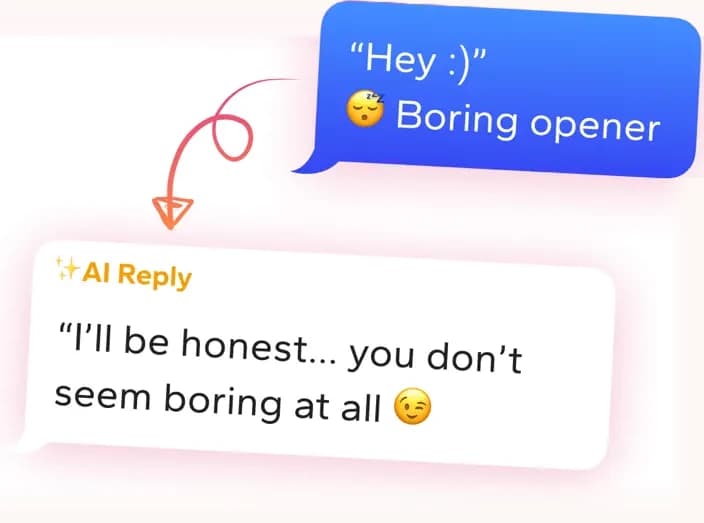
Get replies that sound like you
Screenshot the conversation in WingAI. It reads the vibe and gives you natural replies for this exact situation.
Try for freeQuestions people ask
- Should I offer to help or tell her she can vent to me?
- Usually no. An open invitation to vent makes her decide how much to share and then do the sharing. Acknowledge what she said in a line, and let her bring up details if she wants to. If she asks for your opinion directly, that changes things.
- What if she doesn't answer my reply at all?
- Treat it as her being buried, not as rejection. Wait about a week, then send one light check-in with no question in it. If nothing comes back, stop messaging. Repeated pings will only teach her that talking to you means more pressure.
- Is it okay to suggest a movie or a hangout to take her mind off things?
- Not right away. A plan gives her something to accept or decline, and either choice costs her energy. Wait until she mentions things easing up or starts replying more freely, then suggest something low effort and easy to cancel.
- How long should I wait before texting about normal stuff again?
- Three to five days is a fair minimum after your reply, longer if her situation sounded serious. Start with something light and unrelated to her stress. If she answers slowly, keep your pace slow too and let her set the speed.
What users say
“I was skeptical at first. Then I tried it on a dry chat and the replies actually sounded like me, not a chatbot.”
Mazoonx
“I overthink every text. Having three options and picking the one that sounds like me cut that spiral short.”
Sam R.
“She went cold mid-week and I had no idea what to say. The reply I sent felt natural and she picked the chat back up.”
Marcus T.
“I'm busy and half the profiles give you almost nothing to work with. WingAI gets me a solid first line fast without me staring at the screen for ten minutes.”
Ralph
Common mistakes
- Writing a long, emotional message to prove you care, which hands her a heavy thing to read and respond to when she has no spare attention.
- Ending the reply with a question or an open offer to talk, so your kindness quietly becomes a task she has to deal with.
- Checking in again within a day or two because the silence feels uncomfortable, which swaps her stress for yours and makes you part of the pile.
Get replies that sound like you
Screenshot the conversation in WingAI. It reads the vibe and gives you natural replies for this exact situation.
Try for free