How to respond when he suddenly texts less
His texting dropped off. Here's how to tell what it means and what to actually send back.
When someone shifts from consistent texting to sporadic or shorter replies, something changed in how he's prioritizing the connection. This isn't always bad, but you need to read it correctly before you respond.
A good reply does two things. It doesn't pretend nothing changed, and it doesn't accuse him of changing. You're looking for a response that gives him room to explain while also making it clear you noticed.
Timing matters more than the words. If you wait too long to respond, you're building a story that might not be true. If you respond too fast, you look desperate. The goal is to stay steady and real.
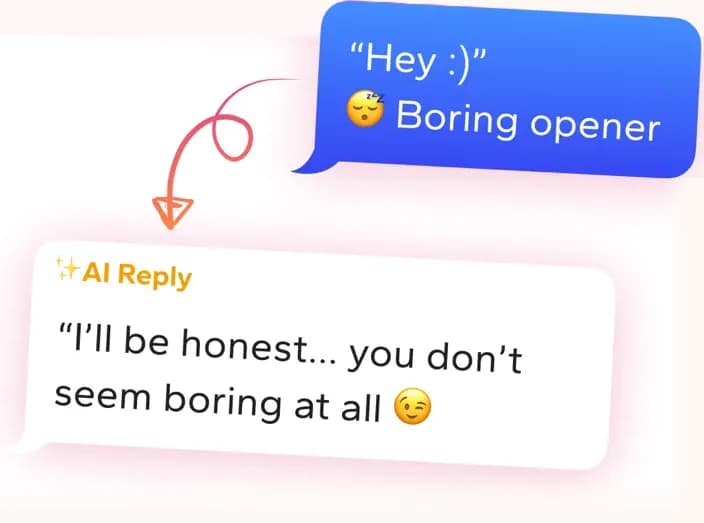
Get replies that sound like you
Screenshot the conversation in WingAI. It reads the vibe and gives you natural replies for this exact situation.
Try for freeTexting AI Screenshot the thread on your phone and get the next text.
Work stress or losing interest
A sudden drop in texting frequency or length usually falls into a few categories. He might be dealing with work stress, family stuff, or something in his own head that has nothing to do with you. He could be losing interest and testing to see if you'll stay engaged anyway. Or he's shifting to a new phase where he wants to text less going forward.
The problem is you don't know which one yet. So your job right now is not to decide what it means. It's to get information by responding in a way that keeps the door open and makes it safe for him to either explain or start texting normally again. Silence from you will only reinforce whatever narrative he's already running.
Call out the pattern without accusation
A strong reply names the change without making it an accusation. You're basically saying: I see this, and I'm giving you a chance to address it directly. The tone should be light enough that he doesn't feel attacked, but direct enough that he knows you're paying attention. You're also showing you have options and aren't sitting around waiting for his texts.
This means keeping it short, staying upbeat or matter-of-fact, and giving him an easy way to respond. If he's busy, he can quickly explain. If he's checking out, he has to answer that. Either way, you move from vague discomfort into actual information.
Reply within 24 hours then wait
Send your reply within a day of noticing the drop. Any longer and you're overthinking it into a bigger thing than it needs to be. Give him at least a full day to respond before you do anything else. If he replies and explains, believe him, then watch his actions over the next week. If he goes silent, send one more message after a few days. After that second silence, stop reaching out and see if he comes back on his own.
If he does come back, don't punish him with short replies or games. If he doesn't, move on knowing you tried without groveling. Don't get stuck waiting. Set a time limit for yourself, stick to it, then make a choice about what you're doing with this.
Why these replies fail
“Lol okay I get it, you're busy. Let me know when you have time for me I guess”
The sarcasm and victim energy make him defensive instead of opening up about what's actually going on.
“Did I do something wrong? I feel like we're not as close anymore and it's making me anxious”
You're asking him to manage your emotions and filling in blanks about what his change means, which puts all the pressure back on him.
“*no reply for a week, then* Hey stranger, miss me?”
Waiting too long makes it awkward and gives the distance time to feel permanent instead of addressing it while it's still fresh.
Common mistakes
- Matching his energy drop immediately, assuming he's lost interest so you pull back first
- Sending a long message asking what's wrong, which puts pressure on him to fix it
- Staying silent for days to see if he reaches out, which just delays the real conversation
- Acting casual when you're actually upset, which comes through and feels fake
- Asking indirect questions like 'Are you mad at me?' instead of naming what you see
Questions people ask
- What if he says he's just been busy?
- Believe him the first time. People do get busy. Then pay attention to whether his texting bounces back to normal within a few days or stays sparse. His actions over the next week will tell you if busy was real or just the easy excuse.
- Should I wait for him to text first to see if he cares?
- No. That's a test, not communication. If you want to know what's happening, you have to ask. Waiting just builds resentment and misses the chance to clear it up while it's still small.
- How much of a change is worth addressing?
- If he went from texting you multiple times a day to once every few days or less, that's worth a conversation. If he's just slightly less enthusiastic one week, probably not. Look for a pattern over several days, not a single quiet day.
- What if I bring it up and he gets defensive?
- That tells you something. A person who can't handle you noticing a real change without getting angry or deflecting is showing you how they handle minor issues. That's useful information for deciding if this is worth your time.
What people say after using WingAI
“I overthink every text. Having three options and picking the one that sounds like me cut that spiral short.”
Sam R.
“She went cold mid-week and I had no idea what to say. The reply I sent felt natural and she picked the chat back up.”
Marcus T.
“I was skeptical at first. Then I tried it on a dry chat and the replies actually sounded like me, not a chatbot.”
Mazoonx
Get replies that sound like you
Screenshot the conversation in WingAI. It reads the vibe and gives you natural replies for this exact situation.
Try for free