How to respond to your partner after a fight
Learn when and how to text after arguing. Avoid common mistakes and repair the connection with the right message at the right time.
After a fight, your first instinct is often to over-apologize, stay silent, or send something defensive. The right response does something harder. It shows you understand what went wrong without pretending the fight didn't happen or that you're suddenly perfect.
Your partner's silence or cool tone signals they need space, acknowledgment, or both. A good reply reads that signal accurately. It doesn't demand immediate forgiveness or try to rehash everything in one message.
Timing matters as much as words. Sending something in the heat of the moment or days later both backfire differently. The goal is to move from fight mode back to connection mode. That means taking responsibility for your part, not explaining why you were right.
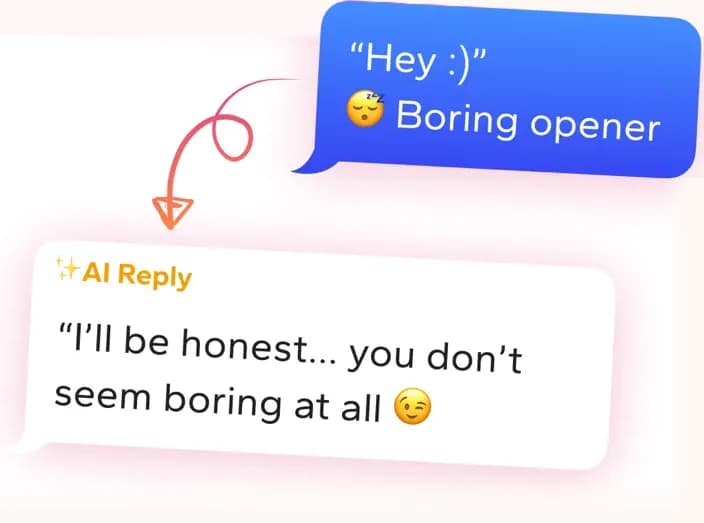
Get replies that sound like you
Screenshot the conversation in WingAI. It reads the vibe and gives you natural replies for this exact situation.
Try for freeRizz AI Screenshot the chat and get the next message for this person.
What the silence or short replies really mean
After a fight, how your partner responds (or doesn't) tells you what they need next. A one-word answer or hours of no response usually means they need time to cool down, not another message from you. Anger that's still hot needs air to breathe.
If they send something brief and factual, they're signaling they're not ready for a big conversation yet. If they're being cold or sarcastic, they're protecting themselves because the hurt is fresh. None of this means they've decided to leave or that you've blown it. It means the fight is still alive and needs to settle before anything you say will land right.
The two moves that actually reset the conversation
First, take your part. Not a hypothetical apology like "I'm sorry you feel that way," but something specific. You raised your voice. You dismissed what they said. You brought up something from two years ago. Name the actual thing you did and own it without conditions.
Second, give them space to respond on their timeline. Don't ask when you can talk or demand a reply. Let them know you're there without making it their job to fix this right now. This combination, specific apology plus real space, is what makes your partner feel heard instead of attacked again.
Wait through the hard hours, then know when to move on
Don't send your first message within an hour of the fight ending. Let at least a few hours pass so you're not still in reaction mode. If they don't respond in the first day, one follow-up is fine. Make it brief. If there's still nothing by day two, stop messaging. You've done your part.
If they come back with their own apology or willingness to talk, meet that. If they stay quiet for days, that's information too. It might mean they need more time, or it might mean the relationship needs a different kind of conversation. Knowing when to stop chasing a response is as important as knowing when to send one.
Why these replies fail
“look i wasn't trying to hurt you but you were being unreasonable and if you had just listened to me instead of getting defensive none of this would have happened”
It flips blame back to them and explains why you were right, which makes your apology feel like an attack disguised as sorry.
“i love you so much and i hate fighting with you. you mean the world to me and i never want to hurt you”
It's about your feelings instead of what you actually did wrong, so it makes them comfort you instead of feeling heard.
“[sent at 2:47am] ok i've been thinking about this all night and here's what i think happened...”
Late-night messages signal you're spiraling, not reflecting, and long explanations restart the fight instead of pausing it.
Common mistakes
- Over-explaining or defending your side instead of owning your part in the conflict
- Sending a long apology immediately while emotions are still hot
- Going silent for days because you're waiting for them to reach out first
- Treating the text like a negotiation to settle the fight right now
- Being vague or cute to dodge the actual issue
Questions people ask
- How long should I wait before texting after a big fight?
- Wait at least 3-4 hours so you're both out of the heated moment. If you're still angry or writing long explanations, wait longer. A message sent when you're calmer lands completely different than one sent while you're still mad.
- What if I text and they don't respond for hours or a day?
- That's normal. They're processing or they need more time. Send one brief follow-up if you want, then stop. Don't keep messaging hoping for a response. Repeated texts feel like pressure, not care.
- Should I apologize first or wait for them to?
- If you know you were wrong about your part, go first. You don't have to apologize for everything or take blame that isn't yours. But owning what you did without waiting for them to do it first usually moves things faster.
- Is it better to text or have the conversation in person?
- Text to reset the tone and show you're thinking clearly. But the real conversation about what happened should happen face to face or on a call. Text is the bridge back to talking, not the place to solve it all.
What people say after using WingAI
“I was skeptical at first. Then I tried it on a dry chat and the replies actually sounded like me, not a chatbot.”
Mazoonx
“I overthink every text. Having three options and picking the one that sounds like me cut that spiral short.”
Sam R.
“I always freeze on the first sentence. This gets me past that blank box so I actually hit send.”
joejoe4567
Get replies that sound like you
Screenshot the conversation in WingAI. It reads the vibe and gives you natural replies for this exact situation.
Try for free