How to respond to an apology when you're still hurt
Respond to an apology that doesn't fully land. Stay honest about your hurt while leaving room for real change.
When someone apologizes but you're still hurt, you're stuck between two bad moves. You can pretend it's fine and let resentment build. Or you can lash out and close the door. Neither one works.
A good reply in this spot is harder. It acknowledges the apology so they know you heard it. It also tells the truth about where you actually are emotionally. You don't need to punish them or accept something that doesn't feel real yet.
The goal is honesty without hostility. You're not looking for the perfect words. You're looking to say, 'I hear you, and I'm still processing this.'
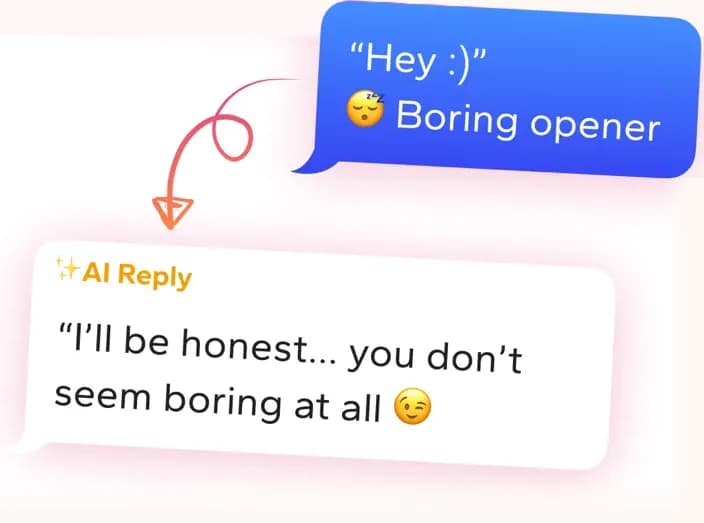
Get replies that sound like you
Screenshot the conversation in WingAI. It reads the vibe and gives you natural replies for this exact situation.
Try for freeRizz AI Screenshot the chat and get the next message for this person.
The difference between apology and repair
An apology is words. Repair is what happens next. When you're still hurt after they apologize, it usually means the apology didn't actually address what broke, or you need to see some different behavior before the words land.
Pay attention to what they apologized for. Did they apologize for the thing that actually hurt you, or for you being upset? Did they own a specific action, or just say sorry in general? Your hurt is telling you whether they understood the real problem. A response that only matches their apology level will feel incomplete.
Stay clear about your emotional state, not their intentions
The move here is to separate two things. What happened, and whether you're ready to move past it. You can believe they're sorry. You can also still be hurt. These aren't contradictory.
Your reply works when it reports where you actually are instead of judging where they are. Don't tell them they're not sorry enough or that they didn't mean it. Instead, say something true about you. 'I appreciate that, and I'm not there yet' is different from 'You clearly don't care.' One opens a door. The other shuts it.
Give it a day before you answer
Don't reply while you're still hot. Your hurt right now is valid, but it's also loud. Wait until you can actually think. If it's been hours and you're still churning on it, wait overnight. A good response usually comes after the anger cools enough to see what you actually want to happen next.
When you do respond, send it during the day. An emotional text at 11pm reads different than one at 10am. If they don't respond within 24 to 48 hours, that's information. People who care usually reply. If the conversation stalls, you get to decide whether silence is a dealbreaker for you.
Why these replies fail
“It's fine, don't worry about it. We're good.”
You're lying and they'll feel it. When you eventually show that you're not fine, they'll think you were dishonest from the start.
“I don't think you understand how much you hurt me. You always do this. If you really cared you wouldn't have said that.”
You've switched to prosecuting them instead of responding to their apology. This turns it into a fight instead of a chance to move forward.
“I need you to promise this will never happen again before I can forgive you.”
You're asking for guarantees before you've even decided if the relationship is worth continuing. This puts them in control of your timeline.
Common mistakes
- Saying it's okay when it isn't, then resenting them later for thinking the problem is solved
- Listing everything they did wrong instead of responding to what they actually said
- Asking for promises or guarantees of change before you've decided if you even want to try
- Going silent to punish them instead of giving a real answer
- Over-explaining your hurt in a way that feels like you're still arguing
Questions people ask
- What if I respond honestly and they get defensive?
- That tells you something important about whether they can actually handle accountability. You're not responsible for managing their reaction to the truth. If they push back on your honest feelings, you have your answer about what they're capable of.
- Should I explain all the ways they hurt me in my response?
- No. They either already know or you'll have another conversation about it. Right now you're responding to their apology, not re-litigating the whole thing. Keep it focused on whether their words actually landed with you.
- How long should I wait before deciding if I can forgive them?
- There's no timeline. Forgiveness usually comes after you see different behavior, not right after words. You can accept an apology and still need time. Tell them that. 'I hear you and I'm still hurt, but I'm not closing the door.'
- What if I'm not sure how I feel yet?
- Say that. Uncertainty is honest. 'I appreciate the apology. I'm not sure what I'm feeling yet' gives both of you room to breathe. You don't need to know your final answer right now.
What people say after using WingAI
“I was skeptical at first. Then I tried it on a dry chat and the replies actually sounded like me, not a chatbot.”
Mazoonx
“I overthink every text. Having three options and picking the one that sounds like me cut that spiral short.”
Sam R.
“She went cold mid-week and I had no idea what to say. The reply I sent felt natural and she picked the chat back up.”
Marcus T.
Get replies that sound like you
Screenshot the conversation in WingAI. It reads the vibe and gives you natural replies for this exact situation.
Try for free