How to reply to 'I like your voice'
Someone told you they like your voice. Here is how to reply so the compliment lands, the conversation keeps going, and you avoid the awkward deflections.
When someone says they like your voice, they have usually just heard it for the first time, on a call, a voice note, or a video. The compliment often arrives while they are still reacting to the sound, which means it can be slightly unguarded. They may also feel a little exposed for saying it, because a comment about someone's voice is more intimate than one about a photo. A flat or jokey reply can leave them wondering whether they overstepped.
Your aim is to let them know the compliment registered without turning the chat into a long discussion about your vocal cords. You are trying to show warmth, keep things light, and give them an easy next step. That might mean saying what you noticed about their reaction, being curious about what caught their ear, or mentioning something about the call itself. Pairing a short thanks with a specific follow-up does far more than a thanks on its own.
Timing and format matter here. If the compliment came by text right after a call, a reply within a few hours feels natural, and the memory of the conversation is still fresh for both of you. If it arrived in a voice note, answering with a voice note of your own is often the better move, since it lets them hear you respond to the very thing they praised. A long, polished paragraph typed back can feel oddly formal for a comment about sound.
Several things tend to backfire. Arguing with the compliment, listing what you dislike about your voice, or explaining that you sound different on recordings all make the other person do reassurance work they never signed up for. Overshooting is a problem too. Answering a simple voice comment with heavy flirtation or a flood of compliments back can feel like pressure. Copying their compliment word for word, especially if you have not heard them speak, rings hollow immediately.
To read how it went, look at what they do next. A reply that picks up your follow-up, adds a detail about what they liked, or suggests another call shows the exchange landed well. Short, delayed answers that ignore your question suggest they said it in passing and have moved on. A single quiet stretch is not a verdict. People get busy, and one slow reply says very little. Look for a pattern across a few exchanges before deciding how interested they are.
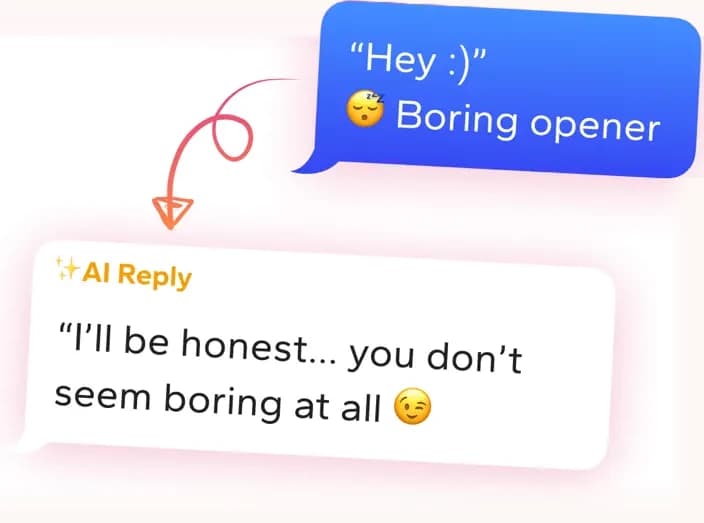
Get replies that sound like you
Screenshot the conversation in WingAI. It reads the vibe and gives you natural replies for this exact situation.
Try for freeMatching their channel and timing
Reply in the same format they used where you can. A compliment sent as a text after a call suits a written answer sent the same day, ideally within a few hours. A compliment that came as a voice note invites a voice note back, even a short one, because it lets them hear you react to what they praised. If you only text, keep it brief and warm. Late-night messages can read as more intimate than the same words sent at lunch, so think about the tone you want. If you were mid-conversation when they said it, answer in that thread rather than starting a new one.
Pointing to what they heard
A voice compliment is often about something concrete: an accent, a calm pace, a laugh, the way you tell a story. Your reply lands better when you show curiosity about that detail. Asking what stood out gets you real information and invites them to say more. If you already know why people comment on your voice, such as growing up somewhere with a distinct accent, you can mention it briefly. Keep it short. One small detail gives them something to react to without turning the reply into a monologue about yourself.
Handling self-consciousness without spilling it
Plenty of people dislike the sound of their own recorded voice, and that discomfort can leak into a reply. If you feel it, notice the urge to hedge and skip the hedge. Saying you hate how you sound hands them a job they did not ask for. You can feel awkward and still answer with a plain thank you and a question. If you want to acknowledge the shyness, a light touch, one short phrase, is enough. Then move on to something about them or the call.
Why these replies fail
“Haha thanks”
It treats a personal comment about your voice like a throwaway line, so the person who said it feels slightly foolish and has nothing to respond to.
“Really? I think I sound awful on recordings”
You are disputing the compliment right after they said something vulnerable, which pushes them into reassuring you instead of continuing the chat.
“Thanks, you must be great at hearing things, what's your favourite movie?”
The forced joke and sudden topic change ignore what they just shared about how you sound, so the moment they created goes nowhere.
Common mistakes
- Explaining why they must be wrong about your voice, which turns a pleasant moment into a reassurance exercise.
- Sending a long paragraph in reply to a short compliment, which makes the answer feel heavier than the comment deserved.
- Returning the compliment about a voice you have never heard, which reads as automatic politeness rather than interest.
Questions people ask
- What does it mean when someone says I like your voice?
- It means your voice stood out to them in a good way, usually after a call or voice note. It is a warm compliment and often a sign they enjoyed the interaction. It does not guarantee romantic interest, so watch how they act in the following messages.
- Should I compliment their voice back?
- Only if you have actually heard it. Praising a voice you have not heard sounds like a copied reply and weakens the exchange. If you have not spoken yet, you can say you would like to hear it, or mention something specific you enjoy about how they write.
- How soon should I reply to a voice compliment?
- Within a few hours is a good target, though same day is fine. Replying quickly keeps the memory of the call fresh and shows the compliment mattered to you. A slower answer is not a disaster, but a long silence can leave them wondering how it landed.
- What if I do not like my own voice?
- Accept the compliment anyway. Most people dislike their recorded voice because it sounds different from what they hear in their own head, and the listener rarely shares that reaction. Say thanks, ask what they noticed, and keep your self-criticism out of the reply.
What users say
“I was skeptical at first. Then I tried it on a dry chat and the replies actually sounded like me, not a chatbot.”
Mazoonx
“I overthink every text. Having three options and picking the one that sounds like me cut that spiral short.”
Sam R.
“She went cold mid-week and I had no idea what to say. The reply I sent felt natural and she picked the chat back up.”
Marcus T.
“I'm busy and half the profiles give you almost nothing to work with. WingAI gets me a solid first line fast without me staring at the screen for ten minutes.”
Ralph
Get replies that sound like you
Screenshot the conversation in WingAI. It reads the vibe and gives you natural replies for this exact situation.
Try for free