How to reassure your partner over text when they're feeling insecure
Learn to give real reassurance via text when your partner doubts the relationship. Specific moves that actually land.
When your partner texts something that signals doubt, anxiety, or insecurity about where you stand, a weak reply can make it worse. They might be worried you're pulling away, unsure if you still care, or spiraling about something small. Text reassurance is hard because tone dies in translation and a generic 'I love you' feels like you're just trying to end the conversation.
Good reassurance replies do two things at once. They name the specific thing your partner is worried about so they know you actually read them, not just scanned. And they give a concrete reason why that worry doesn't hold up, not just 'don't worry' platitudes.
The timing and follow-up matter as much as the message itself. Reassurance that takes three hours to land feels colder than reassurance that's there when they need it. If they don't reply, that's information too, and it usually means you landed it.
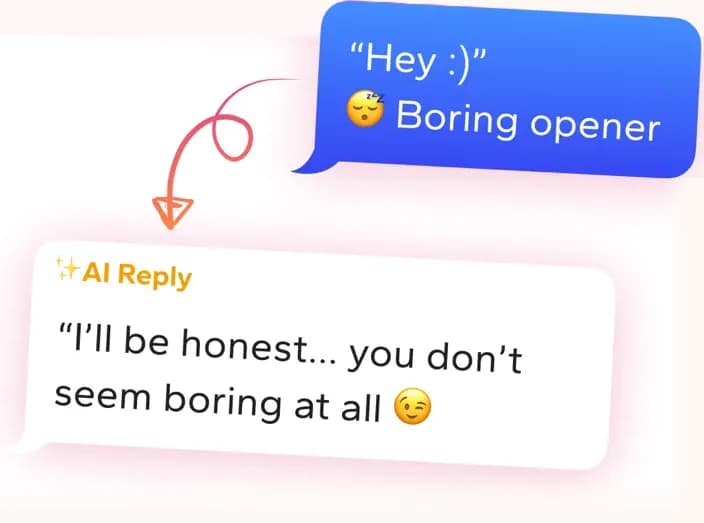
Get replies that sound like you
Screenshot the conversation in WingAI. It reads the vibe and gives you natural replies for this exact situation.
Try for freeRizz AI Screenshot the chat and get the next message for this person.
The difference between checking out and being busy
When your partner says you're going through the motions or seem annoyed, they're not usually mad about one text. They're picking up on a pattern they're reading into. Maybe you've been shorter than usual. Maybe you replied slower. Maybe a date got pushed back. The insecurity sits somewhere between noticing a real change and catastrophizing it.
Your job is to figure out what they actually noticed, not what you think they should be worried about. If you were actually distant, say so and name it. If you were just swamped at work, that's the thing to address. If nothing actually changed and they're spiraling on their own, don't pretend the feeling isn't real, but show them the evidence they missed.
Naming the fear plus the counter-evidence
A reassurance reply that works does two moves in sequence. First, acknowledge exactly what they're afraid of in your own words, so they feel heard and not dismissed. Don't skip this or jump to defending yourself. Then give them something concrete and recent that contradicts that fear. A specific moment. A plan you made. Something you said. Text reassurance without specifics reads like you're just pacifying them.
If they say you're going through the motions, you might name that you understand why it feels that way given X, and then point to Y from this week that shows you're still in it. The counter-evidence can't be old. It can't be your good intentions. It has to be real and recent.
Speed matters more than length when someone is spiraling
If your partner is texting insecurity at 8pm, a three-paragraph response at 11pm doesn't help as much as a thoughtful two-sentence one that arrives within 20 minutes. Reassurance is partly about proving you're present and thinking about them, not just your phone dying. A fast reply also stops the spiral from getting worse in the time you take to craft something perfect.
If you can't reply fast, say so. 'In a meeting, but I read this. Let me call you at 6' is better than silence that lets their brain run wild. If they go quiet after you reassure them, don't keep pushing. They probably feel better and don't need more. If they come back with a new angle of the same worry hours later, that's the sign to have a real conversation instead of texting it out.
Why these replies fail
“I'm not annoyed with you at all, I promise. I love you.”
It's purely defensive and doesn't address the actual pattern they felt, so it reads like you didn't really listen to why they were worried.
“You're overthinking this again. Everything is fine. Stop doubting me.”
It turns their insecurity into a character flaw instead of taking their worry seriously, which makes them feel unheard and often more anxious.
“I've been swamped with work but that has nothing to do with how I feel about you. You mean everything to me and I hate that you're doubting us. I'm going to be better about staying in touch.”
It's defensive and generic instead of naming one concrete thing you did recently that proves the connection, so it still feels like you're just saying the right words.
Common mistakes
- Replying with 'I'm not annoyed' without addressing what specifically made them feel that way
- Turning it back on them ('you're overthinking this') instead of taking the worry seriously
- Waiting hours to respond when insecurity usually needs fast answers
- Writing long essays that feel like you're defending yourself rather than comforting them
- Being vague about your feelings instead of pointing to concrete recent moments
Questions people ask
- Should I reassure them immediately or give them space to sit with their feelings?
- Reassure them immediately if they reached out. Silence will make them spiral more. Space only makes sense if they didn't ask for anything. If they texted you the insecurity, they're asking you to respond, not to give them time to think.
- What if I actually was being distant and they're right?
- Name it directly. 'You're right, I have been weird this week. It's about X with work, not about us. I'm going to be more present.' The apology lands better than reassurance when the worry has merit. Then actually follow through.
- How do I tell if they need reassurance or just want to vent?
- If they're stating their fear as a question or worry, they want reassurance. If they're venting about their own anxiety or overthinking, you can validate and ask if they want you to counterpoint or just listen. Most insecurity texts want both.
- Is it bad to reassure someone who keeps asking for reassurance?
- Reassurance itself isn't bad. But if they're asking every few days for the same worry, you need an in-person conversation, not more texts. Constant reassurance seeking usually signals something bigger that texts can't fix.
What people say after using WingAI
“She went cold mid-week and I had no idea what to say. The reply I sent felt natural and she picked the chat back up.”
Marcus T.
“I overthink every text. Having three options and picking the one that sounds like me cut that spiral short.”
Sam R.
“I was skeptical at first. Then I tried it on a dry chat and the replies actually sounded like me, not a chatbot.”
Mazoonx
Get replies that sound like you
Screenshot the conversation in WingAI. It reads the vibe and gives you natural replies for this exact situation.
Try for free