Get to know someone through text by asking the right questions
Learn how to get to know someone through text by asking specific, curious questions that build on what they've told you, so replies get longer and warmer.
When you text someone you're still getting to know, they are usually doing a quiet calculation. Is this person curious about me, or just filling a slot in a routine? Short replies often come from that uncertainty, not from disinterest. A question that could be sent to anyone gets an answer that could be given to anyone. A question built from something they've said gives them a reason to relax and say more.
Your aim is to learn how they think, what they care about, and how they talk when they aren't performing. That takes material. Listen for the throwaway details: the trip they mentioned twice, the job they complain about with a smile, the hobby they downplay. Those loose threads are far better than a prepared list of topics. A good question picks one thread and asks about the story behind it, the reason they started, or the part they'd change.
Text changes the rhythm of all this. There's no face to read, no laugh to confirm you meant it kindly, and replies arrive when someone has a spare minute between other things. A long, heavy question landing mid-commute feels like homework. Something light and specific can be answered from a phone in one hand. Timing matters too. Evenings and weekends tend to give people room to write back with some thought, while a question fired at midday often gets a quick, shallow answer.
Plenty of attempts go sideways in predictable ways. Stacking several questions in one message makes it feel like a form to fill out. Asking something big too early, like what they want from life, puts pressure on a person who barely knows you. Going silent about yourself is another trap. If you only ask and never offer, the exchange tilts toward an interview, and people get guarded when they feel examined. Sharing a small detail of your own, even a mild opinion, makes it safe for them to do the same.
Watch how they reply, not just whether they do. Longer messages, new details you didn't ask for, and questions sent back to you all mean the topic landed. Brief answers that stay flat across different subjects suggest they may not want a long text exchange right now. That's fine to accept. Moving the conversation to a call or a plan sometimes works better than trying to coax paragraphs out of someone who prefers talking out loud.
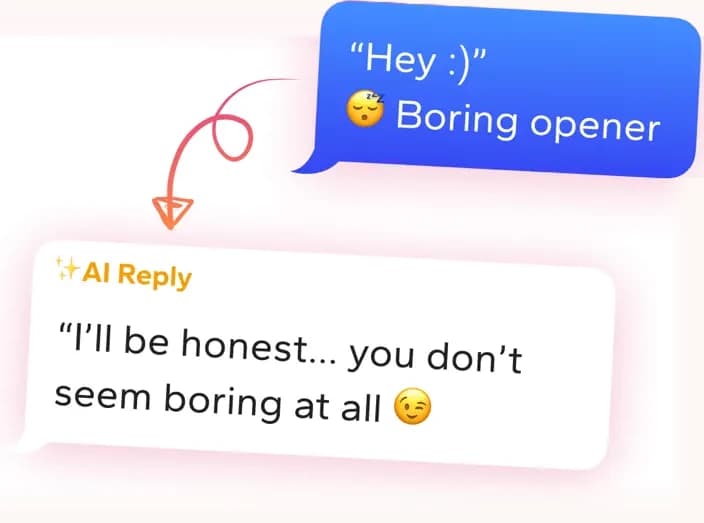
Get replies that sound like you
Screenshot the conversation in WingAI. It reads the vibe and gives you natural replies for this exact situation.
Try for freeTurn a passing detail into a question
People drop small facts all the time and rarely notice. Maybe they mentioned a brother who lives abroad, a half-finished woodworking project, or a band they saw years ago. Pick one and ask about the human part of it. What got them into it, what the best moment was, what they'd do differently. That kind of question is easy to answer because they already know the story. It also proves you were paying attention, which is rare enough to stand out. Avoid asking them to explain the whole subject from scratch. A person who built a bookshelf doesn't want a lecture request, but they'd happily tell you about the wobbly first attempt.
Match the weight of the moment
A question's size should fit the stage of the conversation. In the first few days, ask about things that are fun to describe: a place they loved, a food they'd defend, a habit they can't shake. Save questions about family, ambition, or past relationships for after you've traded a good number of easy messages and they've started volunteering personal detail themselves. If they answer a lighter question with a surprisingly open reply, that's your permission to go slightly deeper. If they answer with a joke or a deflection, stay playful for a while longer. Pushing past that boundary feels intrusive, and it's hard to recover from.
Give something back in each message
Interviews feel one-sided because only one person is exposed. After they answer, respond to what they said first. React to the detail, tell a quick related story or opinion of your own, then ask your next question if it fits. This takes a few extra seconds but changes how the exchange feels. They learn about you while you learn about them, and the conversation stops resembling a quiz. It also gives them something to react to, which is often easier than answering cold. If your reply is only a new question, you've taken what they offered and handed nothing back.
Why these replies fail
“What's your favorite food? What do you do for fun? Do you have siblings? Where do you work?”
Four unconnected questions in one text read like an intake form, so the person has no natural place to start and usually answers the easiest one.
“So what's your deepest fear and what do you want out of life?”
Asking something this heavy of someone you've barely texted forces a guarded, rehearsed answer instead of a real one.
“Cool. And you? Tell me about yourself.”
After they shared a specific detail, this ignores it and hands back an enormous open prompt, which tells them their answer wasn't worth responding to.
Common mistakes
- Asking about something they said weeks ago as if it were new, which suggests you weren't listening the first time.
- Sending a long list of questions late at night when they're likely winding down and unlikely to write a thoughtful answer.
- Treating a short reply as a puzzle to solve with cleverer questions instead of reading it as information about their mood or interest.
Questions people ask
- What are good questions to get to know someone over text?
- The best ones come from something they've already mentioned, like a trip, a hobby, or a frustration at work. Ask about the story behind it rather than the fact. Questions tied to their own details feel personal, so people answer with more than a few words.
- How many questions should I ask in a row?
- Usually one main question per message, sometimes with a short follow-up that belongs to it. Piling on more makes the text feel like an interview. Respond to what they said, share a bit about yourself, and let the next question come out of the flow.
- What if they answer but never ask me anything back?
- Keep answering their replies naturally and offer a little about yourself so there's something to ask about. Some people simply aren't question askers, especially early on. If a few exchanges pass with zero curiosity from them, match their effort instead of carrying the whole conversation.
- When should I stop texting and suggest a call or meetup?
- When the conversation has a comfortable back and forth and they're sharing details unprompted, that's a good time. It's also sensible if answers stay short no matter the topic. Some people connect better by voice or in person, and suggesting it respects that.
What users say
“I was skeptical at first. Then I tried it on a dry chat and the replies actually sounded like me, not a chatbot.”
Mazoonx
“I overthink every text. Having three options and picking the one that sounds like me cut that spiral short.”
Sam R.
“Used it for a couple hours and set up a date the same night. Not even kidding.”
Nikola2214
Get replies that sound like you
Screenshot the conversation in WingAI. It reads the vibe and gives you natural replies for this exact situation.
Try for free