How to text someone who's upset without making it worse
Get a reply you can send tonight, without overthinking it.
Support upset people over text by validating their feelings, avoiding fixes, and knowing when to step back. Practical moves that actually help.
When someone texts you upset, they're signaling they trust you enough to let you in. The instinct to solve it or cheer them up usually backfires. Good support over text does one thing: it makes them feel less alone without pressuring them to feel better right now.
The mistakes happen fast. You either go into problem-solving mode (which makes them feel unheard), or you disappear (which feels like rejection). A solid reply sits in the middle. It says 'I see this is real and I'm here' without demanding they perform recovery or give you all the details.
Timing and tone matter more than length. A short message sent quickly shows you actually read it. A long message hours later can feel like you were processing their emotions instead of thinking about theirs.
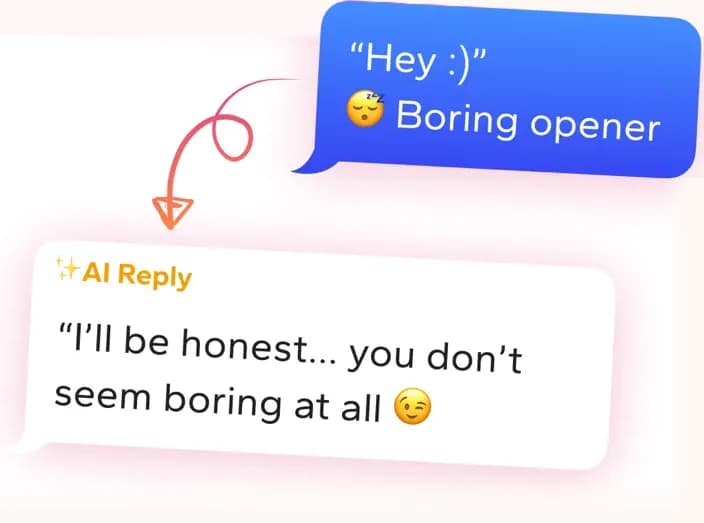
Your reply for this exact chat, tonight, in your own words
Take the 2-minute quiz. WingAI learns how you text and writes replies that sound like you, not like AI.
“I was skeptical at first. Then I tried it on a dry chat and the replies actually sounded like me, not a chatbot.”
First week free. Cancel anytime.
Upset people text differently than they talk
When someone's upset, the text is usually immediate and raw. Look for what they're actually naming: the feeling, not just the facts. 'I feel humiliated' is different from 'my boss was mean.' One is about their internal state. That's where you reply to.
Notice what they didn't ask for. They didn't ask 'what should I do?' or 'do you think he meant it?' They're venting, not seeking solutions. The longer you read their message as a problem to solve, the longer they'll feel unheard. They're telling you how they feel right now.
Name the feeling, then give space
A good reply does two things at once. First, it acknowledges what they just told you about their emotional state (not the situation, their reaction to it). Second, it doesn't demand they get over it or explain more. You're saying 'I see you're hurting and I'm not going anywhere,' then you stop.
This looks like a short reply that reflects back what you heard, leaves room for them to say more or not, and doesn't ask them to comfort you back. Avoid words that soften the feeling ('at least,' 'but,' 'hopefully'). Just sit with it for a moment.
Send it fast, then wait longer than you think
Reply within an hour or two. Delay reads as avoidance. But once you've sent a real message, don't follow up with another one for at least a day unless they text you. They might need space to process. They might need to vent to someone else. They might be okay by morning. Your job is not to manage their mood.
If they don't respond after a day, one light check-in is fine: a simple 'thinking of you' or 'how are you feeling now?' After that, let them reach out. If this pattern repeats (upset text, you support, they go silent), that's a separate conversation for when they're not upset.
Why these replies fail
“Ugh that's so unfair. He's such an ass. Honestly you're way better than that job anyway”
It pivots to criticizing the boss and the job instead of staying with their feeling, and jumps to a conclusion they didn't ask you to make
“Oh no, I'm so sorry. That happened to me once and I was devastated. It took me like three weeks to get over it. Tell me everything that happened”
Makes their upset about your experience and interrogates them instead of giving them space
“You know, he probably didn't mean it the way it sounded. People say things in the moment. I'm sure he respects you”
Minimizes their feeling by reframing the boss's intent, which they don't need right now
Common mistakes
- Jumping to 'at least' or 'look on the bright side' (they didn't ask for perspective, they asked to be heard)
- Over-explaining why the boss is actually wrong (feels like you're arguing instead of listening)
- Going silent because you don't know what to say (absence reads as you not caring)
- Turning it into your own story about a time you were embarrassed (steals their moment)
- Asking ten follow-up questions at once (feels like an interrogation, not support)
Questions people ask
- What if I actually don't know how to help them?
- You don't have to fix it. Just say you see they're upset and you're there. 'That sounds really hard' or 'I'm sorry you're dealing with that' works. The support is in the acknowledgment, not in solutions.
- Should I ask them what they want from me?
- Not when they're in the moment of venting. If they reply and keep talking, keep listening. If they go quiet, one low-key check-in the next day is enough. Let them tell you if they need something specific.
- How long should my reply be?
- Keep it short. Two or three sentences that show you heard them. Longer messages can feel overwhelming when someone's already overwhelmed. You're checking in, not writing a response.
- Is it okay to ask for more details?
- Not in the first reply. Let them drive that. If they want to unpack it, they'll send more. If they don't, respect that. Asking questions can feel like you're collecting information instead of supporting them.
It doesn't sound like a bot
“I always freeze on the first sentence. This gets me past that blank box so I actually hit send.”
joejoe4567
“Used it for a couple hours and set up a date the same night. Not even kidding.”
Nikola2214
“She went cold mid-week and I had no idea what to say. The reply I sent felt natural and she picked the chat back up.”
Marcus T.
Your reply for this exact chat, tonight, in your own words
Take the 2-minute quiz. WingAI learns how you text and writes replies that sound like you, not like AI.
Try for freeFirst week free. Cancel anytime.