How often should you text someone you're dating
Texting frequency in relationships depends on attachment styles and expectations. Learn what's normal and how to match her pace without playing games.
There's no universal rule for texting frequency in a relationship. Early dating, established relationships, and long-distance situations all have different rhythms. What matters is that both people feel heard without either one feeling smothered or ignored.
The real signal isn't the number of texts per day. It's consistency. If she texts you three times a day for two weeks then goes silent, that's worth noticing. If she sends one message every morning and you reply with paragraphs, that's a mismatch you need to address.
Good replies to texting questions show you're self-aware enough to notice the pattern, flexible enough to adjust, and direct enough to say what you actually want instead of creating rules around it.
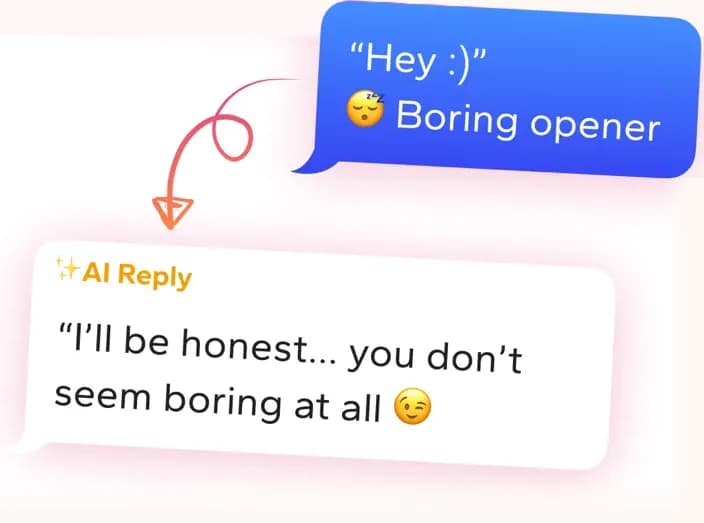
Get replies that sound like you
Screenshot the conversation in WingAI. It reads the vibe and gives you natural replies for this exact situation.
Try for freeRizz AI Screenshot the chat and get the next message for this person.
Morning and evening texters aren't incompatible
Some people text throughout the day. Others batch their messages twice daily. This is mostly about how their brain works and how much their job interrupts them, not about how much they like you.
The pattern you're seeing (morning message, evening silence) is actually common for people with busy middays or jobs that don't allow phone time. She initiated contact in the morning. She's engaging when she does text. That's the signal. If she were losing interest, she'd skip the morning message or give one-word replies.
Watch for consistency in her pattern, not frequency. Does she message you at roughly the same time each day? Does she keep conversations going or let them die? Those matter more than the raw count.
Match her pace without becoming invisible
Matching doesn't mean mirroring every text. It means your responsiveness fits the rhythm you've both created. If she sends a message every morning, replying that same morning works. If she sends longer messages once a day, sending her three short texts throughout the day creates pressure she didn't ask for.
The move is to reply within her timeframe (morning texts get morning replies, evening texts get evening replies) without forcing more volume. Keep your message roughly equal in length and depth to what she's sending. If she's asking questions, answer them. If she's sharing, engage with what she shared. This shows you're tracking her and meeting her where she is.
Bring it up directly if the pattern bothers you
If three weeks in you're feeling uncertain about texting pace, it's better to ask than to overthink it. You don't need to make it heavy. Something casual and direct works: mention that you've noticed a pattern and ask if it's her style or if she prefers something different.
This does two things. It gives you actual information instead of guessing. And it shows her you're paying attention and willing to talk about real stuff. If she says she's just busy midday but likes talking in the evening, you know exactly how to show up. If she's actually losing interest, this question gets you an honest answer faster than analyzing text patterns will.
Why these replies fail
“Yeah that's normal. Some people are just busy during the day. Don't worry about it.”
Dismisses his actual concern and doesn't address whether this particular pattern is a sign he should do something different.
“I'd say text her more to keep her interested. If you match her frequency she might think you're not that into it.”
This reverses the advice and encourages him to escalate volume, which usually creates neediness and pushes someone away.
“Three weeks in, texting once in the morning and once at night is perfect. Most people in relationships do this. You're overthinking.”
Makes a blanket rule about what's 'perfect' when the real question is about reading her specific behavior and matching his own comfort.
Common mistakes
- Matching her volume exactly instead of your actual availability, which feels fake and burns you out
- Assuming silence means disinterest without checking if she's just busy or has a different texting style
- Creating rigid rules ('I'll wait 3 hours to reply') that prevent you from being present when you actually want to talk
- Bringing up texting frequency as a complaint instead of a casual check-in about expectations
- Texting more to compensate for her slower pace, which often pushes her further away
Questions people ask
- Should I text back immediately or wait a bit?
- Reply within her timeframe. If she messages in the morning, reply in the morning. If she waits hours, you can wait hours. The delay should match the rhythm you've established together, not some invented game. Replying immediately every time can feel like pressure. Waiting hours when she's been quick to reply reads as indifference.
- Is it bad if we only text once or twice a day?
- No. Frequency depends on your relationship stage, jobs, and attachment style. Early dating often has more volume. Established relationships often slow down. What matters is that both people feel valued. If you're both satisfied with the pace, that's normal. If one person feels ignored, that's the real problem.
- What does it mean if she stops texting as much after a month?
- Usually means the honeymoon phase is cooling and settling into a realistic pace. People text more in the first few weeks. As things stabilize, frequency often naturally drops while depth might increase. Unless she went from consistent daily contact to complete silence, this is normal progression, not a sign she's lost interest.
- How do I know if I'm texting too much?
- Check if she's responding or asking follow-up questions. If your messages feel one-sided or she gives short replies, you're probably texting too much or too intensely. Cut back to her pace. If you're getting good back-and-forth, you're likely fine. Watch the ratio of you initiating versus her initiating, not just total volume.
What people say after using WingAI
“She went cold mid-week and I had no idea what to say. The reply I sent felt natural and she picked the chat back up.”
Marcus T.
“I was skeptical at first. Then I tried it on a dry chat and the replies actually sounded like me, not a chatbot.”
Mazoonx
“I overthink every text. Having three options and picking the one that sounds like me cut that spiral short.”
Sam R.
Get replies that sound like you
Screenshot the conversation in WingAI. It reads the vibe and gives you natural replies for this exact situation.
Try for free