How to reply when your girlfriend needs space and time to think
She asked for space and time to think. Here is how to answer in a way that honors the request, keeps you steady, and doesn't crowd her while she sorts it out.
A girlfriend who says she needs space and time to think is rarely asking for nothing in particular. Something is sitting unresolved, maybe a argument that never closed, a doubt she can't name yet, or pressure from work or family that has nothing to do with you. What she wants is room to hear her own thoughts without managing your reaction at the same time. Asking out loud was probably not easy, so how you take it will shape how safe she feels being honest with you later.
Your aim here is narrow. You want her to finish the text and feel relieved, not guilty. The reply should show that her request landed, that you are not wounded by it, and that she owns the clock from here. Anything that asks her to soothe you, explain herself, or agree to a follow-up date hands her a new task, and she asked for fewer tasks.
Timing matters more in text than people expect. A reply within a few hours reads as steady. A reply twenty minutes later, written while your pulse is up, tends to leak. If you feel hurt, scared, or annoyed, wait until the heat drops, then write something short enough that there is no room for those feelings to creep in. Silence from you for a day after she asks can look like sulking, so do not let it stretch too long either.
Most replies backfire in the same few ways. Long messages carry a lot of emotional freight, and she has to read all of it. Promises like "I'll be here no matter what" sound loving but quietly ask her to confirm the relationship is fine. Questions about what went wrong turn her request into an interrogation. And the sneaky one is the casual check-in a day later, a meme or a "how's your week" that is really "are you done thinking yet." She will see through it, and it tells her space is only available if she keeps paying for it.
After you send your reply, read whatever comes back for tone rather than content. A warm "thank you, I appreciate that" means she felt respected and the door is fine. A one word acknowledgment likely means she is still deep in her head, which is the point of the space. If she reaches out first, that is an invitation to talk, but match her pace and topic instead of treating it as the all clear. If days pass without a word, resist reading it as a verdict. Quiet is what you agreed to. Only after a long stretch, a week or two, is one calm message about where things stand reasonable.
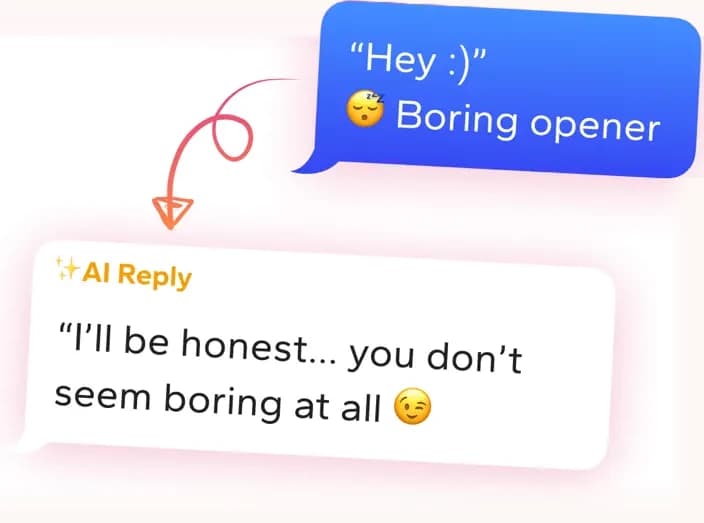
Get replies that sound like you
Screenshot the conversation in WingAI. It reads the vibe and gives you natural replies for this exact situation.
Try for freeAgree without adding conditions
The strongest reply is a clean yes. Name what she asked for in your own words so she knows you heard it, then confirm you will give it. Stop there. The moment you attach a condition, such as a day you will talk or a request that she tell you when she is ready, the yes becomes a negotiation. Even a soft "just let me know" puts a small obligation on her. You can care a great deal and still keep the message plain. Plain is what lets her relax. Read your draft and delete any sentence that would require her to answer it.
Handling the urge to ask why
Wanting to know what you did is natural, and the pull is strongest in the first hour after she asks. Resist sending it. A question about the reason tells her you need an explanation before you can give her the space, which is the opposite of what she asked for. If she wants to explain, she will, and she will do it better once she has had time to sort it out. Take the confusion to a friend or write it in a notes app instead. Your reply is not the place to process it, and she is not the person who should receive it right now.
Staying quiet without going cold
Giving space is different from vanishing into resentment. After your reply, live your normal life. See friends, go to the gym, keep your own routines. That steadiness is what she will remember if she comes back. Avoid posting things that look designed for her to notice, and avoid sending a thinking-of-you message dressed as something else. If she contacts you first, answer warmly and let her lead on how much to say. If a long stretch passes, one short message asking where things stand is fair, and then you accept whatever answer arrives, including silence.
Questions people ask
- How long should I wait before reaching out again?
- Let her contact you first. She set the request, so she sets the length. If a week or two passes with nothing and you truly need to know where you stand, send one calm message asking that. Whatever she answers, or doesn't, is information you can act on.
- Does her asking for space mean she wants to break up?
- Not necessarily. Some people ask for space and return clearer and more committed, while others use it to work toward leaving. The request alone doesn't tell you which. Predicting the outcome only feeds anxiety, so focus on the one thing she asked for.
- Should I apologize when I don't know what I did wrong?
- No. An apology for something unnamed reads as panic and can make her feel guilty for asking. Acknowledge the request and confirm you'll give her room. If she later tells you what upset her, that is the moment to respond to it directly.
- What if she asks for space but then texts me first?
- Answer what she actually sends. If she starts a conversation, it is fine to engage, warmly and at her pace. Don't treat it as permission to return to your usual daily texting, because she may still be thinking and has only reached out for something specific.
Why these replies fail
“Okay, I understand. I'm here for you whenever you're ready. Just know that I love you and I'm not going anywhere. Let me know if you want to talk tomorrow or this week.”
The declarations of love and the offer to talk soon ask her to reassure you right when she asked to stop managing the relationship.
“Fine. But I'm confused about what I did wrong. Can we at least talk for five minutes so I understand what you need space from?”
It turns her request into a problem she must solve on your schedule, and the "fine" shows you are hurt before she has said anything about the cause.
“I respect that you need time. I'll give you space, but I'll be thinking about you. Hope you figure things out soon.”
"Thinking about you" adds emotional weight and "soon" quietly hurries a process she said belongs to her.
Common mistakes
- Sending a long, emotional paragraph that explains your feelings, so she has to read and respond to your pain while trying to clear her own head.
- Checking in a day or two later with a casual message, which tells her the space only lasts as long as you can stand it.
- Replying instantly while hurt and letting sarcasm or a cold "fine" slip through, which makes her regret being honest about needing room.
- Treating her silence as a verdict and escalating with repeated messages, calls, or turning up where she is, instead of waiting out the time she asked for.
What users say
“I was skeptical at first. Then I tried it on a dry chat and the replies actually sounded like me, not a chatbot.”
Mazoonx
“She went cold mid-week and I had no idea what to say. The reply I sent felt natural and she picked the chat back up.”
Marcus T.
“I overthink every text. Having three options and picking the one that sounds like me cut that spiral short.”
Sam R.
Get replies that sound like you
Screenshot the conversation in WingAI. It reads the vibe and gives you natural replies for this exact situation.
Try for free